
A modern day gold rush has swept across the Sahel. In 2009, in the Jebel Marra mountains of Sudan, tens of thousands of young men rushed in with metal detectors, searching for gold said to be surfacing across the hillsides. From there, the movement spread westward: to Chad, then to Libya, Niger, Algeria, Mali and Mauritania, drawing in the country’s youth. Over the past fifteen years, hundreds of thousands of young men have taken part in what has become an unprecedented gold rush across the Sahara: a migration from east to west within a largely informal economy worth billions.
This rush has profoundly reshaped the geopolitical dynamics of the Sahara, generating conflict, new power structures and, often, disillusionment. Gold fuels the conflict in Sudan and supports the ruling military juntas in Burkina Faso, Mali and Niger. No state has been able to fully control or contain it. Other actors across the region, including traffickers, rebel groups and factions linked to global jihadist networks, have all become involved. At times, tensions erupt into violence: in 2022, more than one hundred men were killed in a single night at Kouri Bougoudi, on the Chad–Libya border
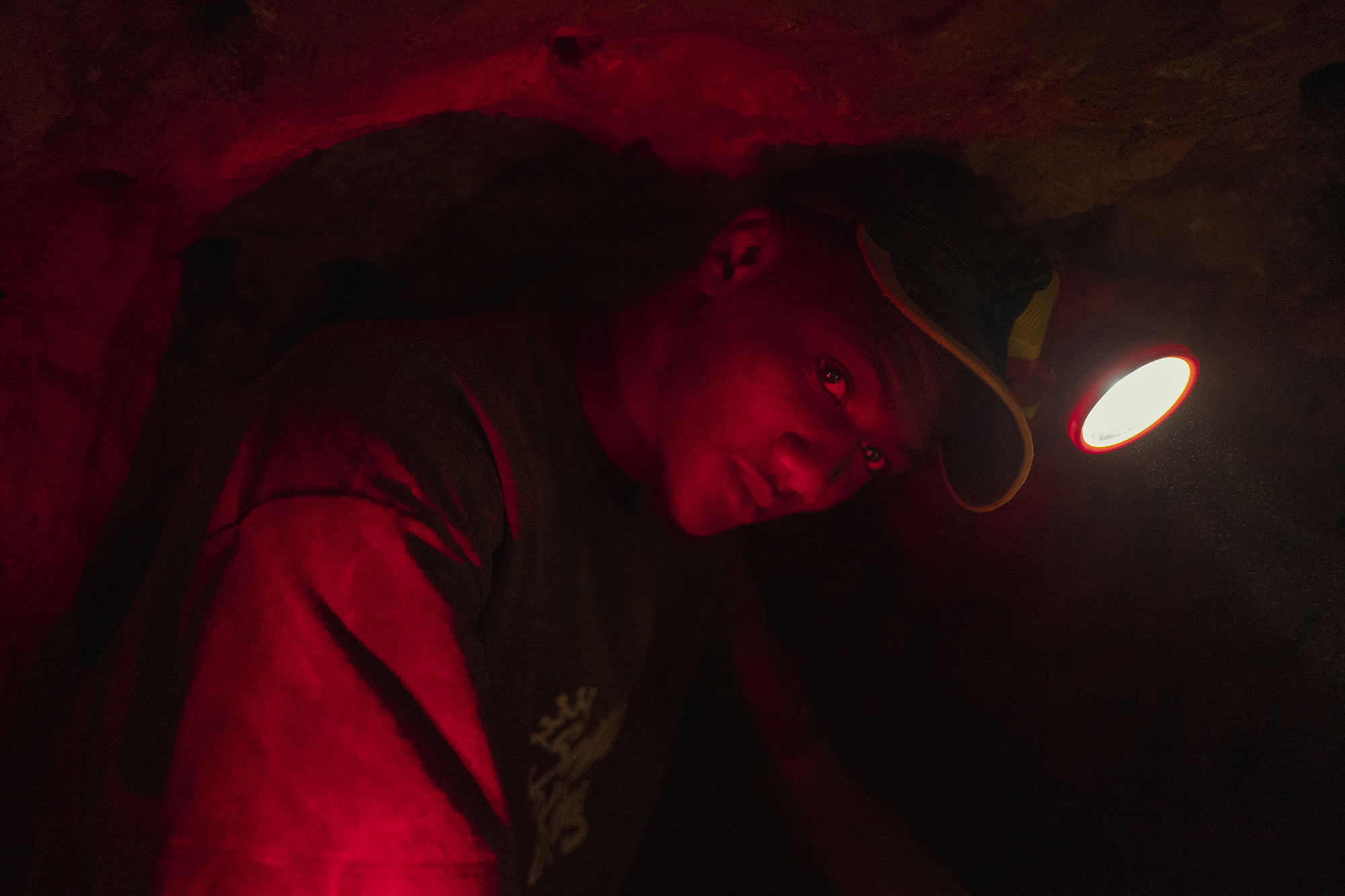
Tamaya, Mauritania — A gold digger poses for a photograph at the bottom of a shaft.
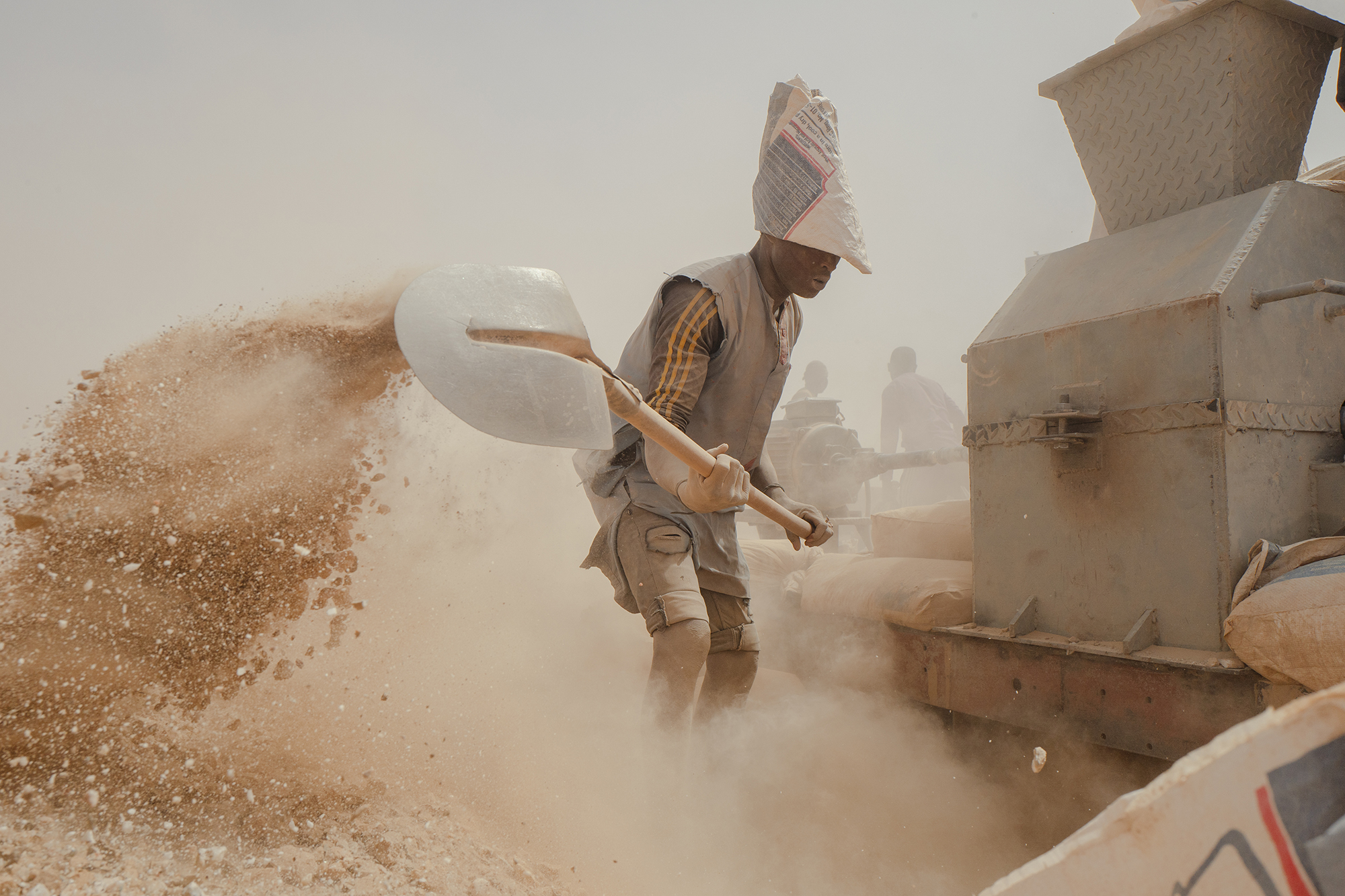
Arlit, Niger — A young man moves crushed rock at a processing centew where gold is chemically separated from the rock.
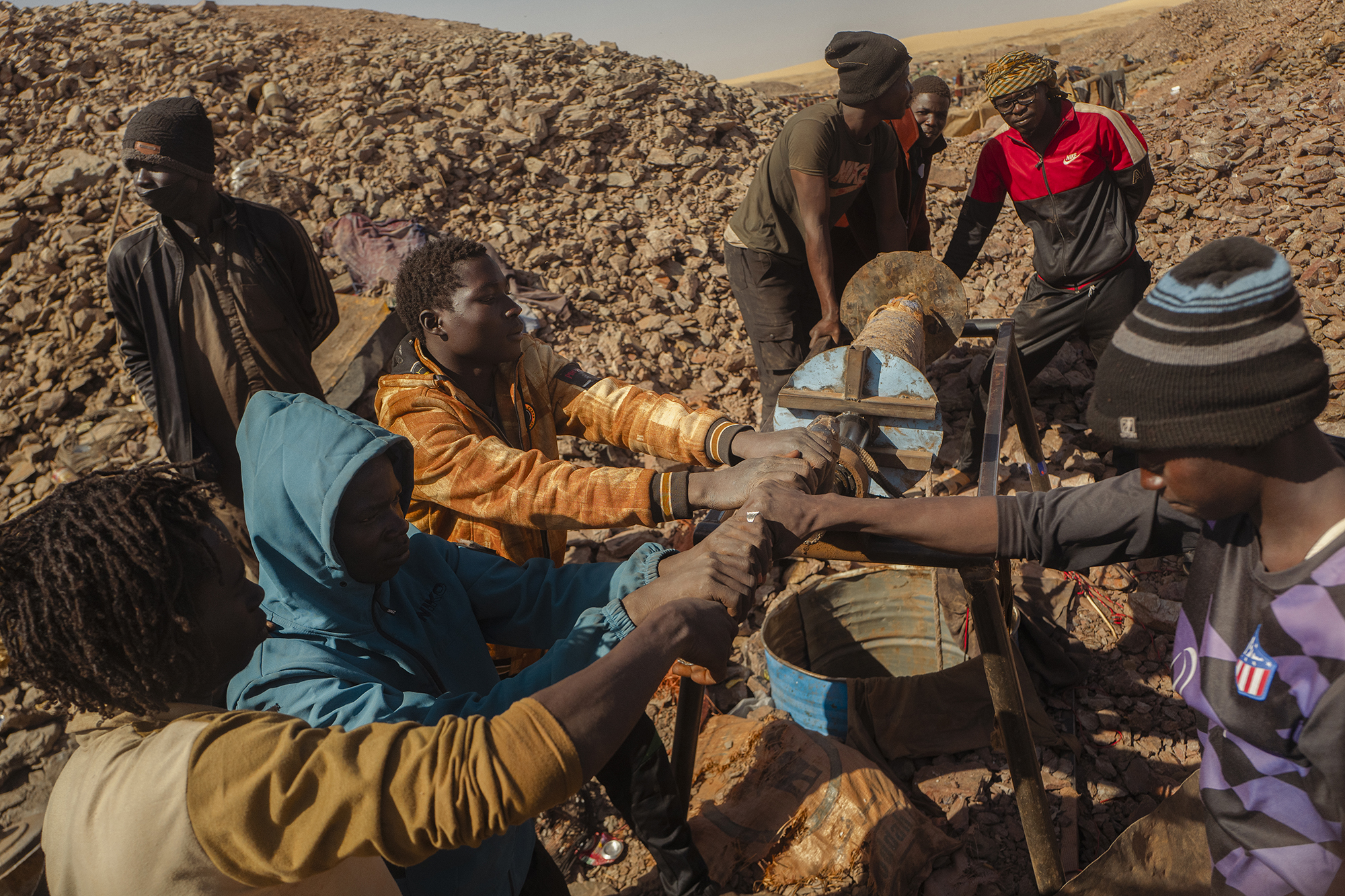
Kouri Bougoudi, Chad — Young miners lower a colleague into a shaft at an artisanal gold mining site.
Gold prospectors move across the desert following newly identified veins, driven by the hope of finding a nugget that could change the course of their lives. GPS coordinates and information on gold bearing depths are sold just as river maps were sold under the counter in the North American gold rushes of the 19th century. They miners operate in a regionwhere employment opportunities are scarce, while population growth continues to rise and economies struggle to absorb it.
At the far end of the global economic chain, they arrive in towns and camps that have emerged around gold. Informal economies take shape, structured by mining, trade and transport. Recruited to dig shafts or process rock, they are typically paid a share of the yield — often around one third — and descend to depths exceeding one hundred metres. Exposed to immense risks, realities of war, modern slavery, reprisals, disputes between shaft owners, and armed attacks their work is relentless: wealth lies underground, and global gold prices continue to rise.
Once extracted, rocks are carried to processing centres where gold is separated using mercury and cyanide, often without protective measures or waste management systems, contaminating both workers and the environment.
A significant share of the gold extracted leaves the continent through opaque and largely untraceable channels, notably towards the United Arab Emirates, which has become one of the world’s main hubs for artisanal gold trade.
Over four years, Michele Cattani travelled across the Sahara reaching the few gold mining sites which are still accessible to journalists, in Mauritania, Niger and Chad.
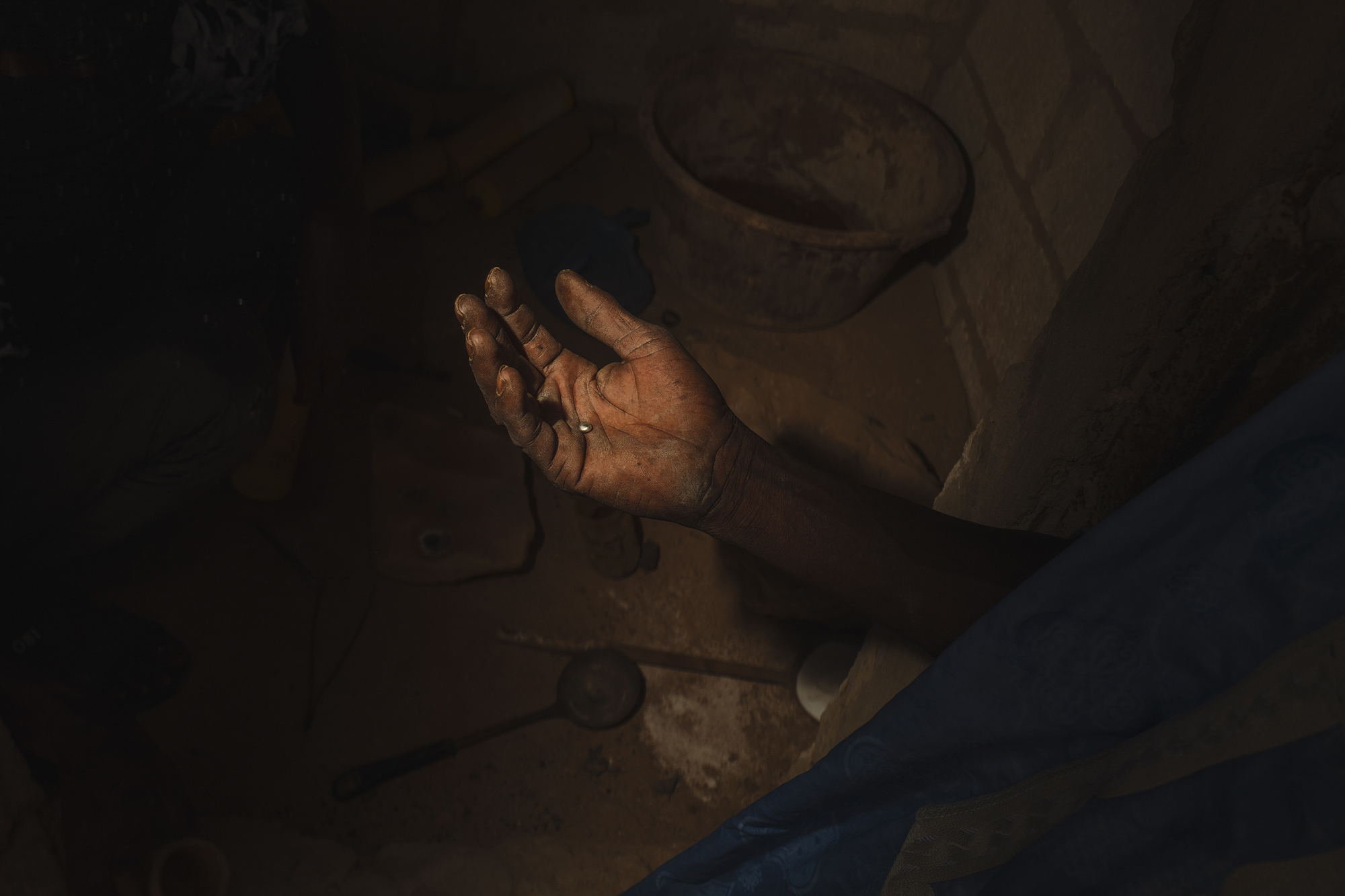
Chami, Mauritania — A man holds a small piece of gold in his hand.
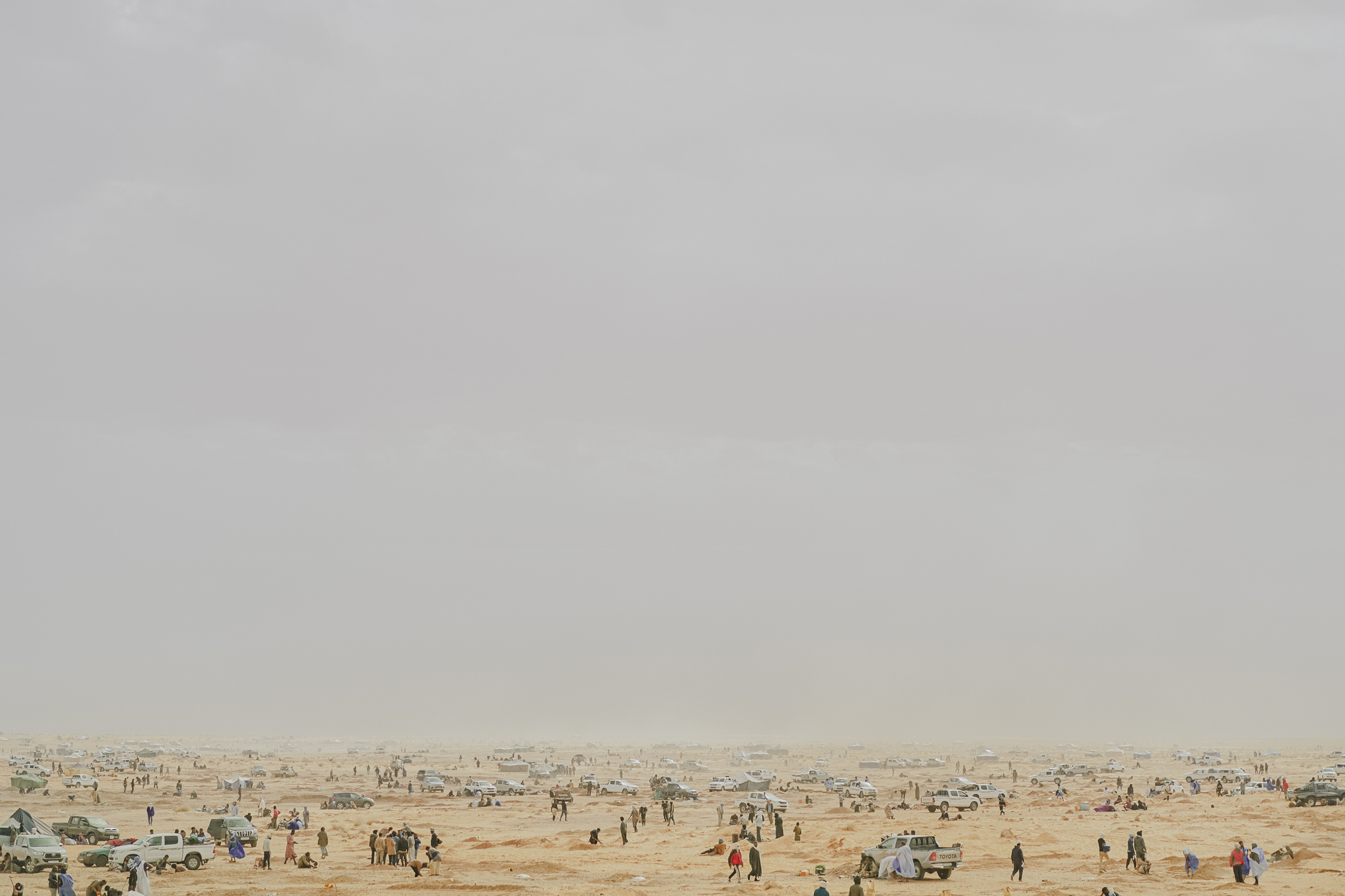
Tamaya, Mauritania — Gold prospectors arrive in large numbers the day after the site opens. The state mining company Maaden Mauritanie distrributed 16,000 passes which are only valid for Mauritanian citizens. However estimates by trade unions reckon that three times that number arrived boosted by foreign artisanal miners
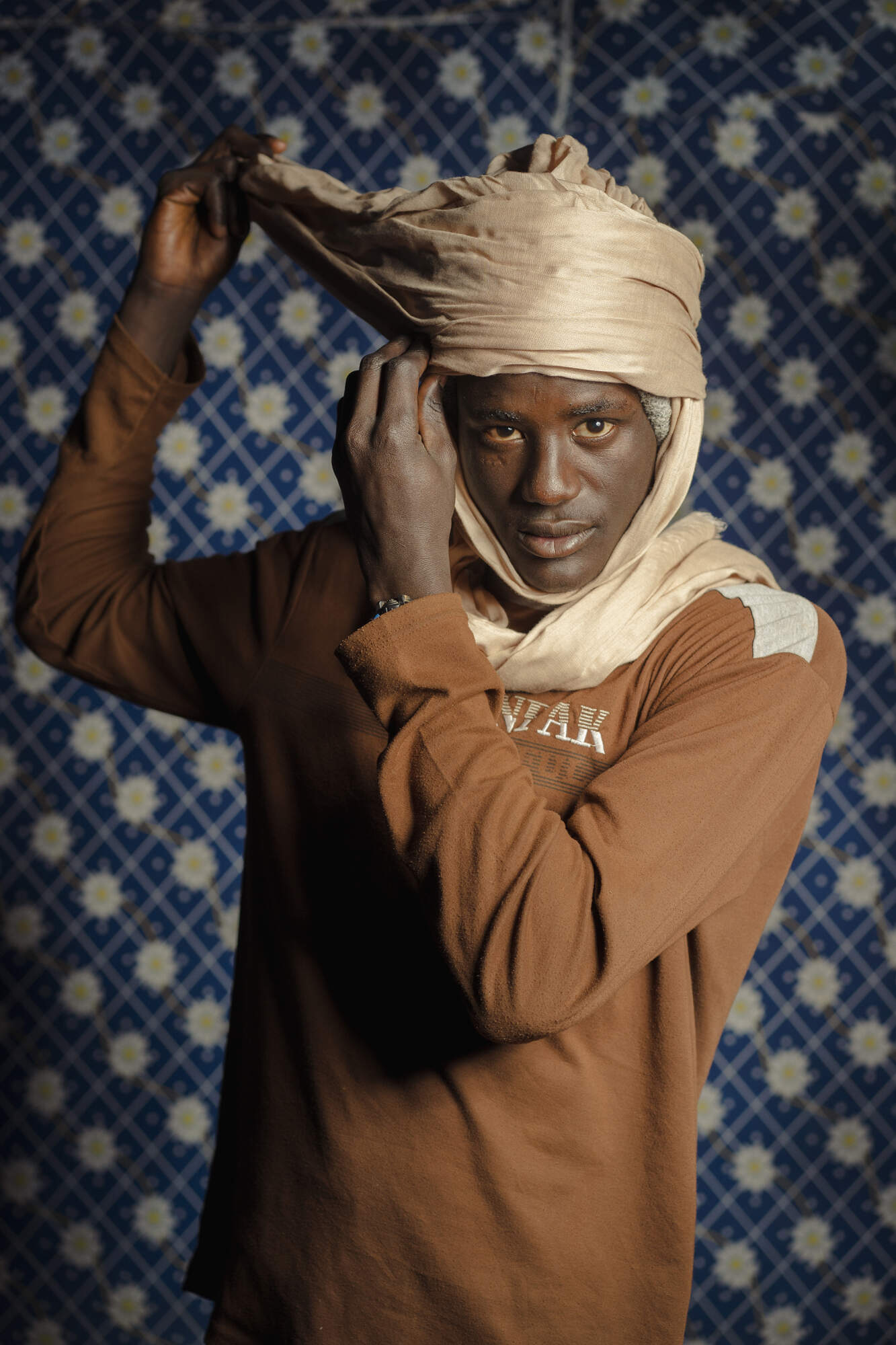
Chami, Mauritania — Mohamed Abdelneby, a Chadian man from Abéché, poses for a portrait. He has travelled through Fotokol and Maiduguri (Nigeria), Maradi and Niamey (Niger), Ouagadougou (Burkina Faso), Bamako (Mali), and Chami (Mauritania).
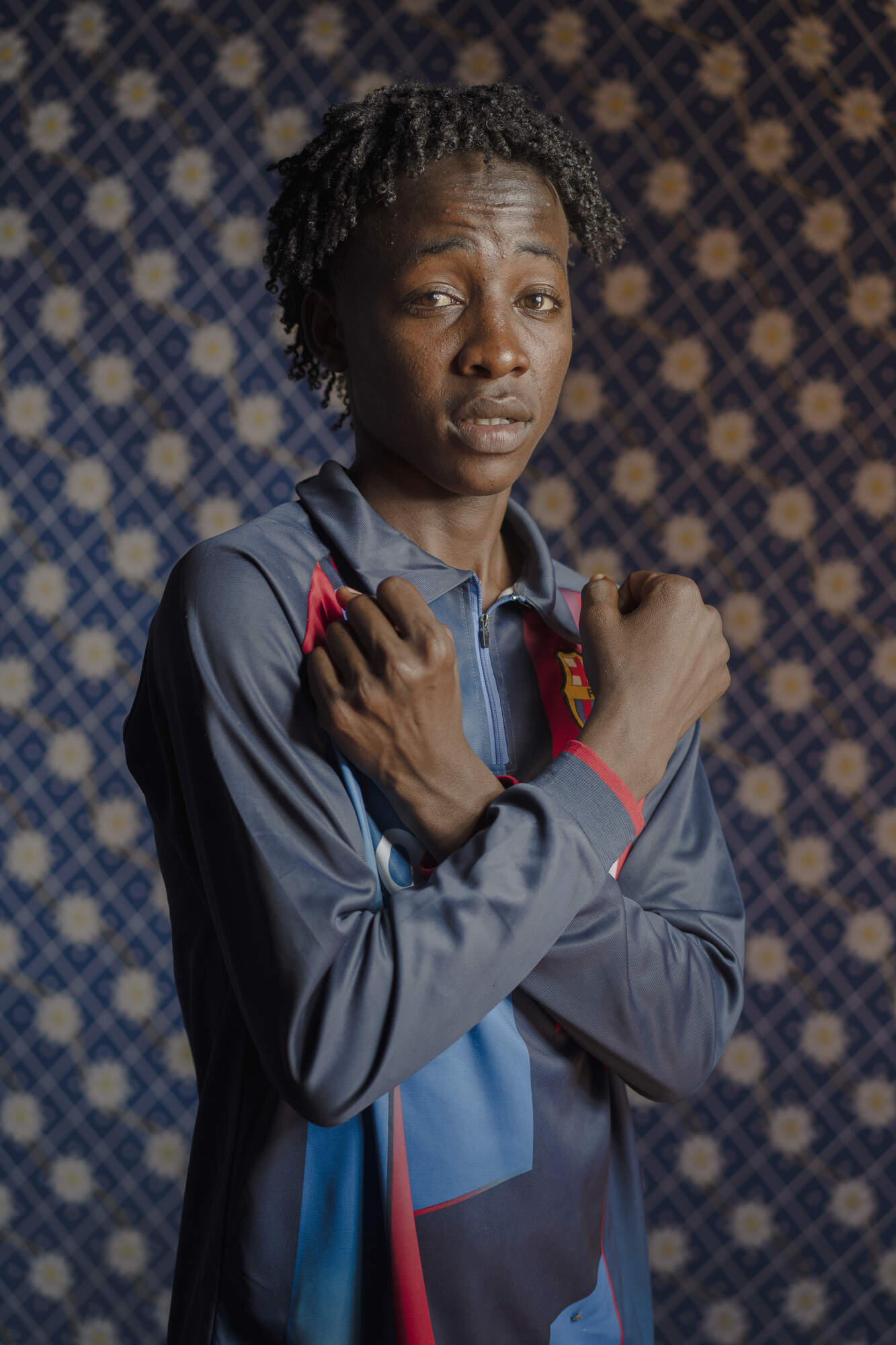
Chami, Mauritania — Adam Mohamed, 18, a Sudanese man from El Fasher, poses for a portrait. Since he left his country, he has travelled across the Sahara, passing through N’Djamena (Chad), Maiduguri (Nigeria), Agadez, Arlit and Tchibarakaten (Niger), Tamanrasset and Tindouf (Algeria), and Chami (Mauritania).
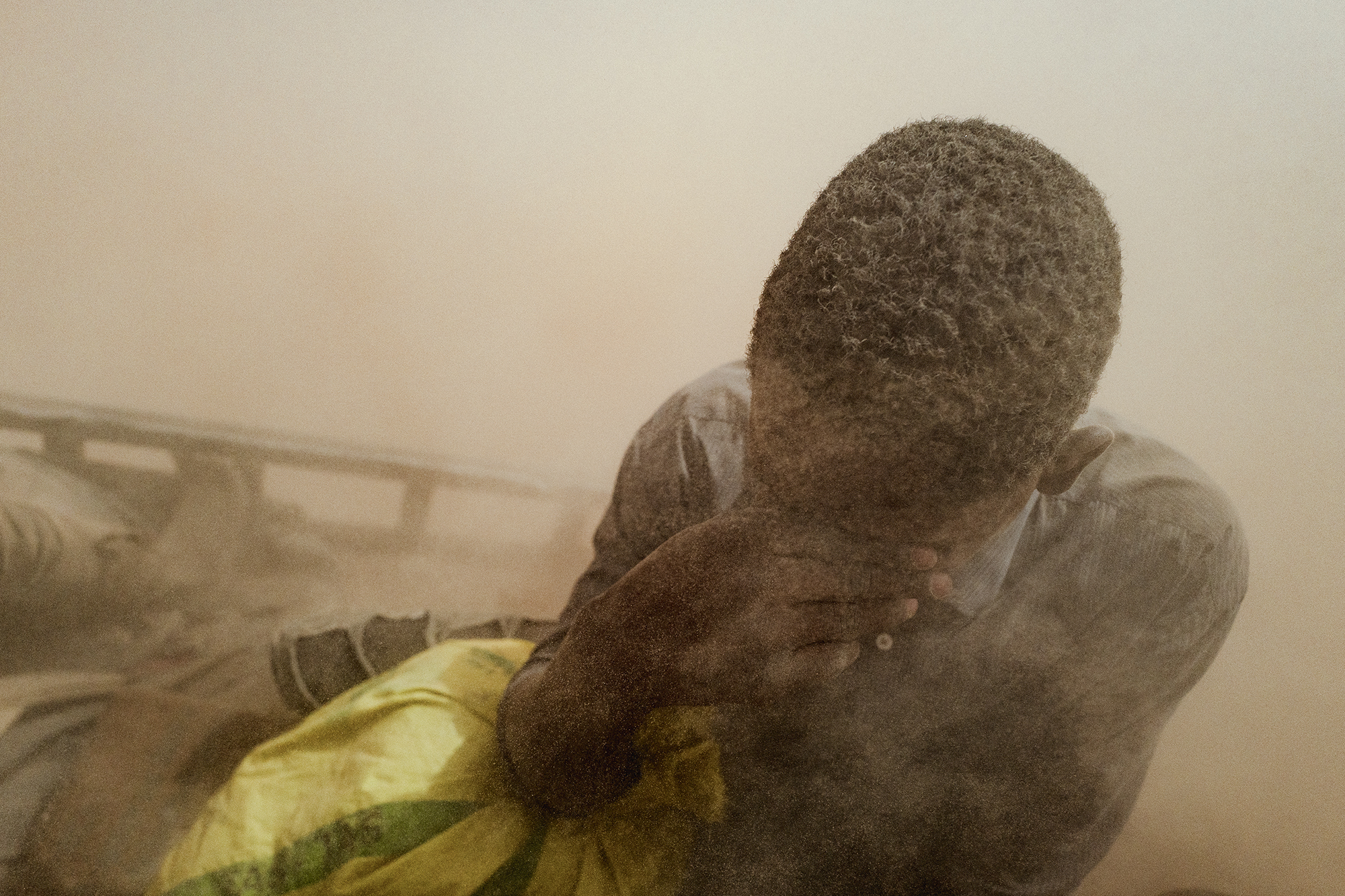
Tabelot, Niger — A gold prospector covers his face to protect himself from dust.
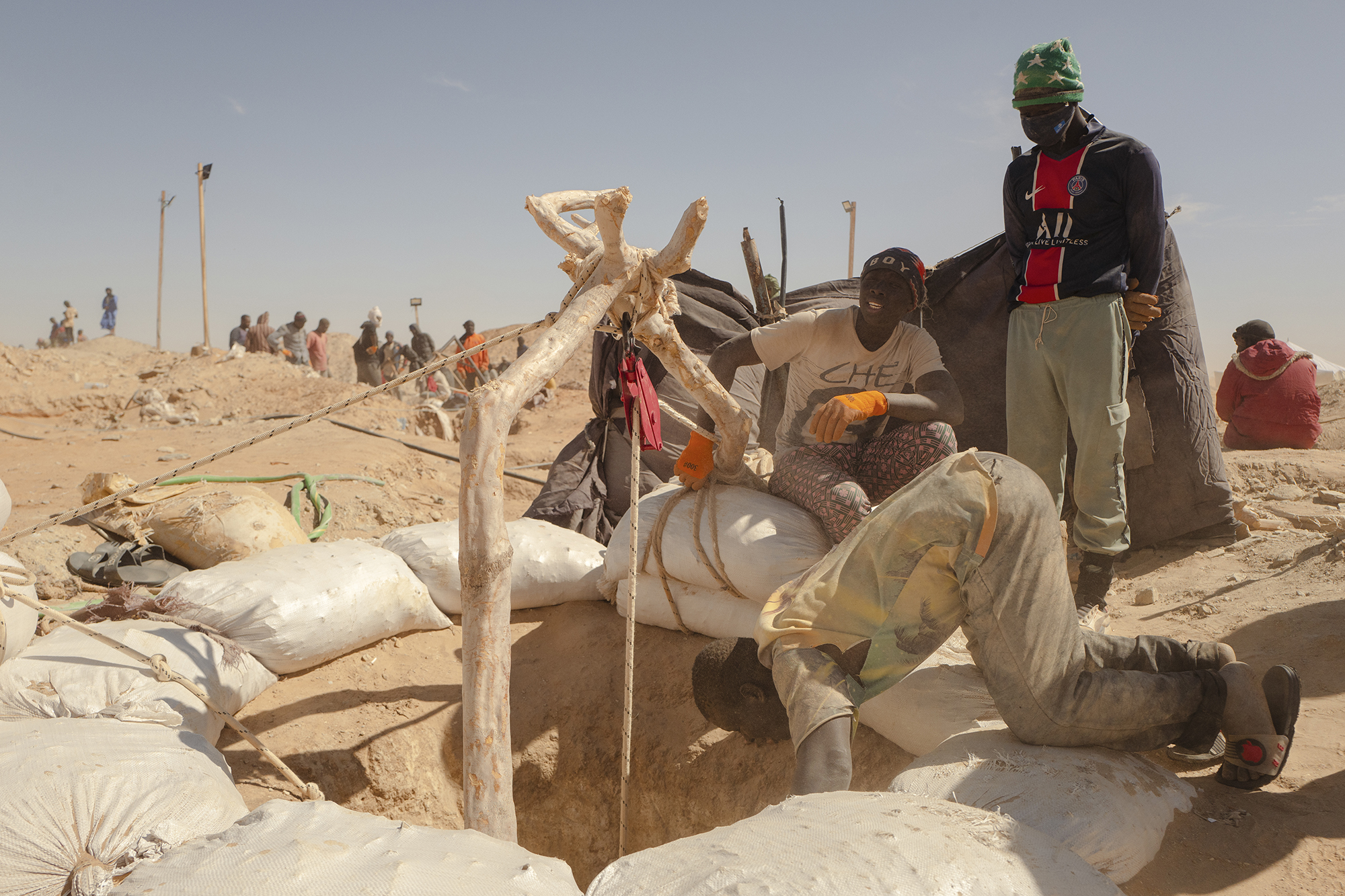
Tamaya, Mauritania — A young gold prospector communicates with colleagues below ground.
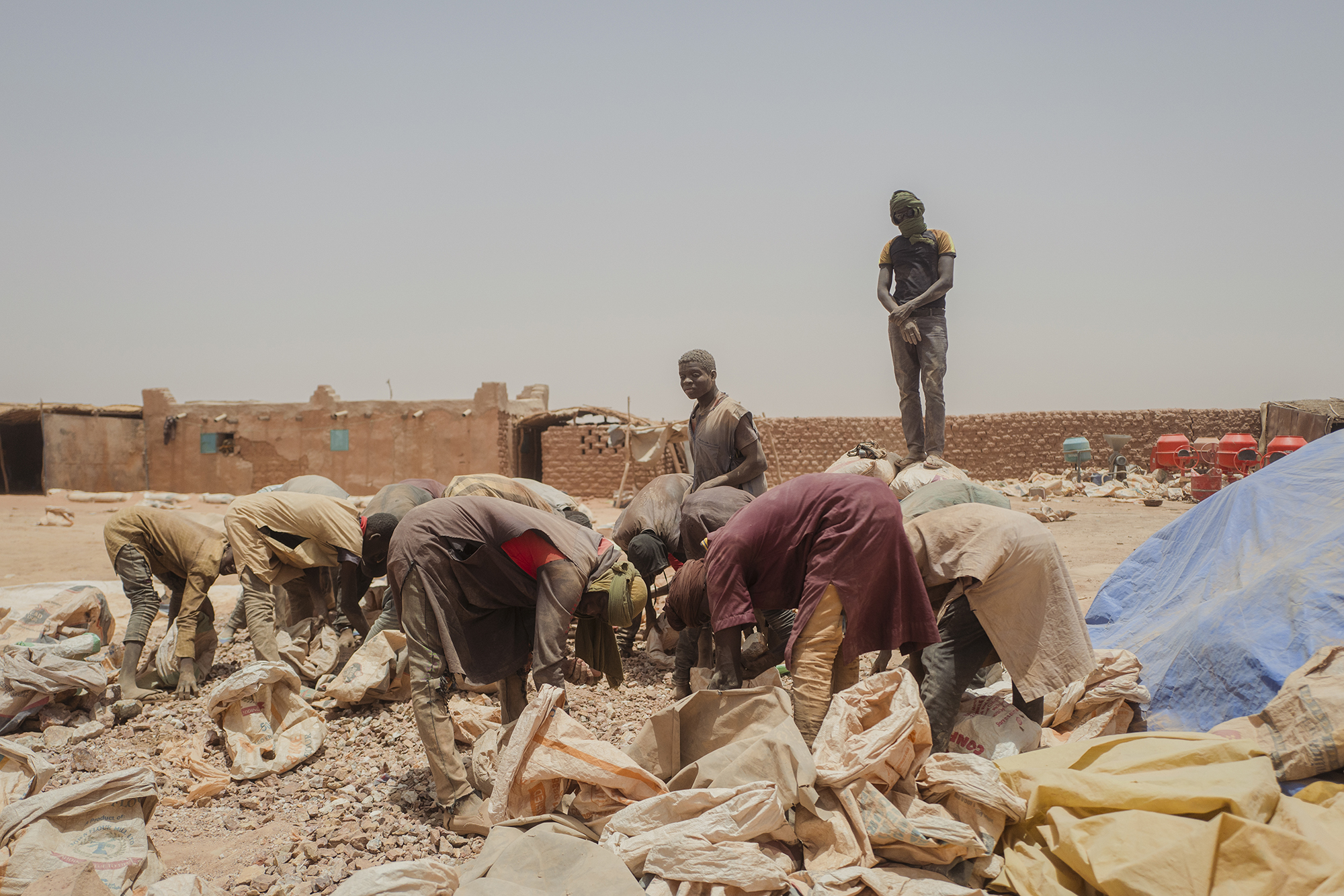
Arlit, Niger — Workers fill sacks with stones for processing at a treatment centre.
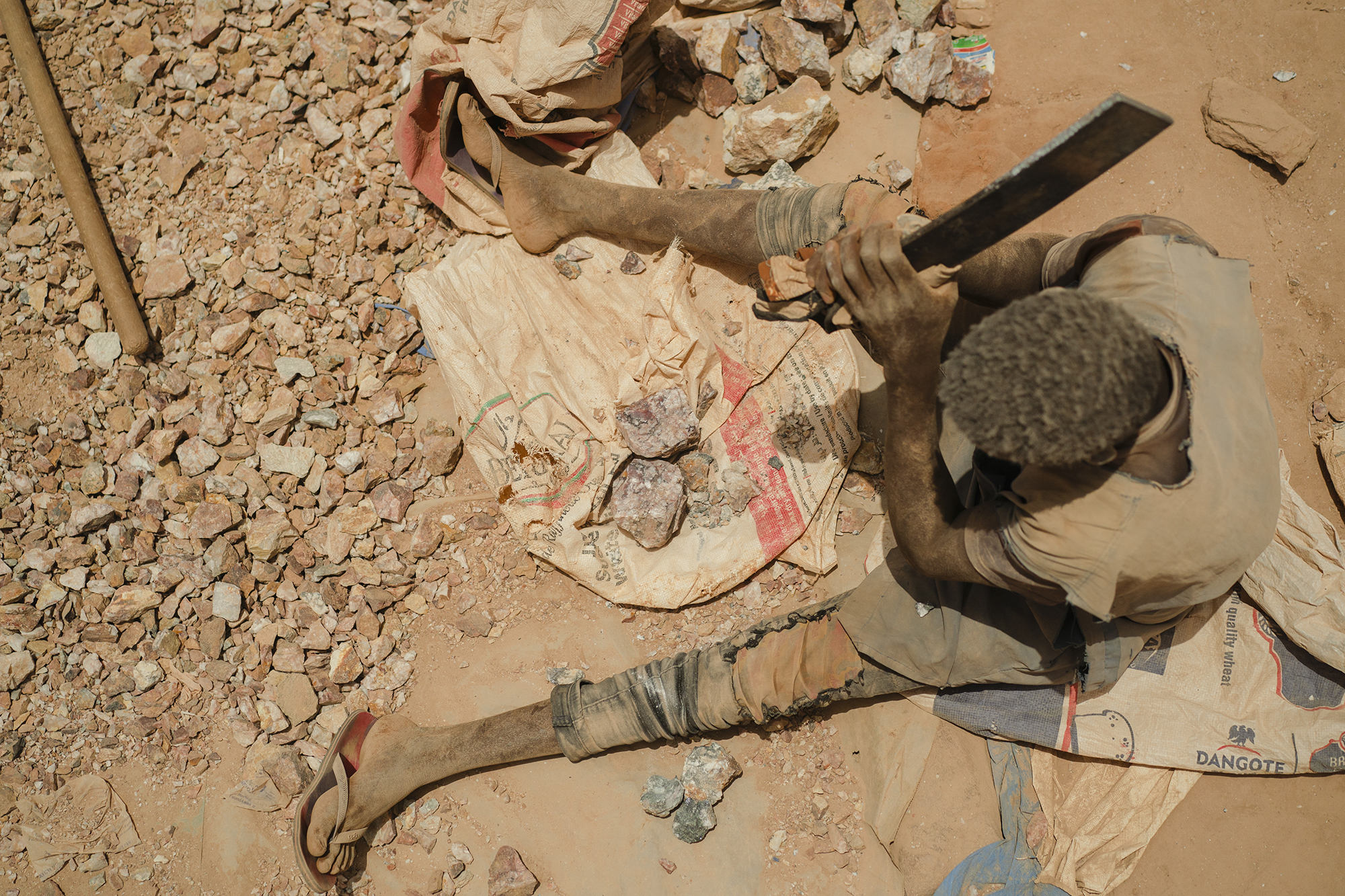
Arlit, Niger — A young man manually crushes stones at a gold processing centre.
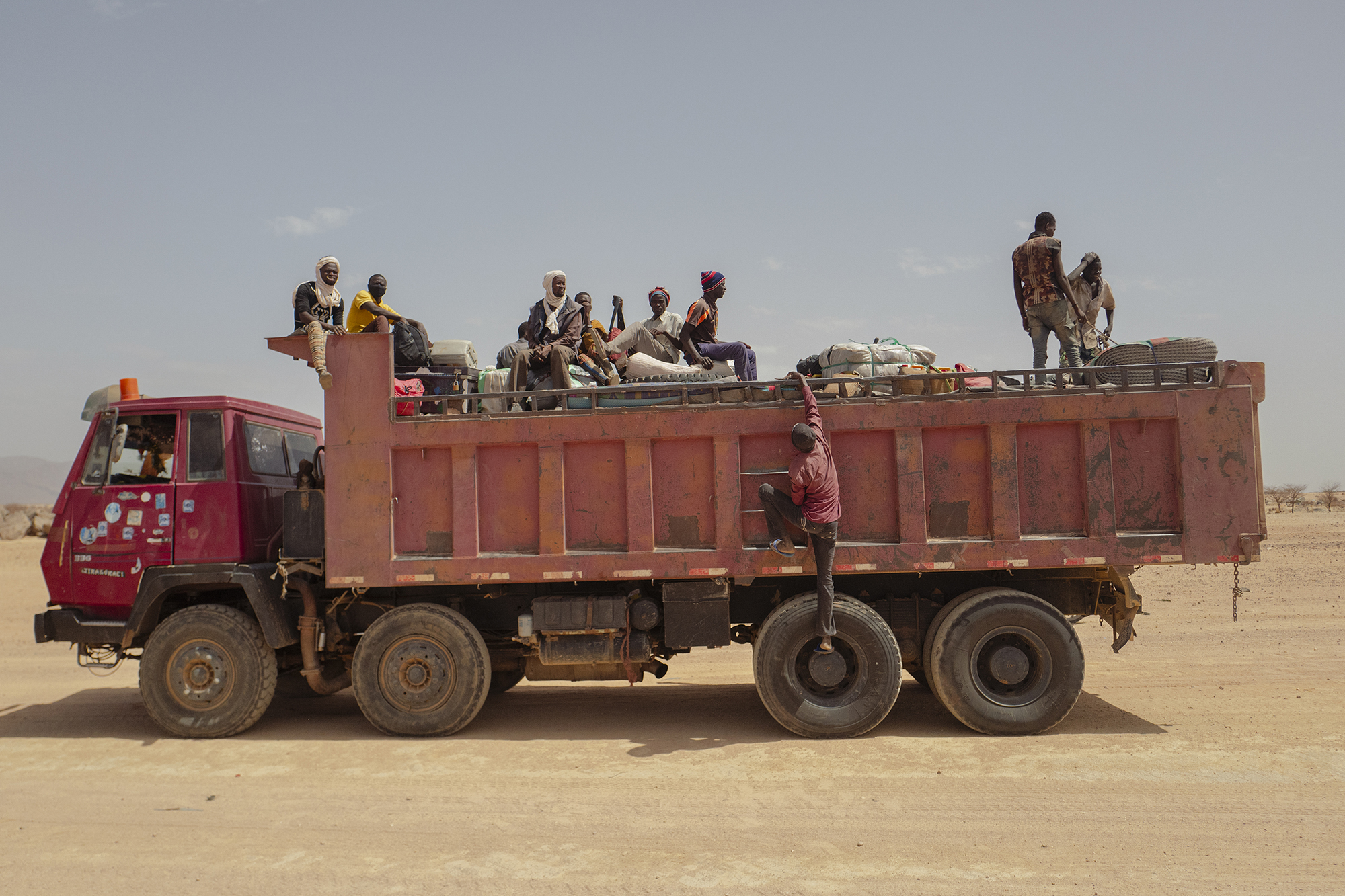
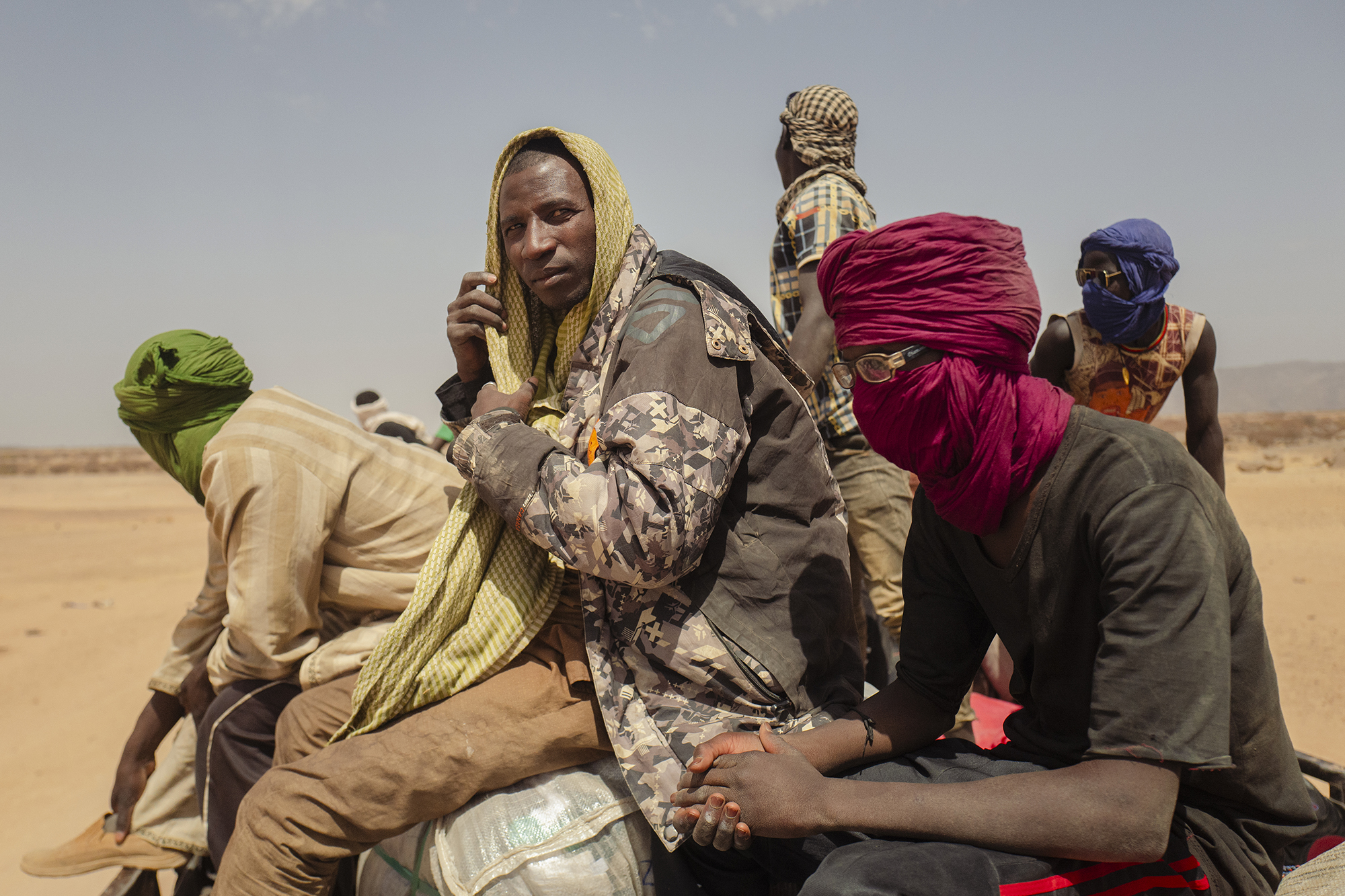
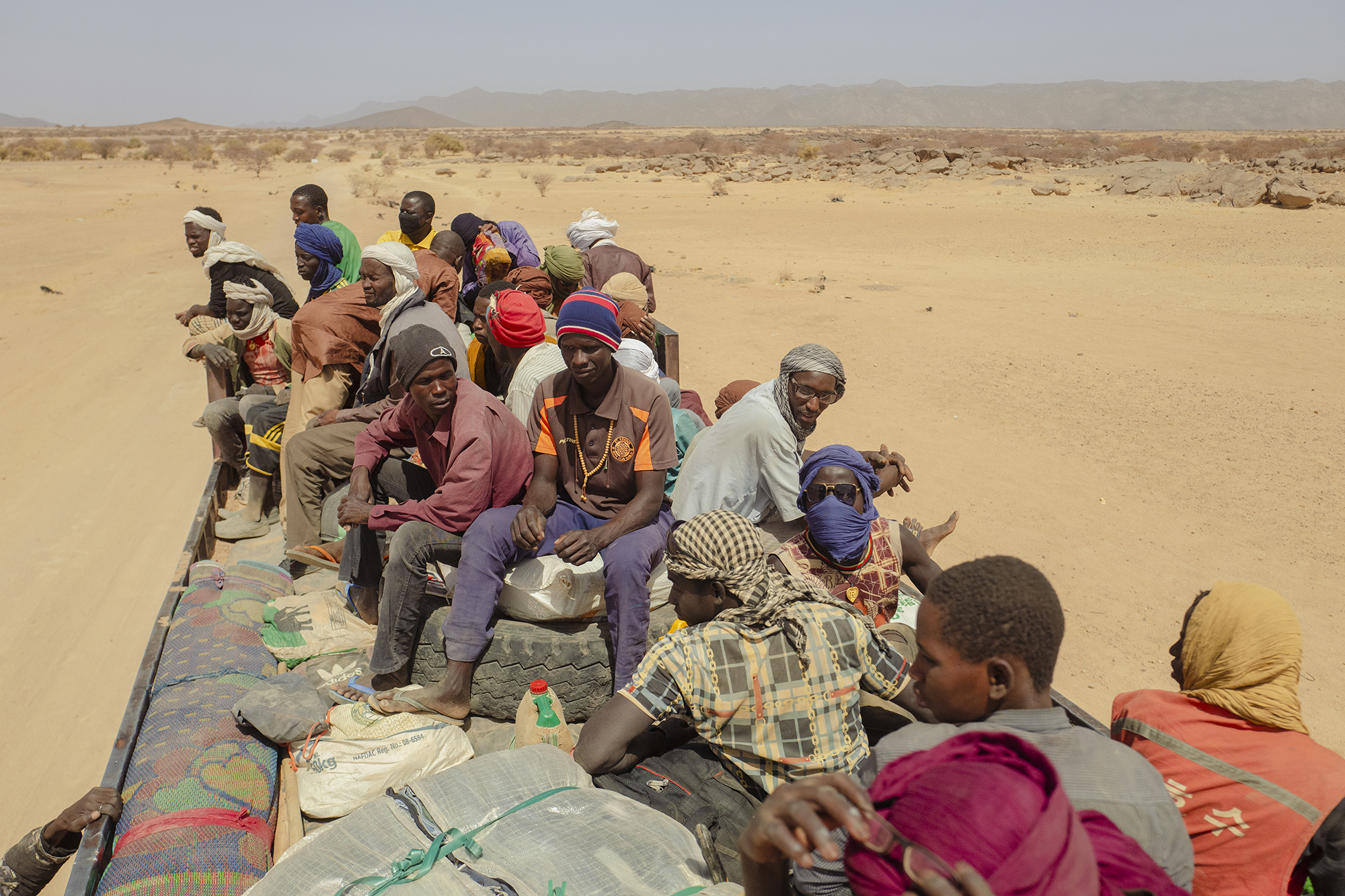
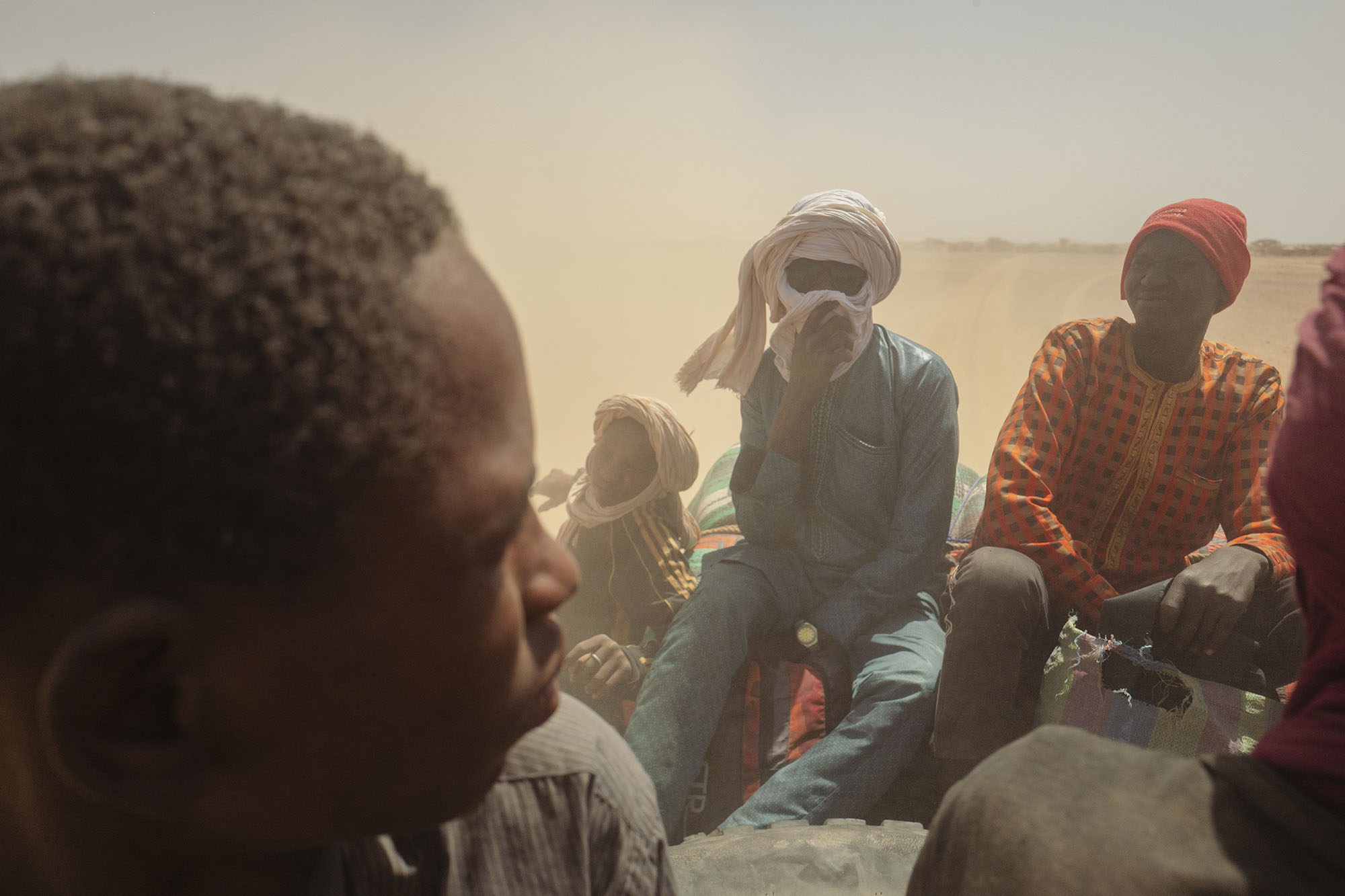
Tabelot, Niger — Gold miners ride on top of a truck through the desert.
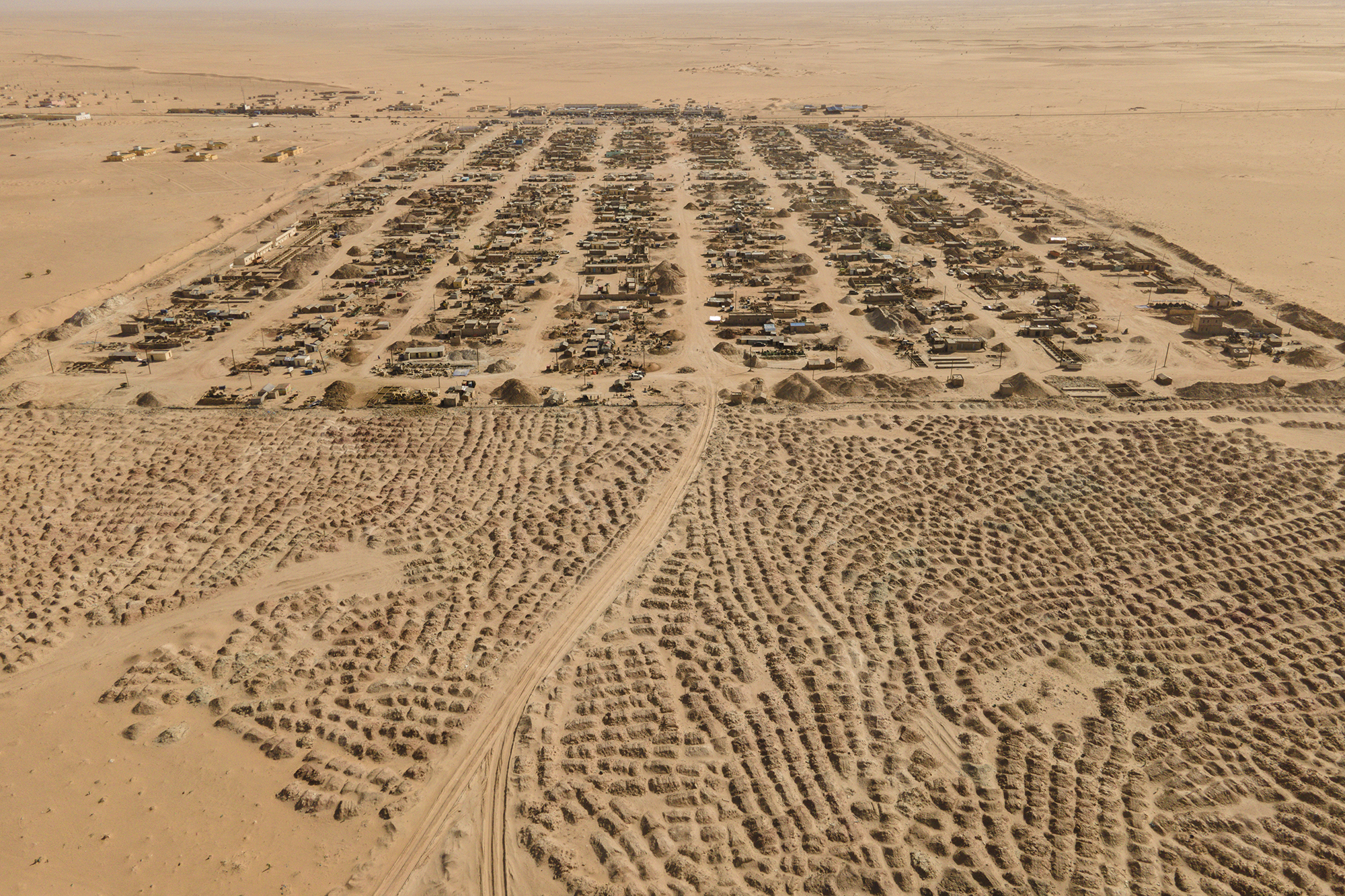
Chami, Mauritania — An aerial view of processing machinery at a treatment centre, where stones are processed to extract gold.
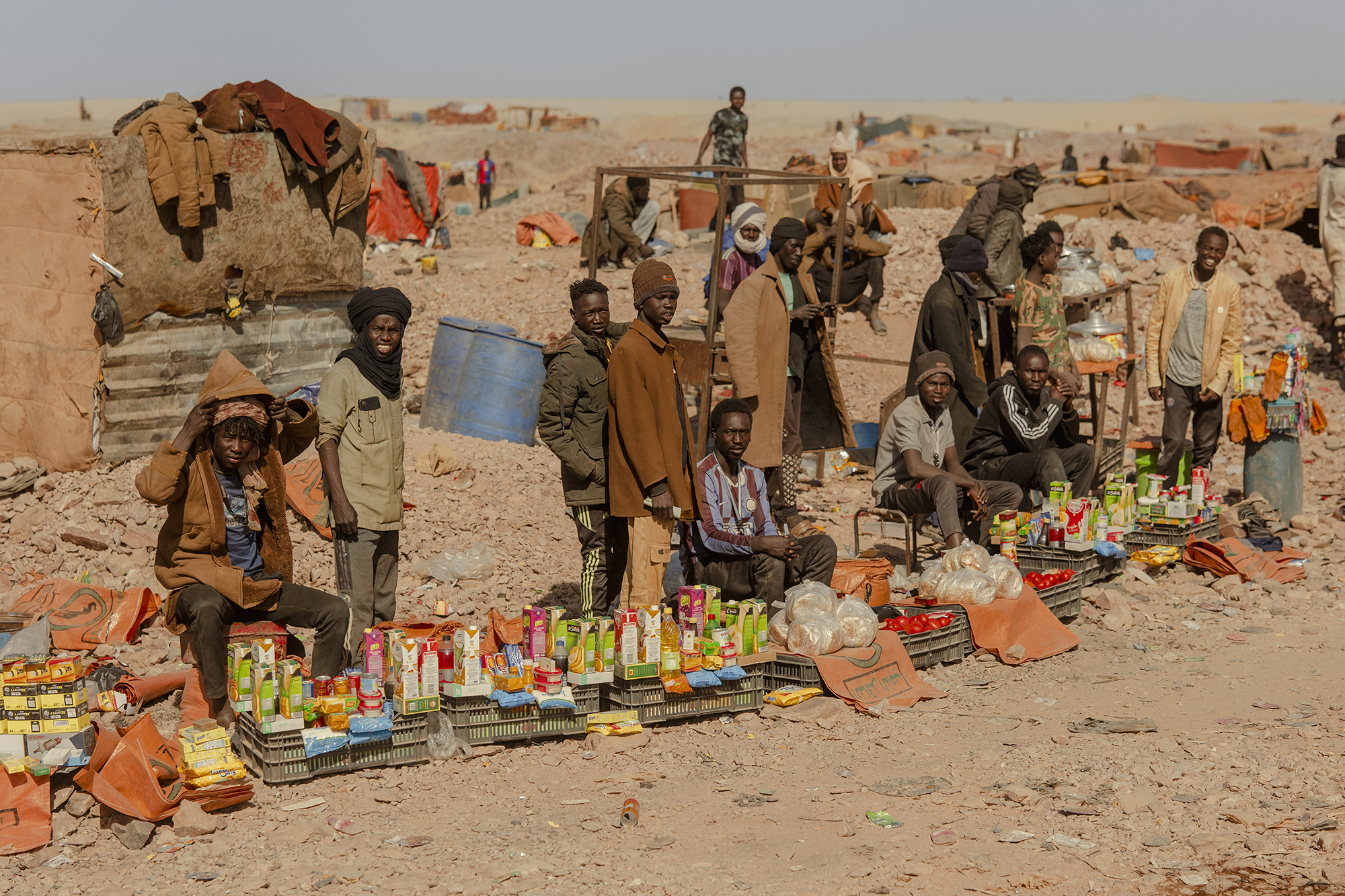
Kouri Bougoudi, northern Chad — Traders sell imported food to miners at one of the Sahara’s largest artisanal gold mining sites, near the border with Libya.
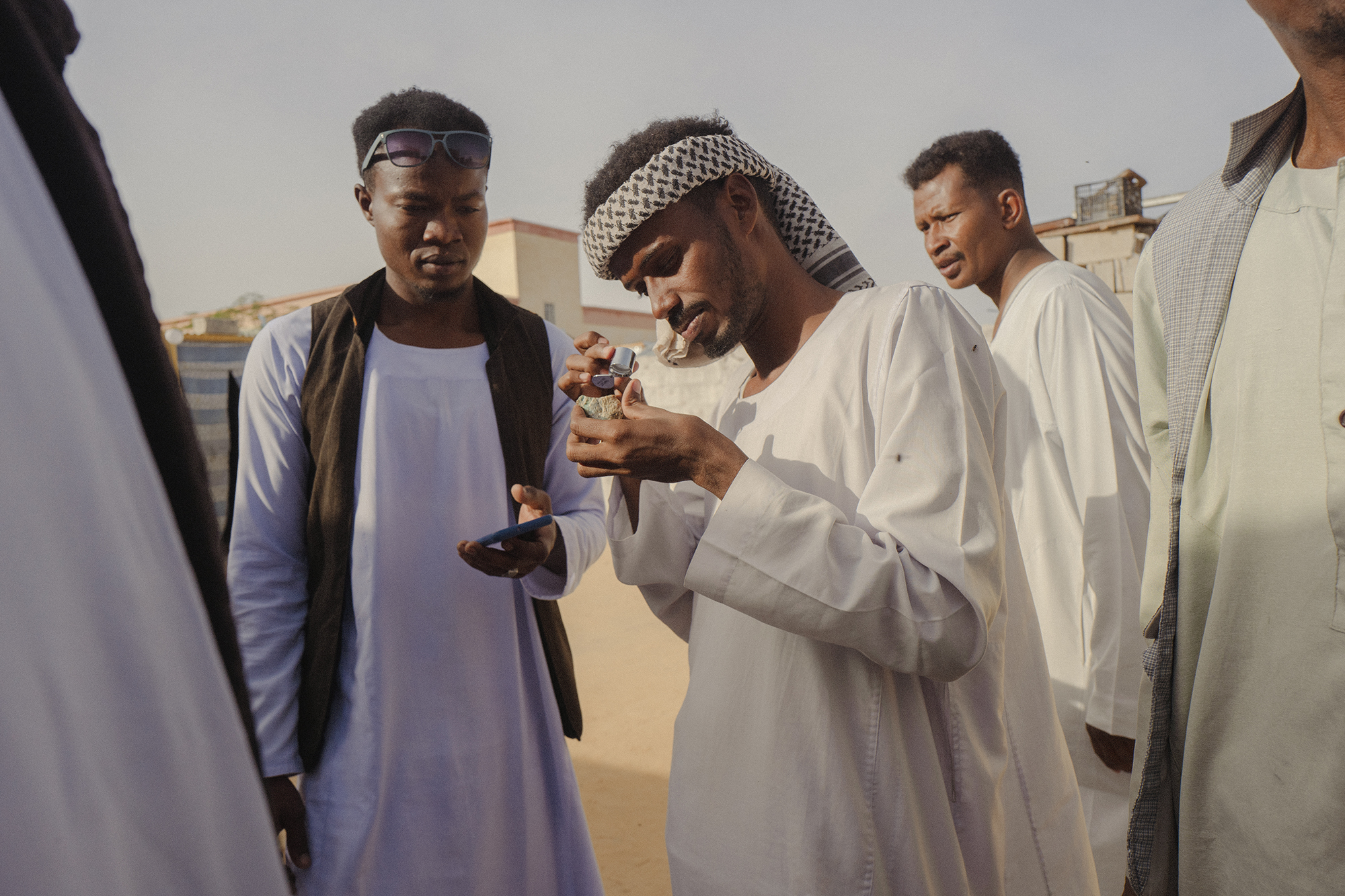
Chami, Mauritania — Sudanese men search for traces of gold in a stone. Since the discovery of gold in Sudan, Sudanese miners have travelled across the Sahel, bringing their expertise in the sector.
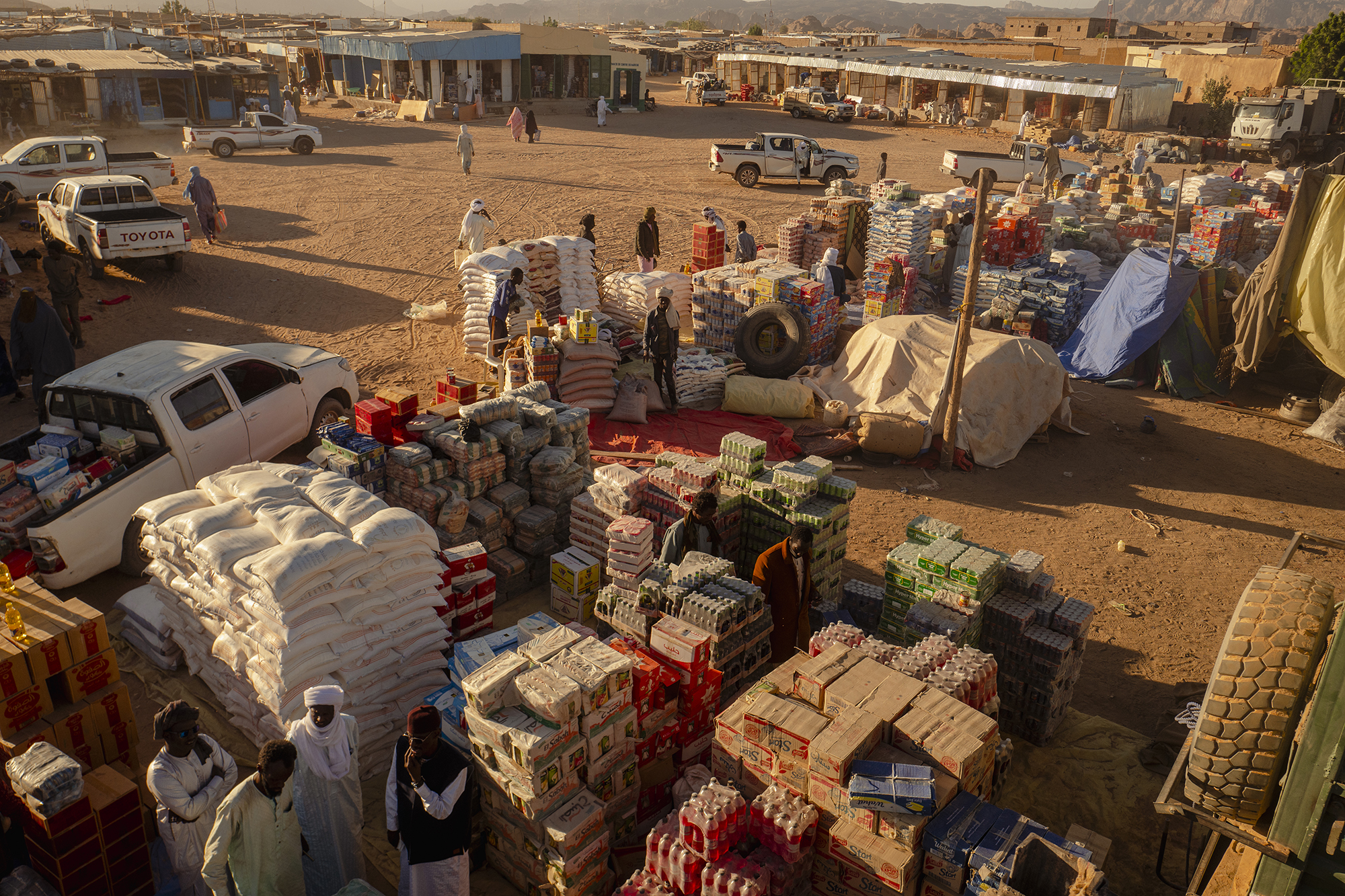
Zouar, Tibesti region, northern Chad — A view of the central market.
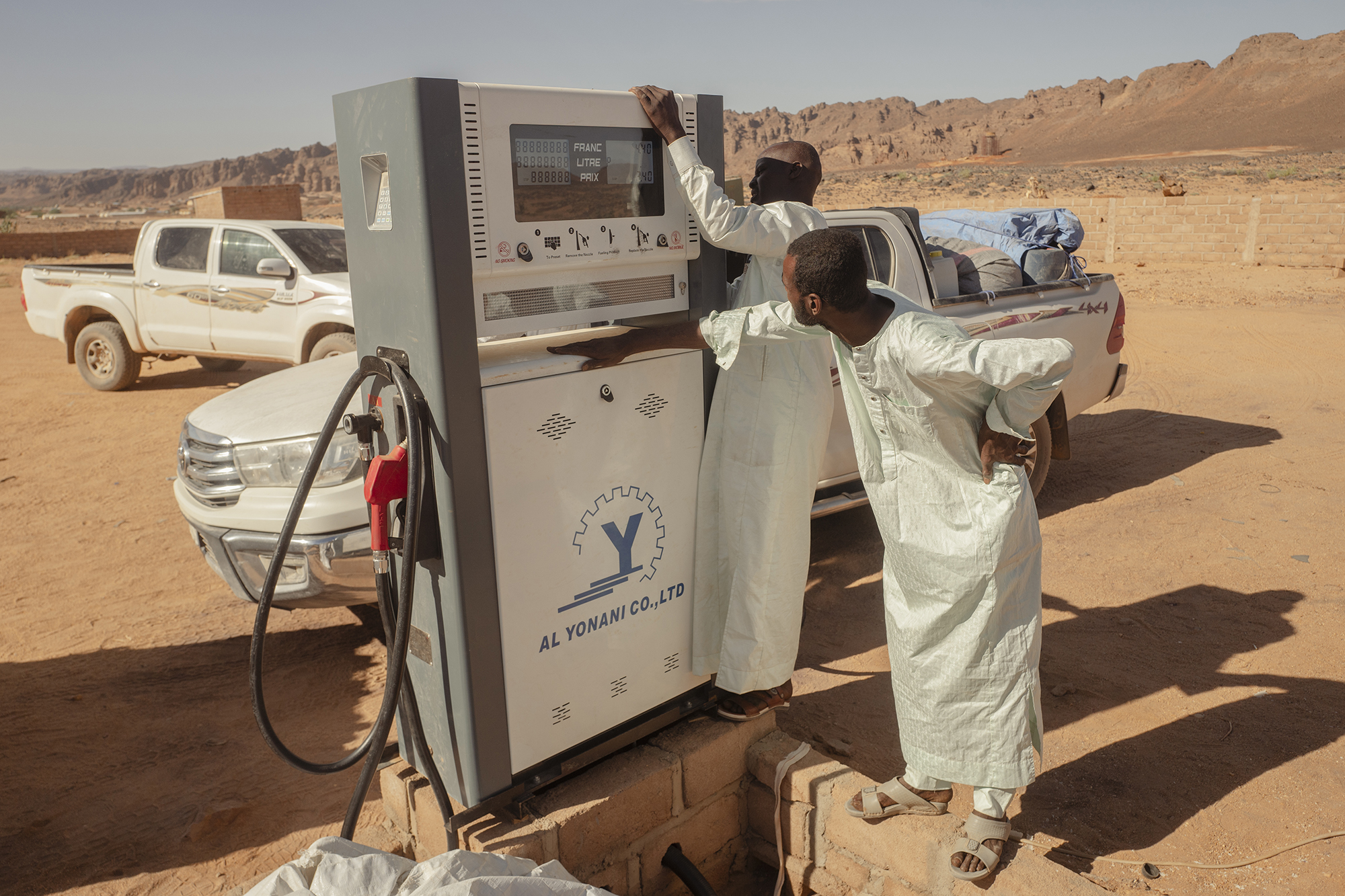
Bardai, Tibesti region, northern Chad — Fuel traders set up a newly delivered fuel dispenser.
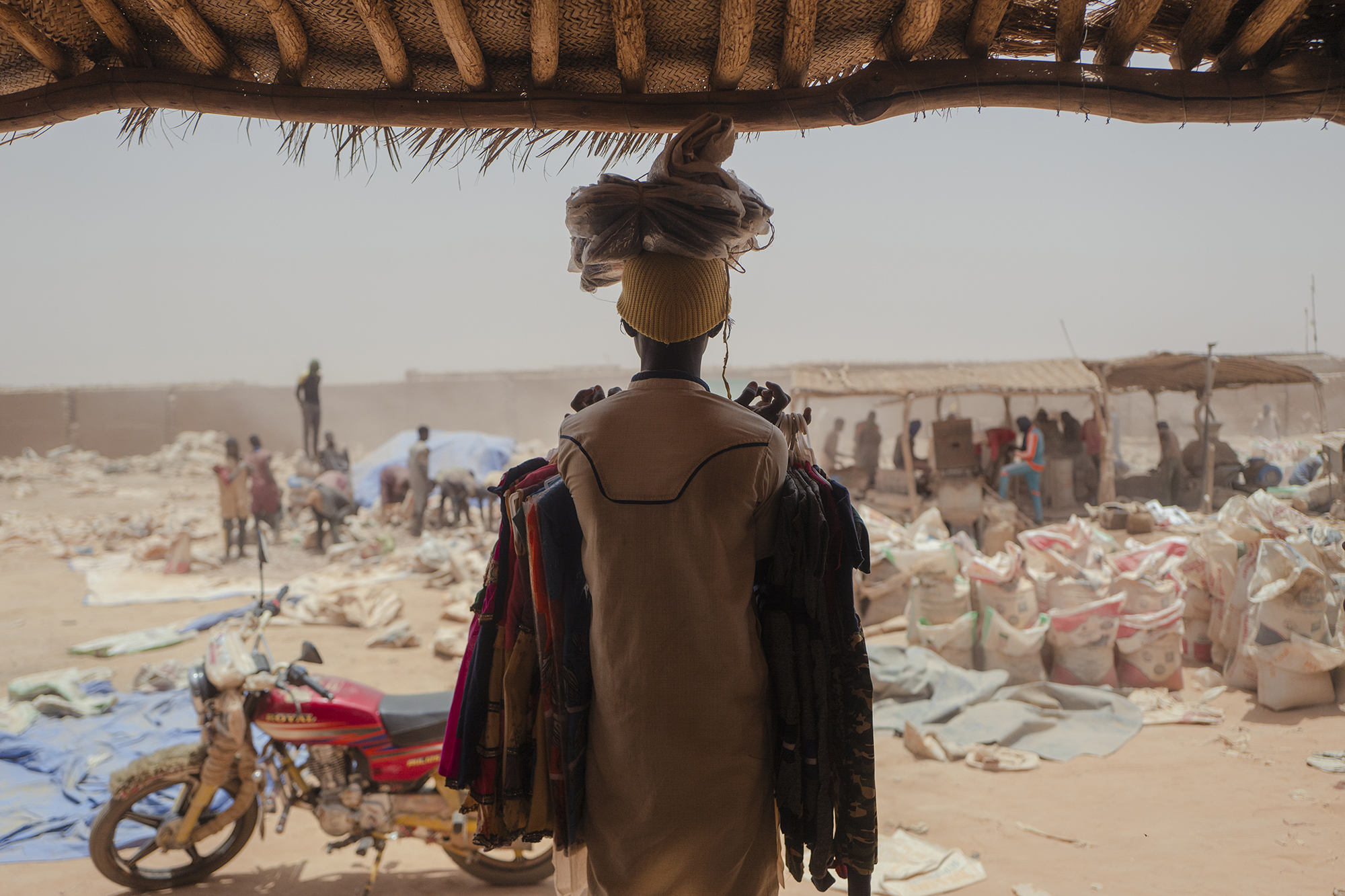
Arlit, Niger — A second-hand clothes vendor at a processing centre.
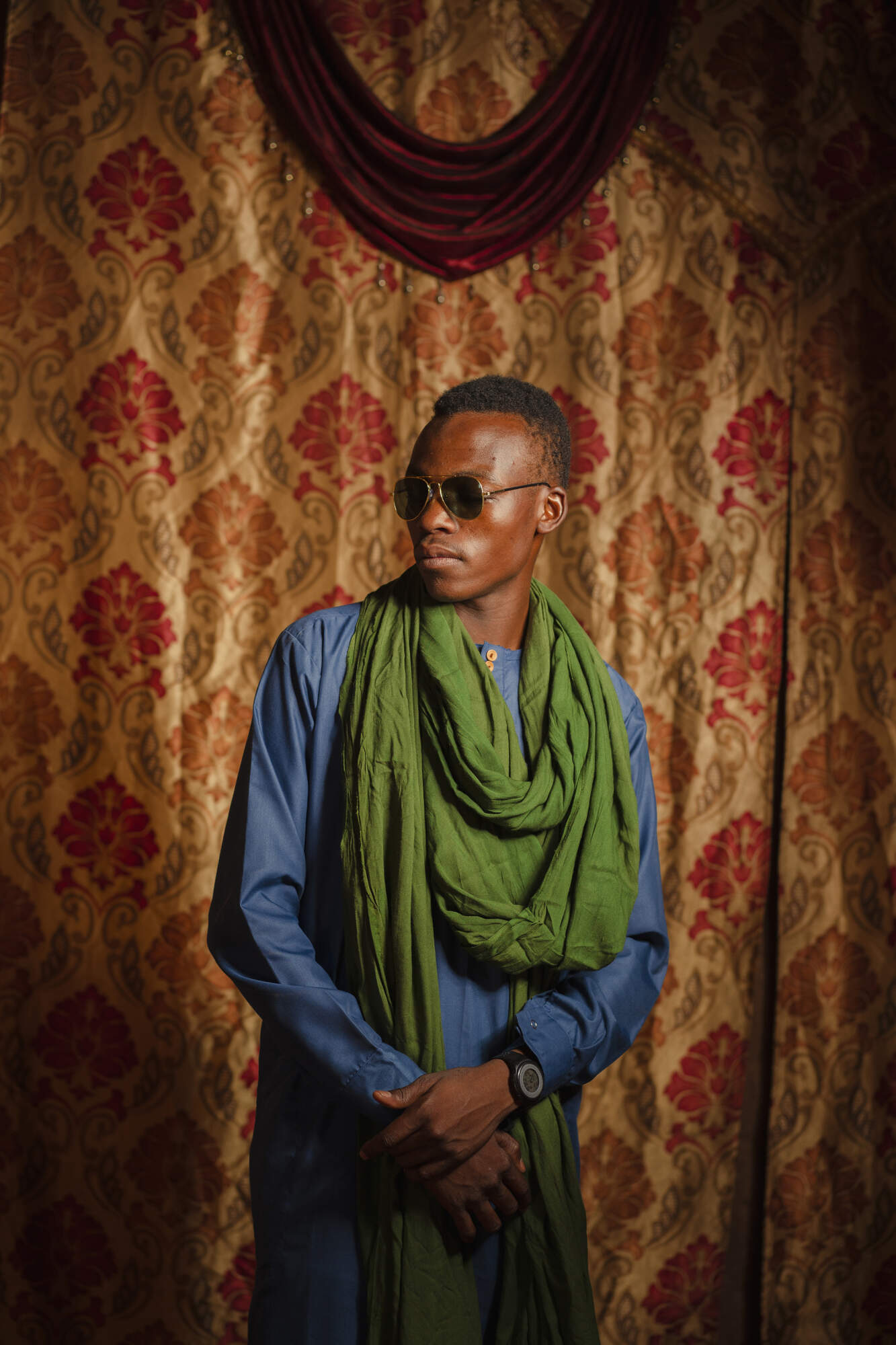
Tabelot, Niger — Noura Ibrahim, 19, is an experienced blaster. The job is dangerous and better paid than others: for 15,000 CFA (around $25), he descends into shafts to place and detonate explosives. He must climb out quickly before the blast. The man who taught him the technique died this way; others have been injured or lost their hearing.
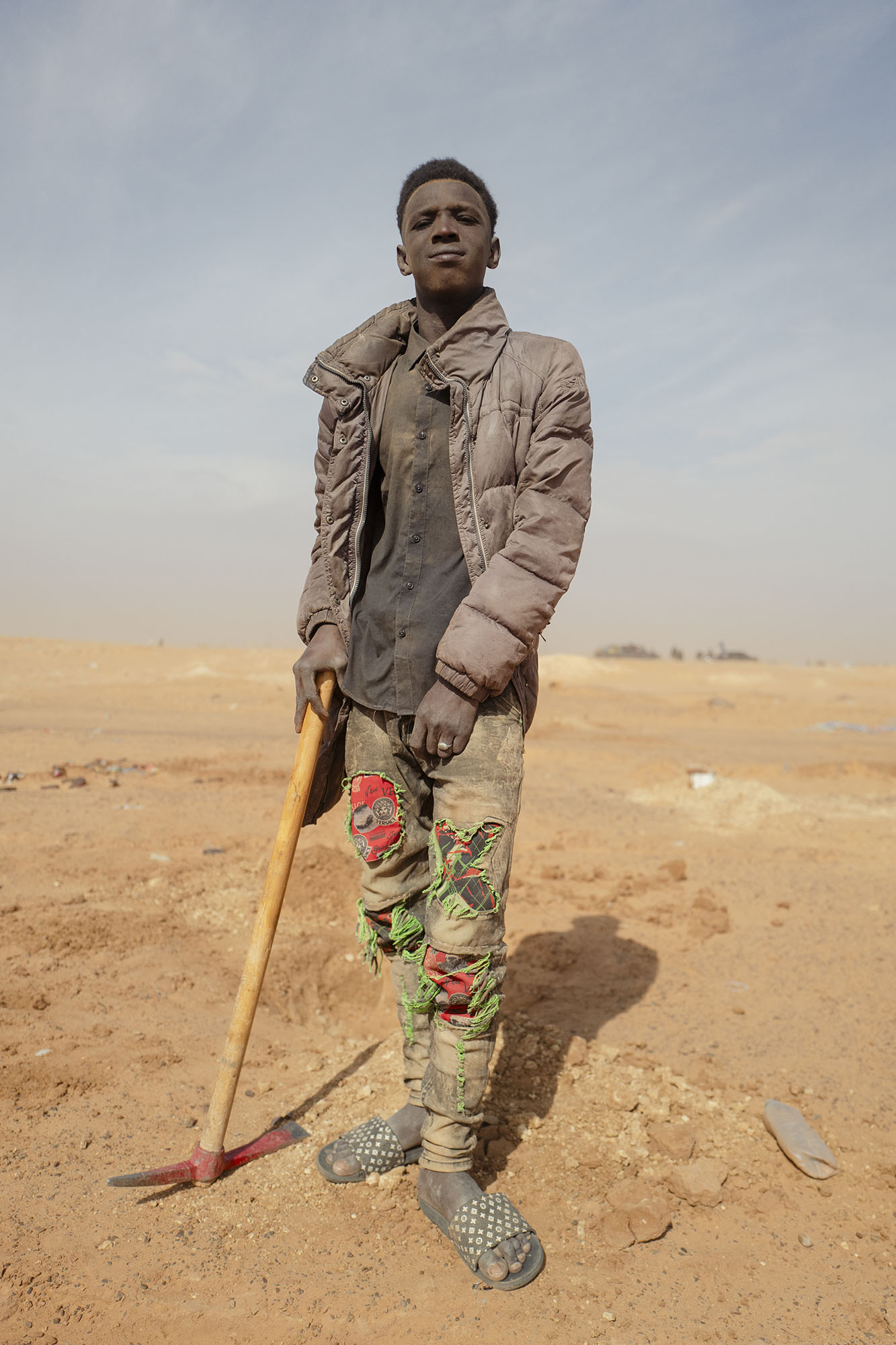
Tamaya, Mauritania — A gold prospector poses with a pickaxe as a new extraction site opens.
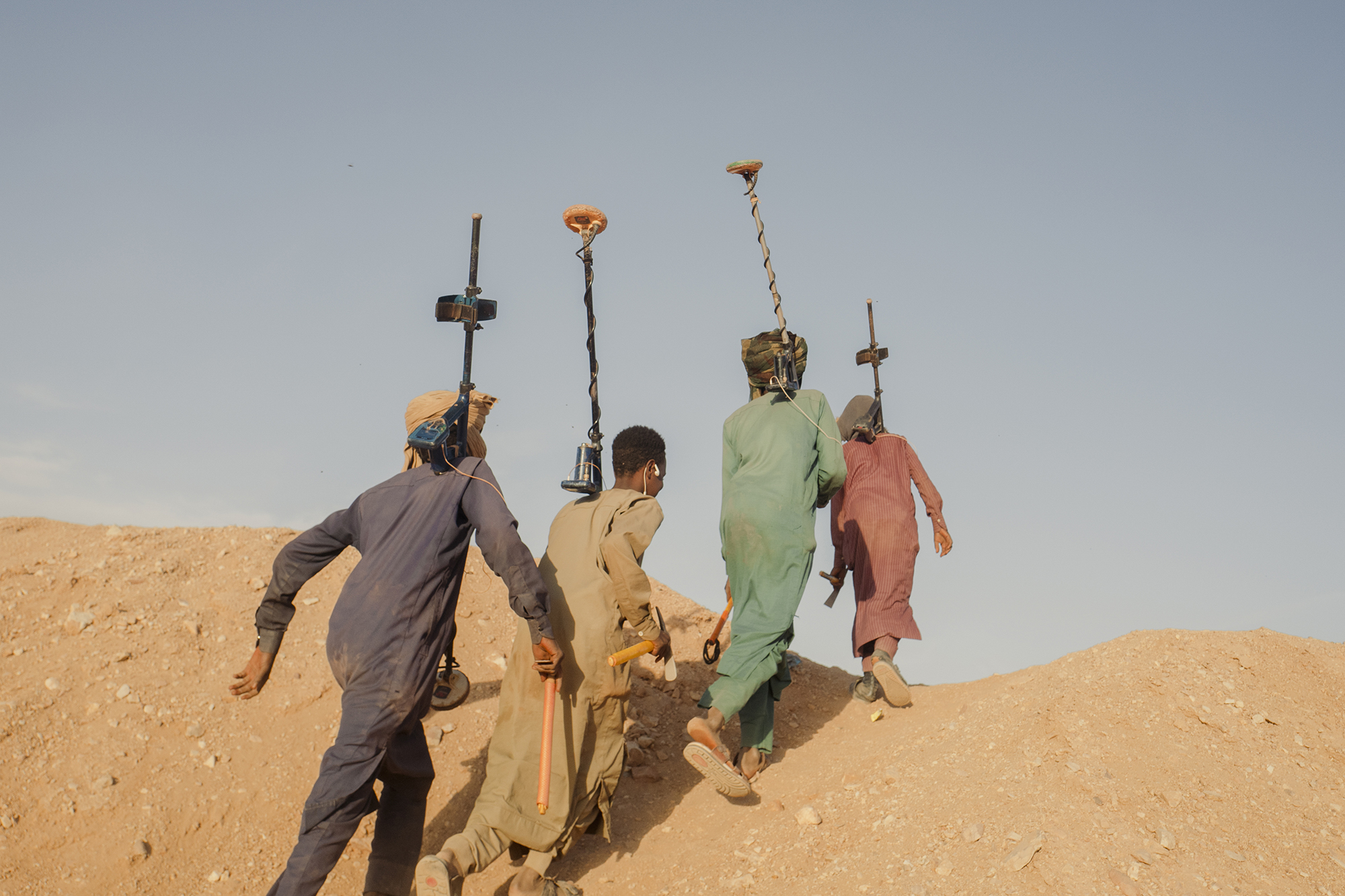
Kouri Bougoudi, Chad — Young gold miners carrying metal detectors walk across a mining site.
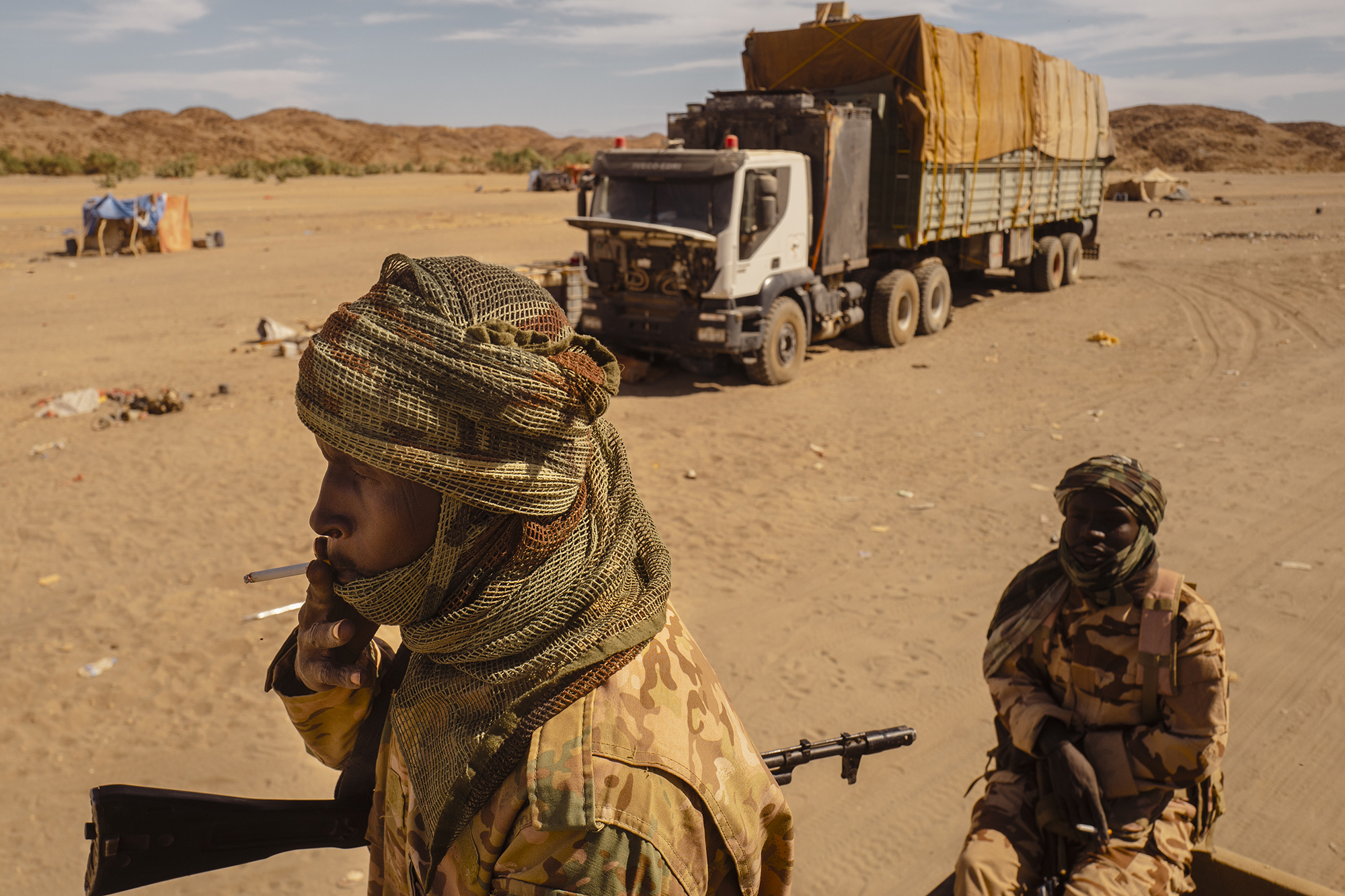
Arkenya, Tibesti region, northern Chad — Chadian army soldiers ride on the back of a pickup truck during a patrol at the market.
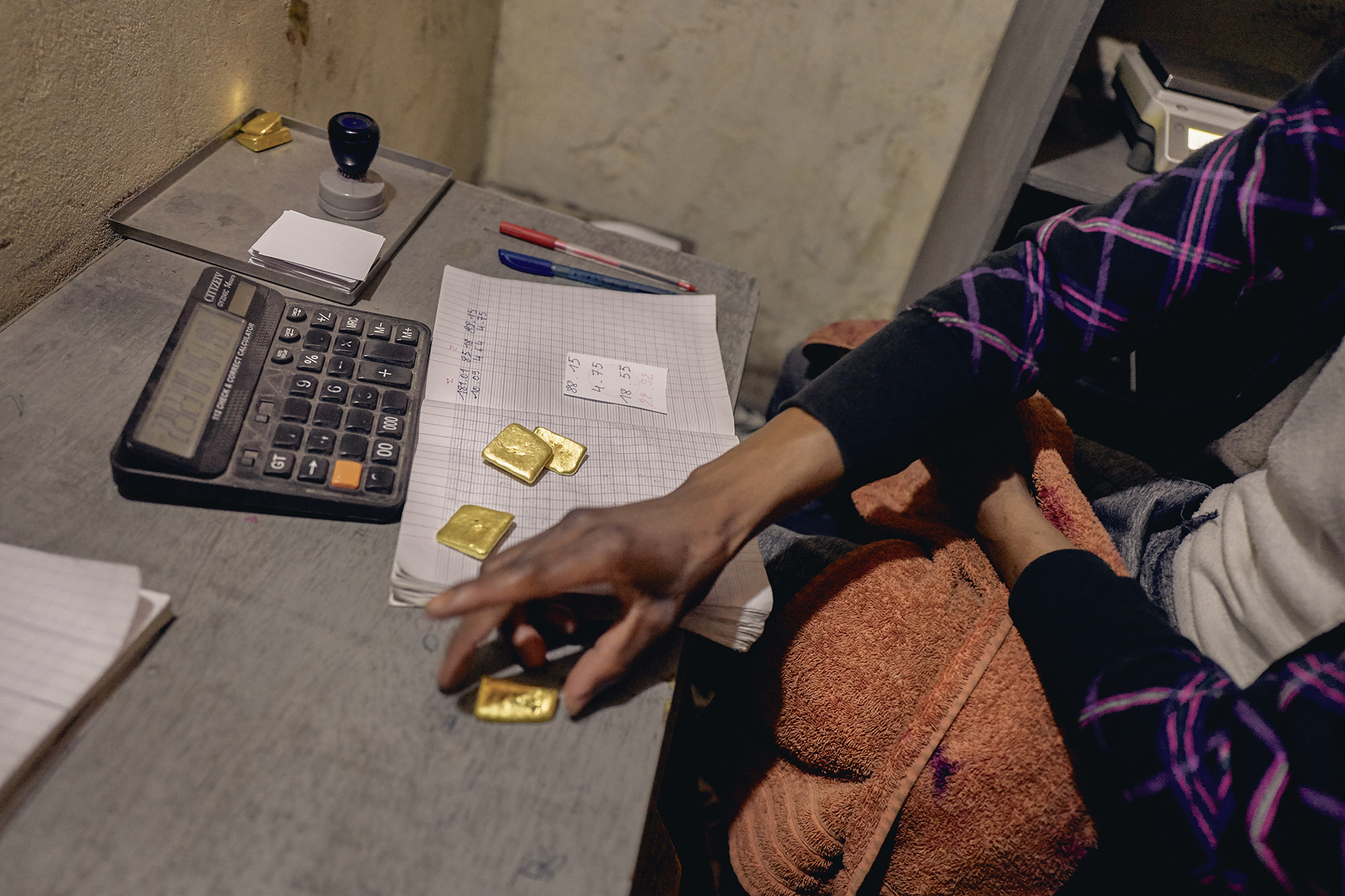
Agadez, Niger — A young Guinean man weighs and records gold ingots on 30 April 2023.
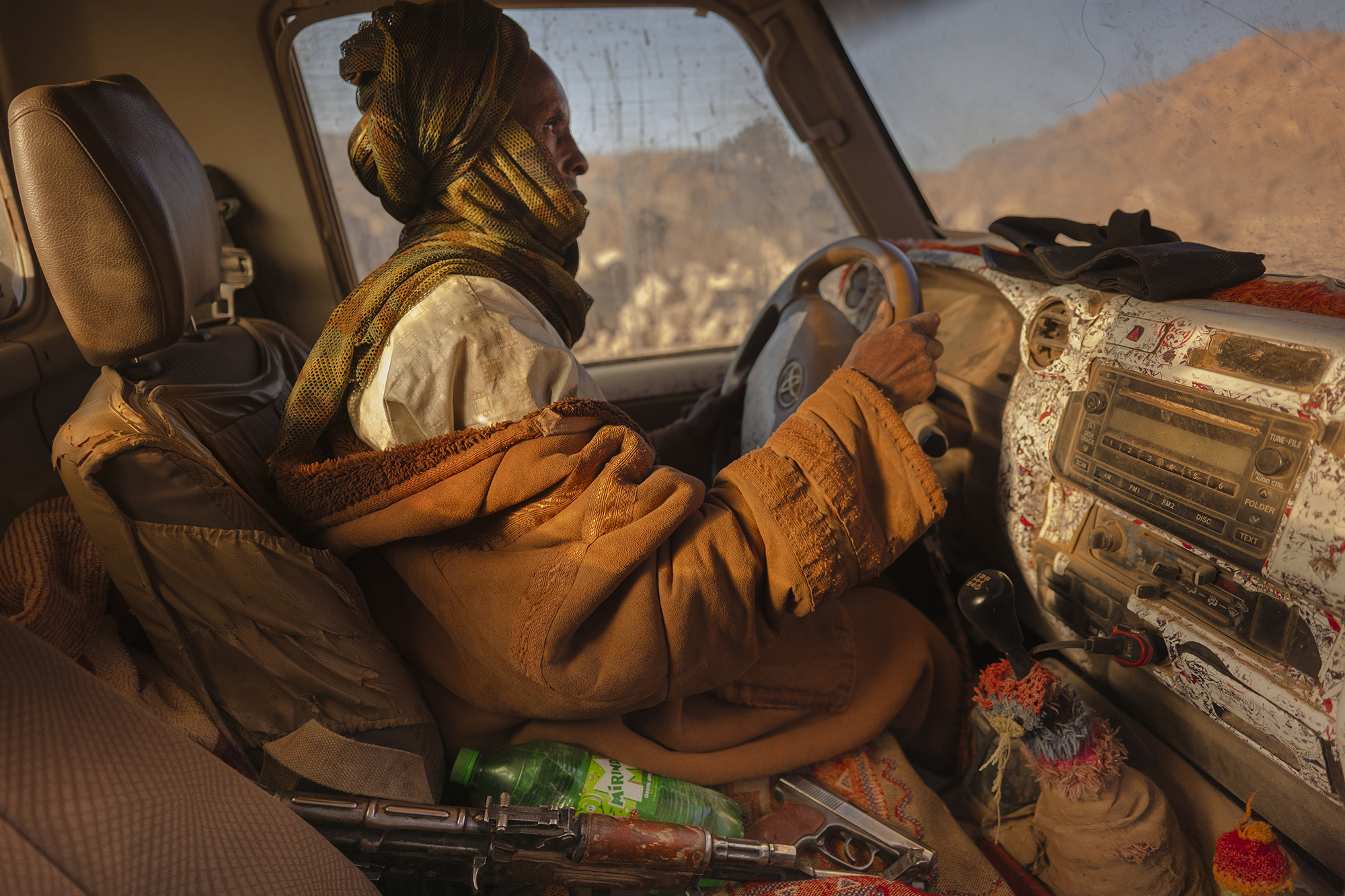
Modra, northern Chad — As the state gradually establishes its presence in the region, the sub-prefect keeps a handgun and an AK-type rifle in his vehicle.
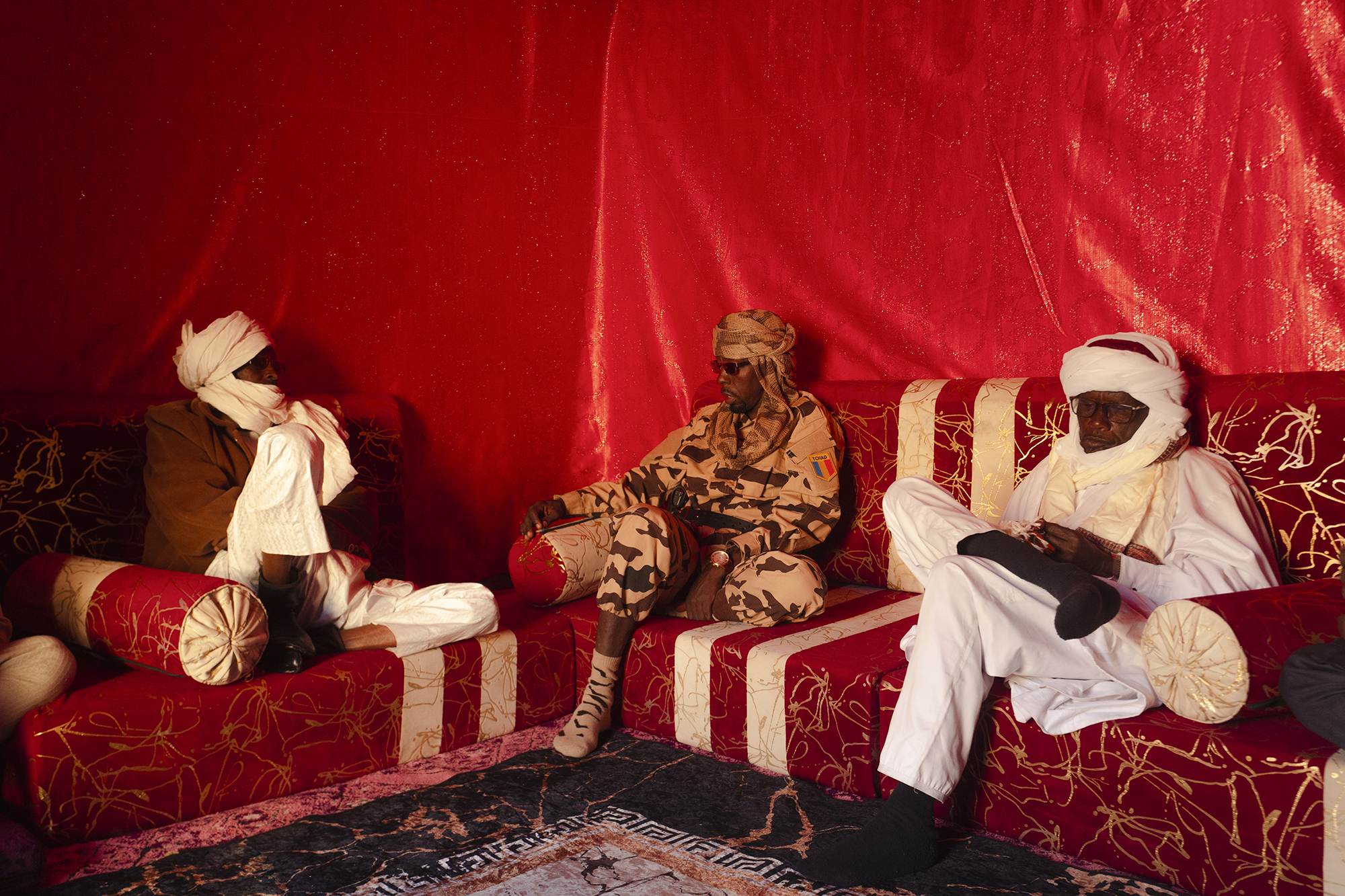
Modra, Chad — The sub-prefect, the leader of the self-defence militia Difa Al Watan, and the village chief meet following the signing of an agreement between the militia and the state in September 2025.
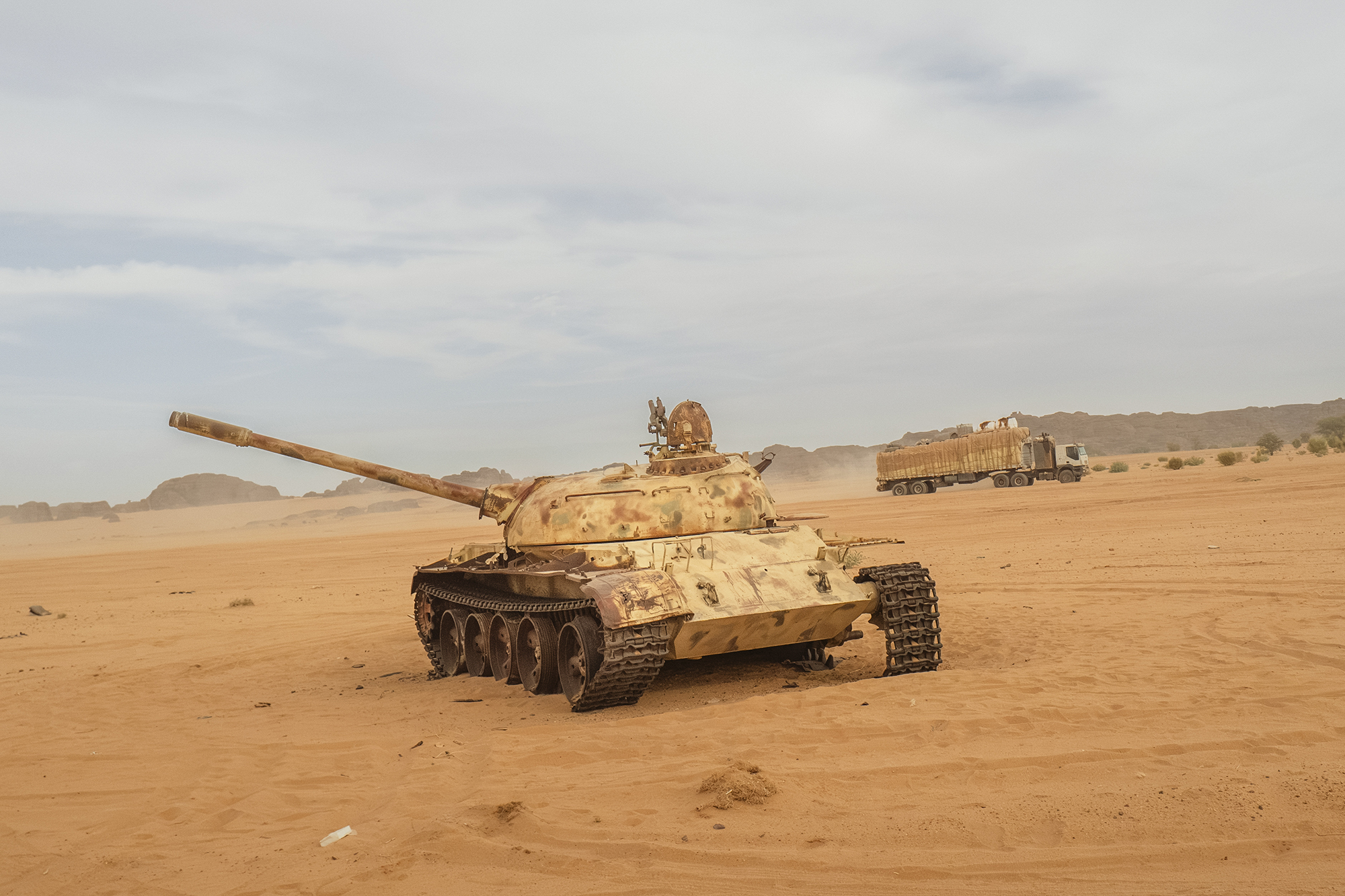
Tibesti region — A Libyan tank abandoned along a trade route linking Niger, Chad and Libya.
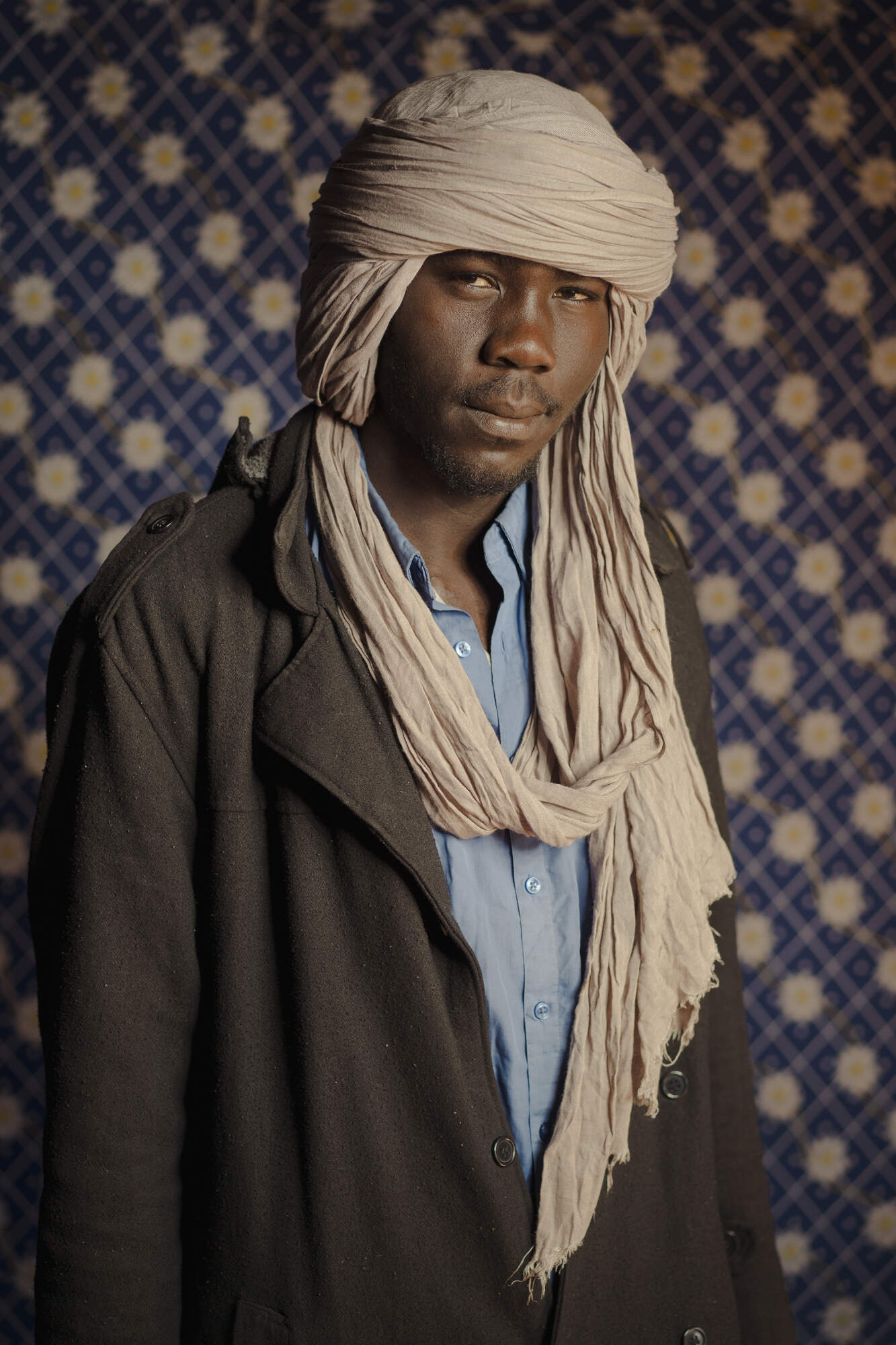
Chami, Mauritania — Abdou Mohamed Abdullah, a young Sudanese man from El Fasher, poses for a portrait. He left Sudan in 2019 and has since travelled across the desert by pickup, passing through Kouri Bougoudi (Chad), Gatroun (Libya), Djado, Tchibarakaten and Arlit (Niger), Tamanrasset (Algeria), Tessalit (Mali) and Chami (Mauritania).

Chami, Mauritania — Ahmed Khalid, a Sudanese man from El Geneina, poses for a portrait. He has travelled through Adré, Kouri Bougoudi (Tchad), Gotroun, Sebha, Tripoli (Libya), Djanet, Ouargia Tamanrasset (Algeria), Ighraban, Kidal, Gao, Tomboctou (Mali), Bassikonou, Nouakchott, Chami (Mauritania)
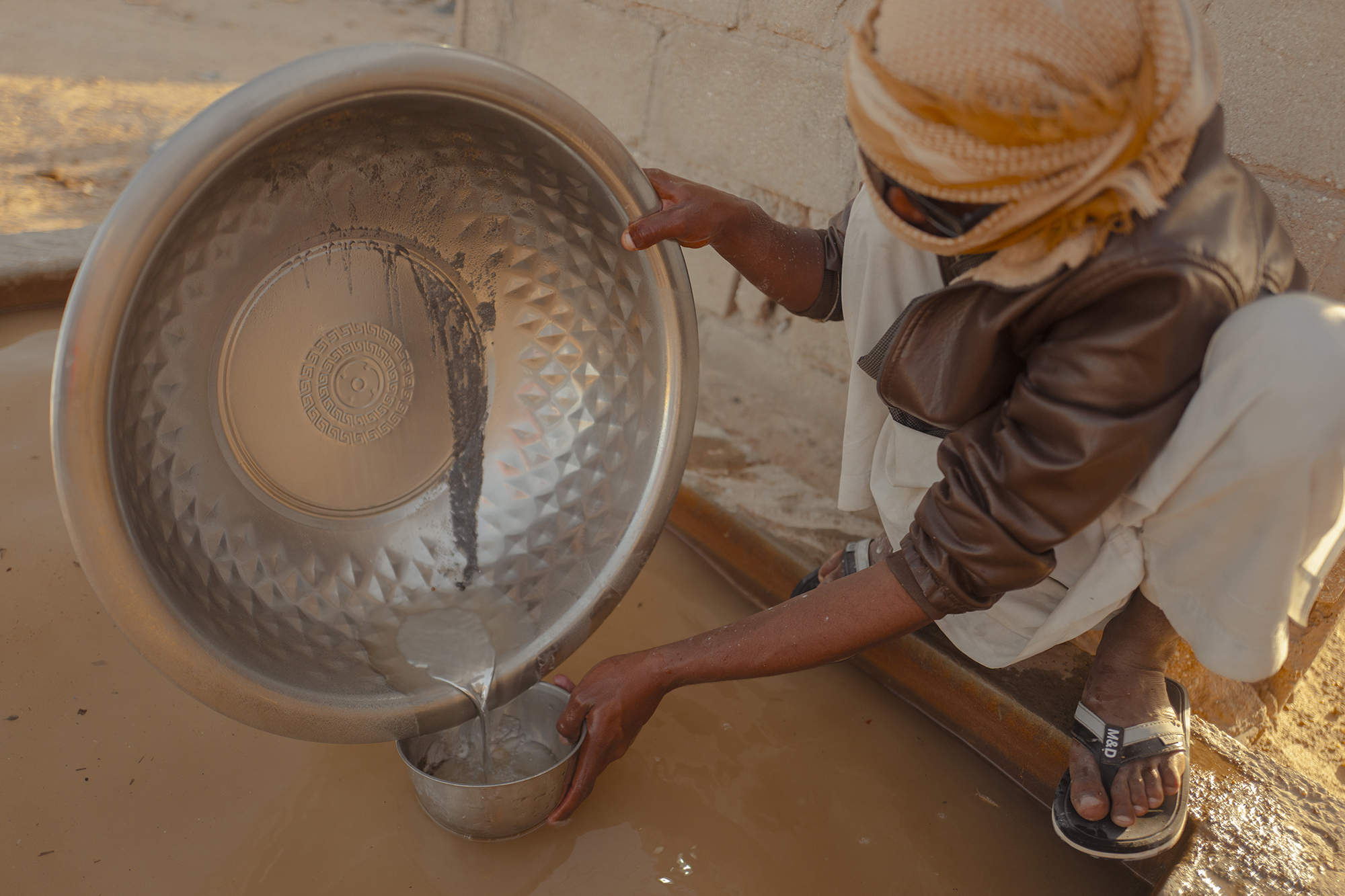
Chami, Mauritania — A man uses liquid mercury to separate gold from sand.
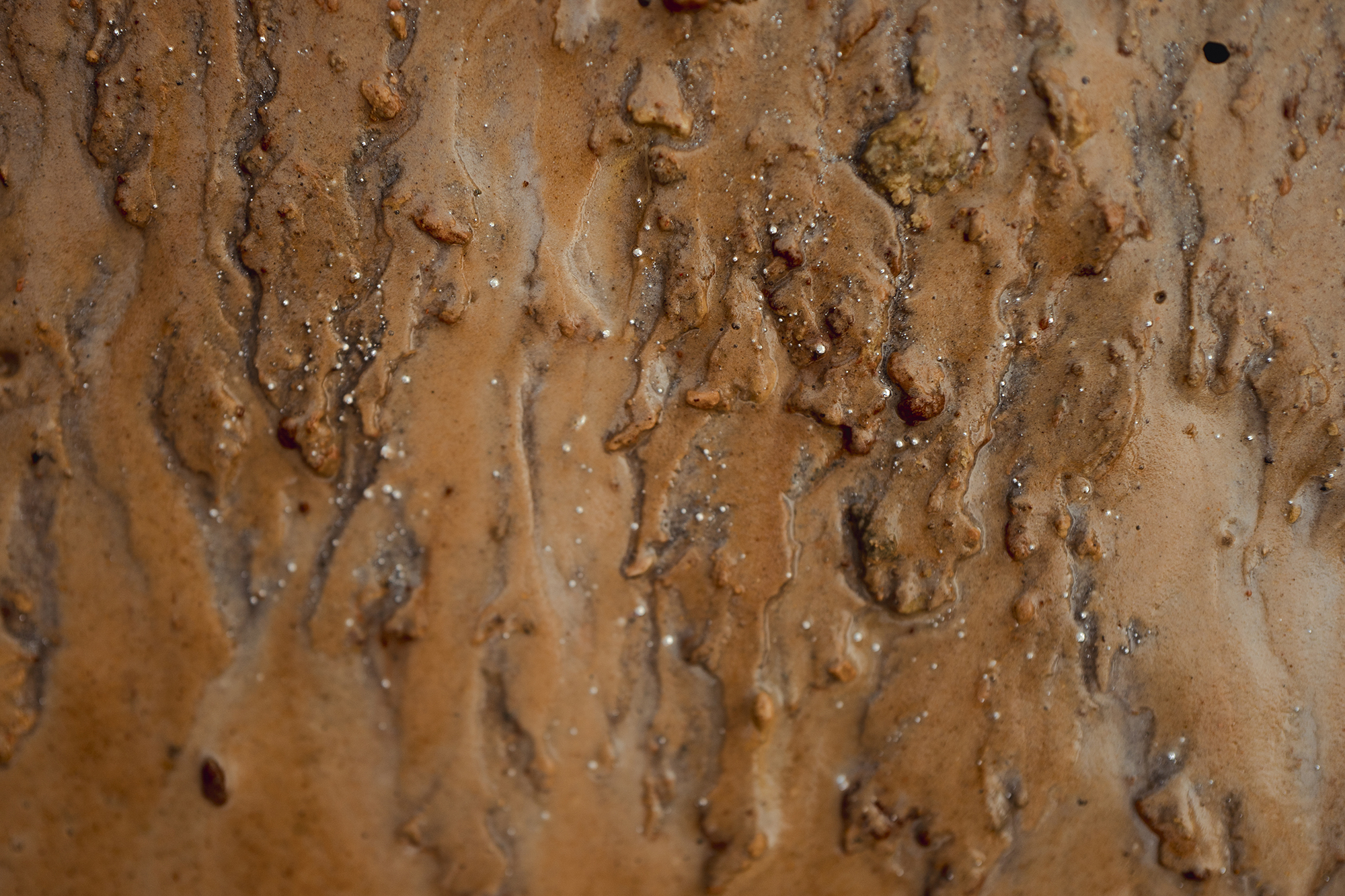
Chami, Mauritania — A macro view of traces of mercury in the sand.
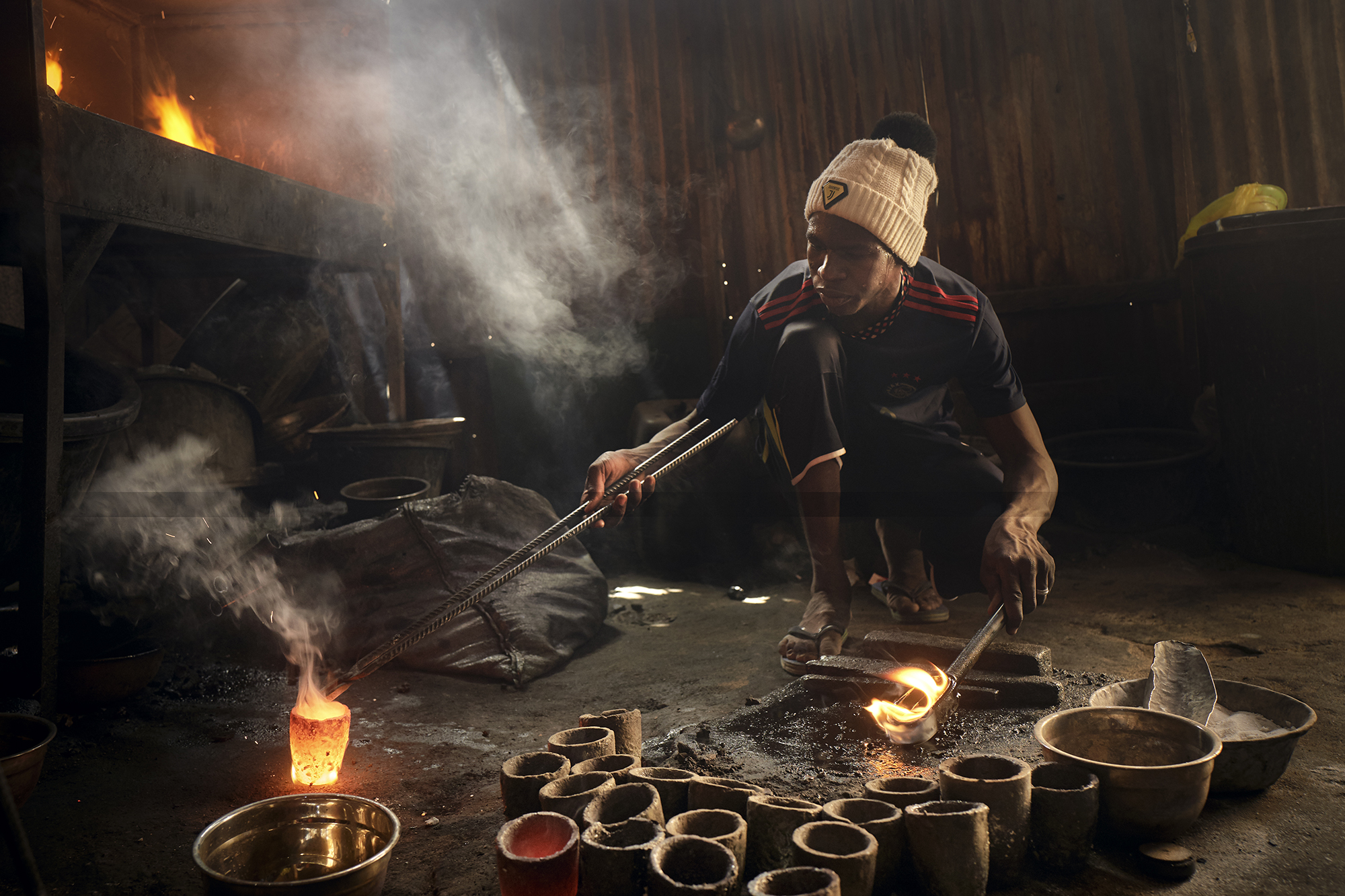
Agadez, Niger — A young man casts gold at a market. After melting, the gold is weighed and its purity is assessed to determine its value.

N’Djamena, Chad — A man arranges gold jewellery on a mannequin in a shop. Gold extracted in the north of the country is often smuggled to Dubai, processed, and reimported as jewellery.
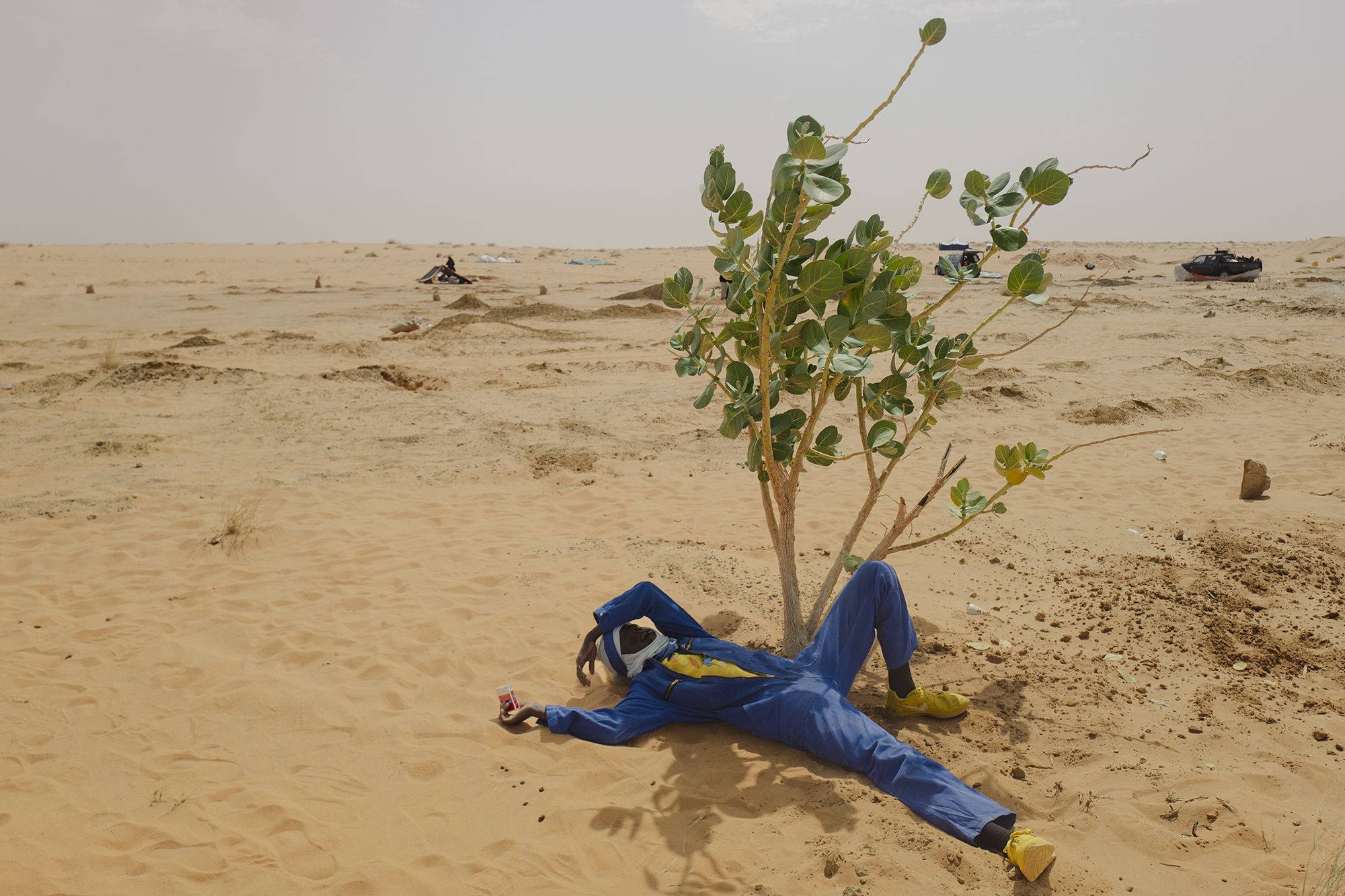
Tamaya, Mauritania — A gold prospector rests in the only available shade.