
I wanted to make visible what society prefers to remain invisible.
Quiulacocha is a visual essay that uses the alchemy of photography as a medium and a metaphor to address the impact of mining on the health of people in Cerro de Pasco, the epicenter of mining activity in Peru and one of the most polluted places in the world.
"I first visited Cerro de Pasco, the oldest mining settlement in Peru, two decades ago," explains Marco. "I have returned more than a dozen times. The city was built amid mountains laden with silver, copper and zinc in a frigid corner of the central Andes, at a dizzying elevation of 4,300 meters. For most of its history, Cerro de Pasco was the crown jewel in Peru’s voracious mining industry, a place where Spanish conquistadors and American magnates made fortunes that trickled down to the city’s wealthy enclaves.
By the time I arrived, on assignment as a photojournalist for a newspaper in the capital Lima, the city had been in decline for decades. The blighted landscape resembled a battlefield. A massive open mining pit spiraled endlessly into the earth, evoking the concentric circles of Dante’s inferno. Along its edge, houses crumbled in abandoned neighborhoods. In others, life went on amid heaps of toxic waste, offering a dystopian glimpse of a future of environmental ruin.
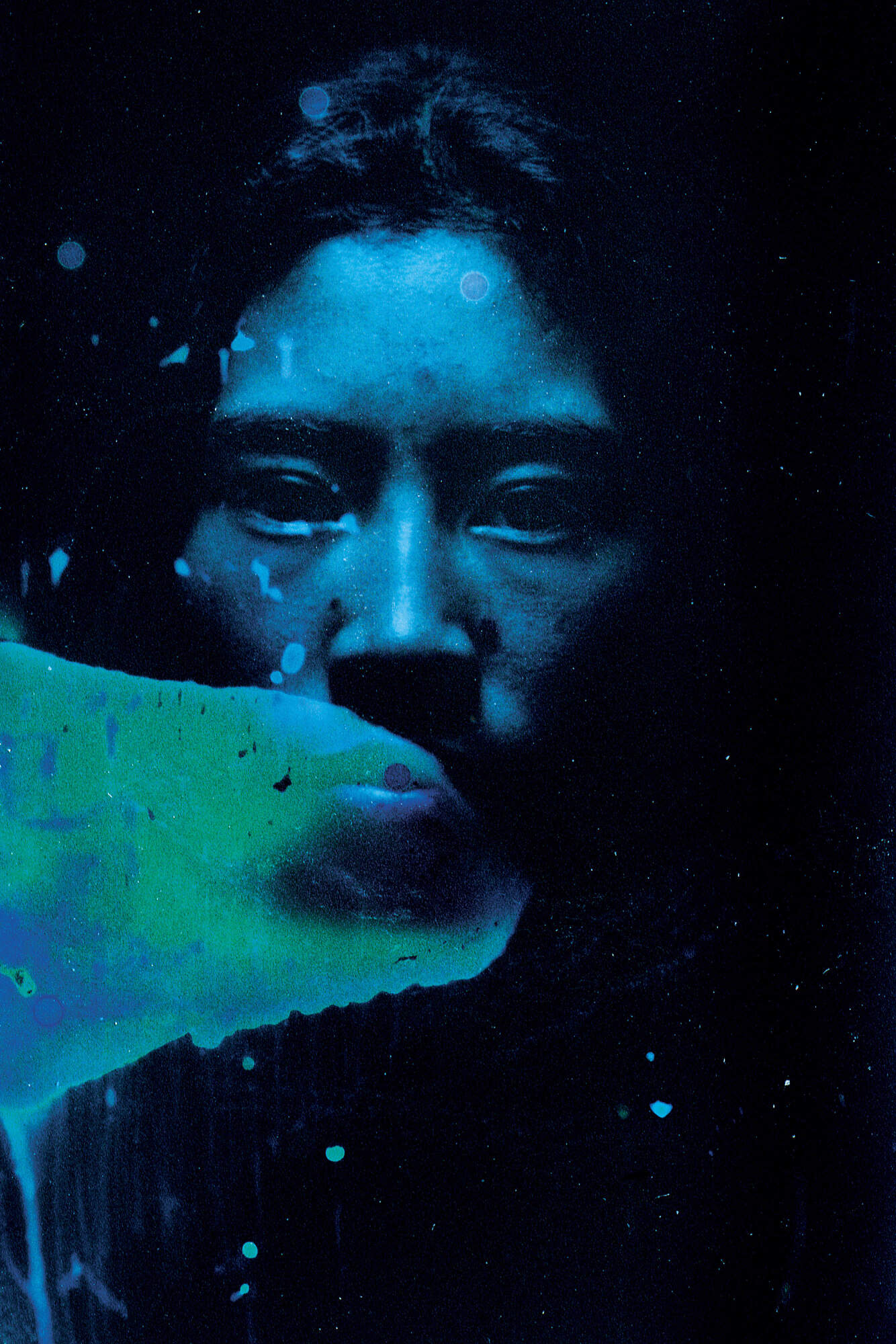
Peru. Cerro de Pasco. Sherli Castaneda in lives in the 'Jose Carlos Mareategui' shantytown. She complains about aches and a listlessness that she struggles to describe. When she said she was sick, no one believed her. But one day Sherli’s nose started bleeding and it bled so much, so relentlessly, that her parents took her to a hospital in Lima. “Your daughter has chronic myeloid Leukemia,” the doctors told her mother. “What’s that,” she asked.

Film developed with water from the Quiulacocha mining waste deposit in Cerro de Pasco, Peru. Quiulacocha was a natural lake before it was turned into an unlined deposit in the 1950s. Today Quiulacocha contains 13 metals in levels way over the permitted limits for water: Cadmium, Arnsenic, Mercury, Zinc, Copper, Nickel, Aluminium, Beryllium. Borom, Cobalt, Iron, Manganese and Selenium.
I soon learned the city was home to clusters of sick children. They suffered from stunted growth, leukemia, debilitating learning disabilities and daily nose bleeds. Parents said the mine was polluting their blood. Eventually. Health authorities found hundreds of children had unsafe levels of lead, arsenic and mercury running through their veins. But that did little to change their situation. Families have had to fight for access to even basic health care for their children. Doctors ask them to move away to avoid the source of pollution, but few can afford to leave the city for good.

Peru. Cerro de Pasco. Farmer with his sheep next to Quiulacocha lake. Many animals in the grazing area in Cerro de Pasco suffer from problems due to environmental contamination because the pastures and rivers contain high concentrations of heavy metals.

Panoramic of the Quiulacocha mining waste deposit, a former lake in Cerro of Pasco, Peru. For years, polluting mining waste was dumped, making it one of the largest and most dangerous environmental liabilities in Peru. Latest studies have found heavy metals such as aluminum, arsenic, barium, boron, cadmium, cobalt, copper, chrome, tin, iron, manganese, mercury, niquel, lead, selenium, zinc.

Film developed with water from the Quiulacocha mining waste deposit in Cerro de Pasco, Peru. Analysis by NGO Source International showed that the waters of Lake Quiulacocha contained exorbitant amounts of three of the most harmful metals and metalloids: 275 time the limit for Cadmium, 63 times the limit for Arsenic, 34 times the limit for Mercury. Other metals sush as Zinc were up to 45,000 times the limit.

Portrait of 50-year-old Norma Cabanillas who lives in the Jose Carlos Mareategui shantytown in the mining city Cerro de Pasco, Peru. She describes her most debilitating symptom as a pressure in her chest and the pit of her gut that leaves here weak and fatigued. She believes the three decades she has lived in Cerro de Pasco is what has made her sick. No one in her family is unscathed, her husband, her seven children and her four grandchildren all suffer from one ailment or another: nose bleeds, fainting spells and seizures.
Cerro de Pasco embodies a paradox at the heart of mining in Peru. Mining powers the national economy, but it also devastates life in places where it takes place. Centuries of mining have turned much of Cerro de Pasco into a toxic waste site. The ongoing search for metals in dwindling deposits keeps the city alive, even as it locks in more pollution for the future. Each time I visited Cerro de Pasco, the gaping pit in the middle of it grew a little bigger and the list of sick children a little longer. And yet, most Peruvians were unaware of their cases.
I got the idea for this project at Lake Quiulacocha in Cerro de Pasco. Named in Quechua for the Andean gulls that once flocked to its shores from the Pacific coast, no sign of life survives in it today. Instead, puffs of foam crown orange waters that soak more than 600,000 cubic meters of mining waste left behind by the mine’s operators, including the U.S. company Cerro de Pasco Copper Corporation and the state-owned Centromin Perú S.A. The heavy metals that seep into the watershed at the unlined bottom of the lake read like a list of toxic substances: lead, mercury, cadmium, arsenic, aluminum, boron, copper, cobalt, iron, manganese, selenium.

Panoramic of the Quiulacocha mining waste deposit, a former lake in Cerro of Pasco, Peru. For years, polluting mining waste was dumped, making it one of the largest and most dangerous environmental liabilities in Peru. Latest studies have found heavy metals such as aluminum, arsenic, barium, boron, cadmium, cobalt, copper, chrome, tin, iron, manganese, mercury, niquel, lead, selenium, zinc.

14 year old Josué Tolentino livesin the 'Jose Carlos Mareategui' shantytown in the mining city Cerro de Pasco. For all his health problems – uropathy, lumbago, Gynecomastia, nosebleeds, headaches, arsenic poisoning and exposure to lead – Josué takes one treatment: paracetamol. The health centre gives him dozens of paracetamols when his head, back waist or legs ache, or when his nose starts streaming blood. He has learning difficulties but says he would like to be a doctor or and engineer one day.
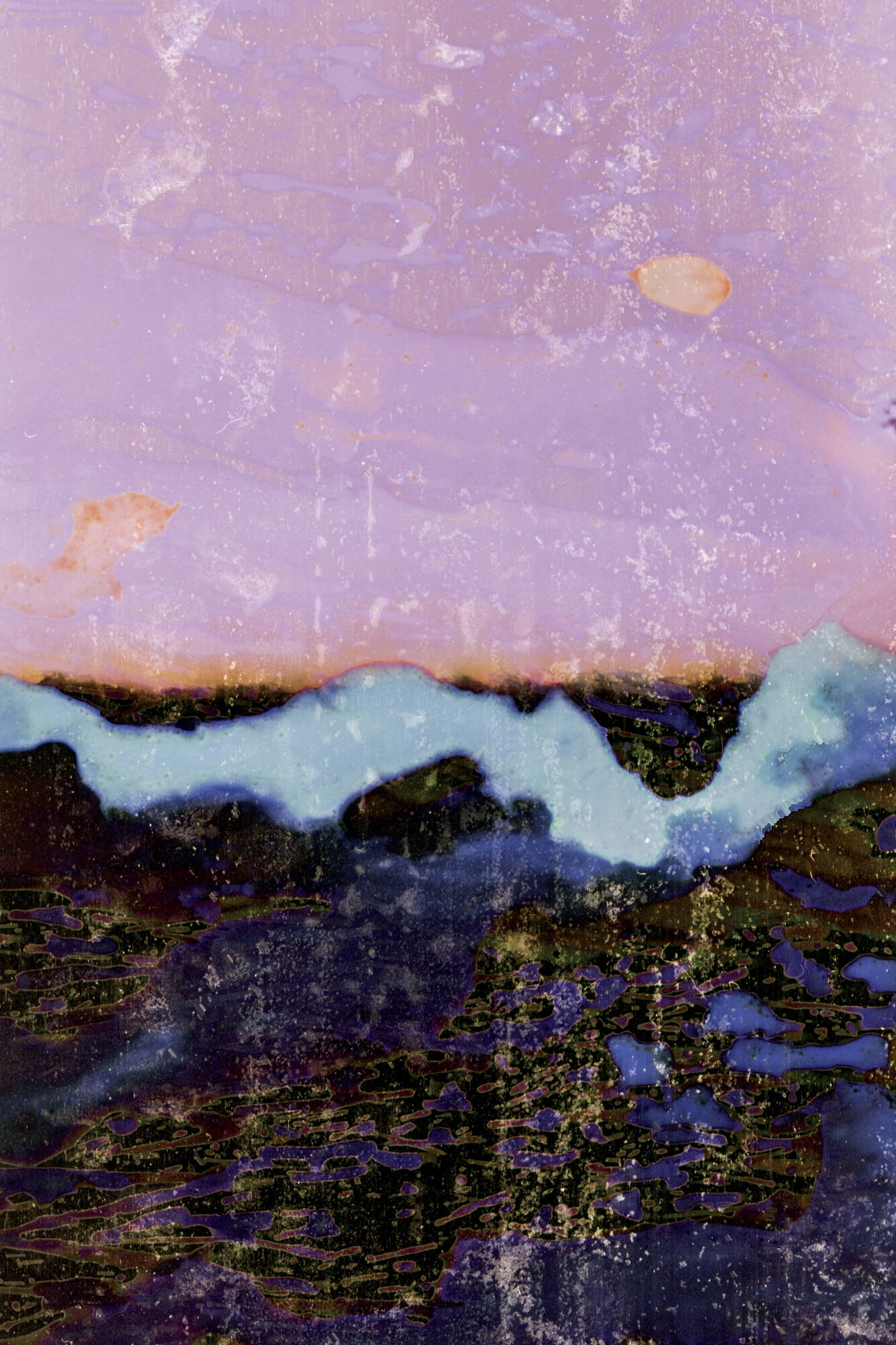
Film developed using water from the Quiulacocha mining waste deposit in Cerro de Pasco. Quiulacocha was a natural lake before it was turned into an unlined waste deposit in the 1950s. Various studies have found that Quillacocha's water contains high concentrations of several heavy metals.
Three years ago, I started collecting samples of water from Lake Quiulacocha to use in developing photographs I take in Cerro de Pasco. The acidic liquid produces stains and hues that manifest unpredictably across faces and landscapes, mimicking the indelible imprint of pollution on life. It was—and is—an attempt to expose the corrosive impacts of mining on people and the environment that aren’t always evident—to make visible what society prefers remain invisible.
Mining pollution is such a widespread problem in Peru that it is rarely covered in local media. Thousands of contaminated sites are on a waiting list for clean-up. Health impacts can take years to manifest, and often go unnoticed. Even today, despite growing awareness of the problem, authorities have done little to support the sick children of Cerro de Pasco. I still wonder if it is possible to truly transmit their plight in a visceral way through photography.
I’ve taken thousands of pictures in Cerro de Pasco, which still proudly calls itself “the capital of mining in Peru.” Some neighborhoods I once walked through are now rubble. Some of the children I profiled are now young adults who still struggle with chronic and incurable illnesses. One has died. This is a sample of what I have witnessed. An attempt, perhaps insufficient, to reflect the true cost of mining.

Sheep drink water from the Ragra River in Cerro de Pasco, Peru. Many animals in the grazing area of Cerro de Pasco drink water from the Ragra River, which flows from the Quiulacocha mining waste deposit.

Cerro de Pasco, Peru. View of the open cast mine

Film developed using water from the Quiulacocha mining waste deposit in Cerro de Pasco. Quiulacocha was a natural lake before it was turned into an unlined waste deposit in the 1950s. Various studies have found that Quillacocha's water contains high concentrations of several heavy metals. From 'Quiulacocha', a visual essay that uses photographic alchemy as a medium and metaphor to address the impact of mining on the health of people in the mining city of Cerro de Pasco, the epicenter of mining activity in Peru and one of the most polluted places in the world.

Anahy Macuri in the Jose Carlos Mareategui shantytown in the mining city Cerro de Pasco, Peru. Every time her nose bleeds she feels a little afraid. “I’m afraid of dying’” she says in a high pitched almost inaudible voice. Sometimes she wakes to find her face covered in red blood. She vomits once or twice a week. At the health centr in Paragsha she was told she has gastritis. She isn’t a great student; she has a hard time understanding her lessons or forgets them quickly.
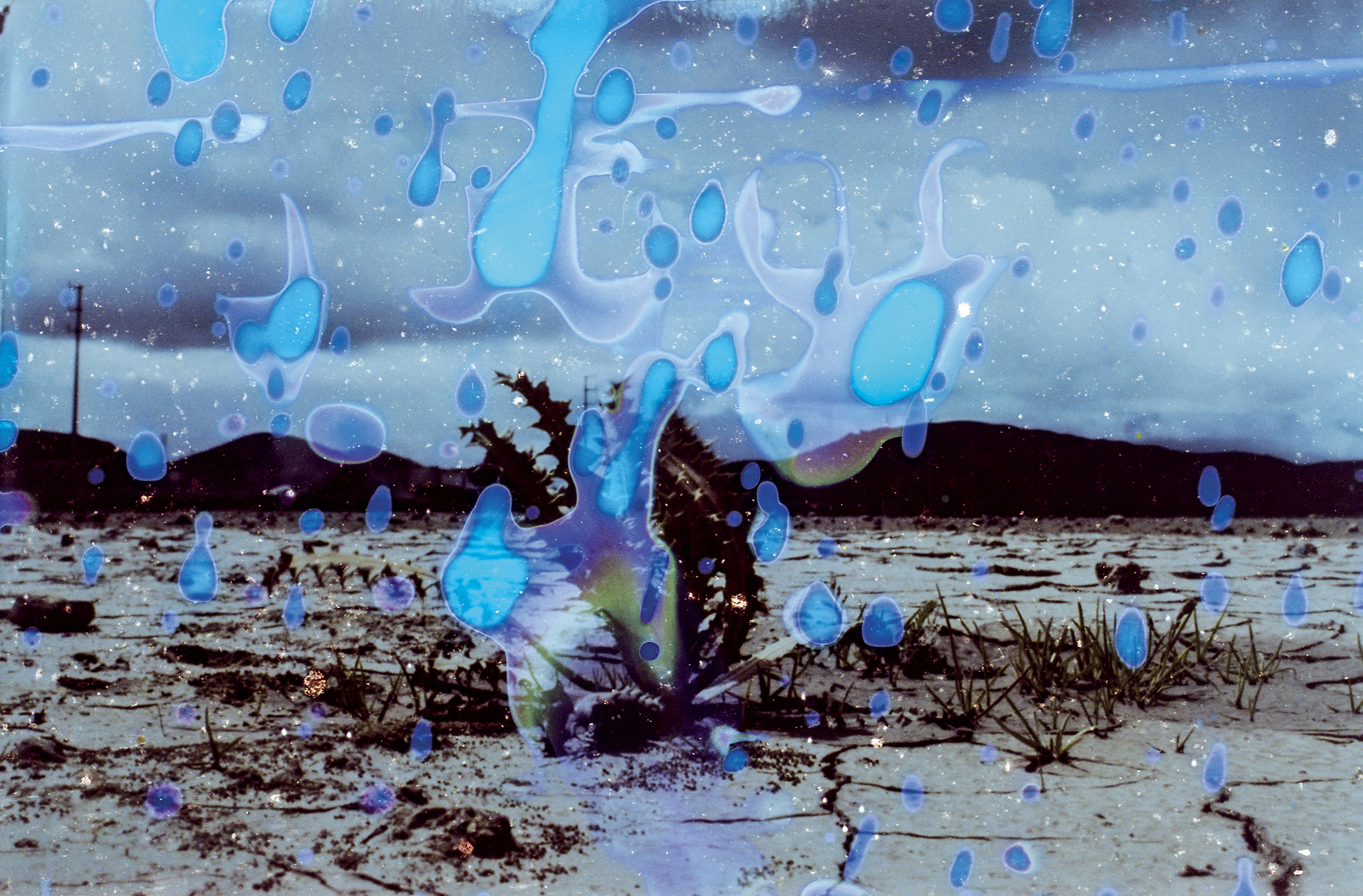
‘Quiula’ means gull in Quechua; and ‘cocha’ means lake. However, this body of water has served as a deposit of mining tailings since the 1940’s. 2022

Portrait of 80-year-old Juan Panez in his sheep corral next to the Quiulacocha mining waste deposit, a former lake in Cerro de Pasco, Peru, 2022. Juan Panez has witnessed how a natural lagoon turned into a source enviorement pollution lagoon that is causing major environmental pollution problems in Cerro de Pasco.

A boy looks through a fence that separates the mining company from the town. For years, cases of children with blood contamination have been reported. From 'Quiulacocha', a visual essay that uses photographic alchemy as a medium and metaphor to address the impact of mining on the health of people in the mining city of Cerro de Pasco, the epicenter of mining activity in Peru and one of the most polluted places in the world.

Patricia Gutierrez (23 years old) in the Quiulacocha community in Cerro de Pasco. Patricia has to spend most of her life lying down. When she was 2 years old her legs began to waste away and shortly after she stopped being able to walk. When she was four years old she was found tohave high levels of lead in her blood. Now in her 20s she acts like a young girl and spends her days ling in bed watching La Rosa de Guadalupe TV novelas on her phone. Just a few metres from her house, Lake Quiulacocha glows an intense orange

Film developed using water from the Quiulacocha mining waste deposit in Cerro de Pasco. Quiulacocha was a natural lake before it was turned into an unlined waste deposit in the 1950s. Various studies have found that Quillacocha's water contains high concentrations of several heavy metals.
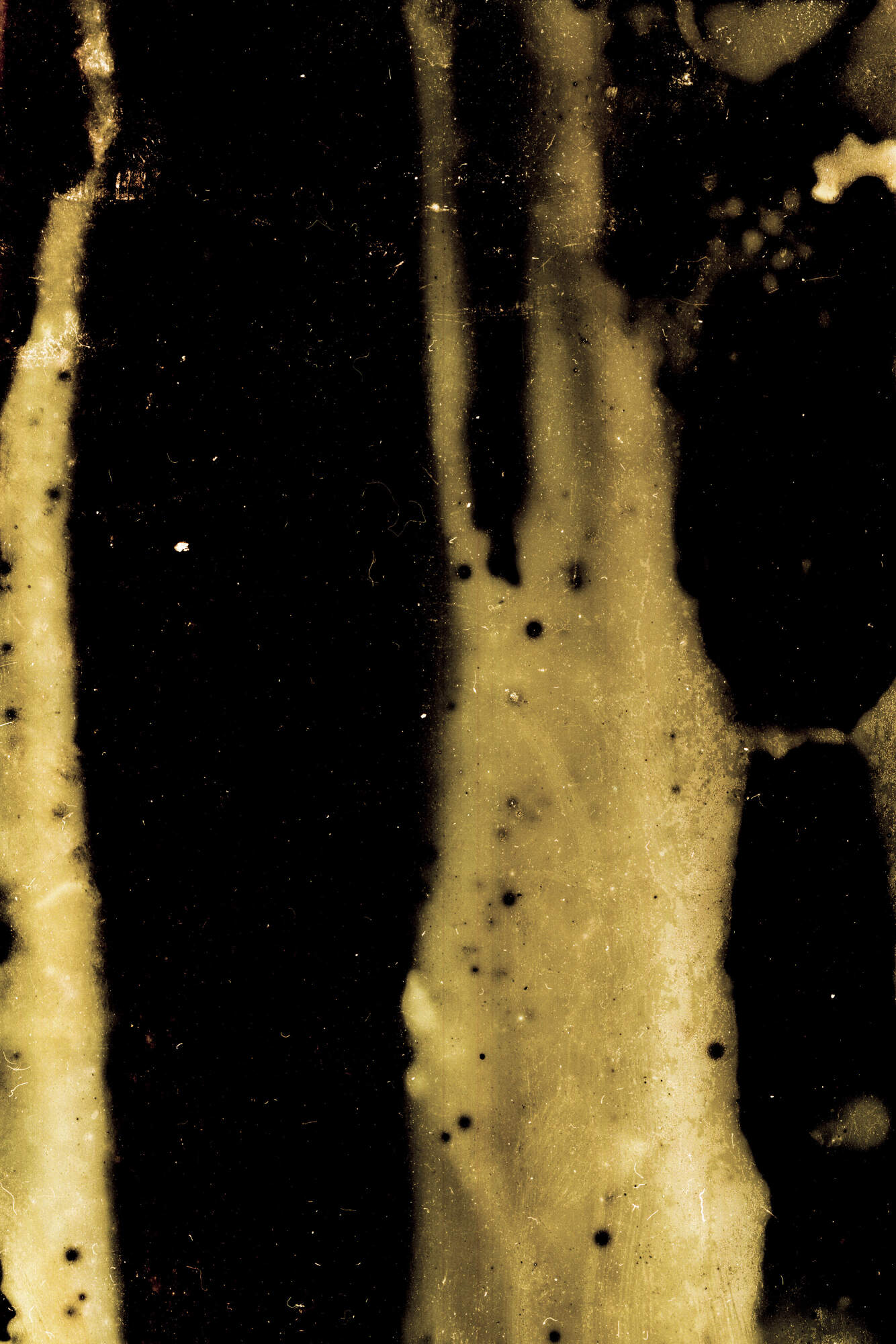
Film developed using water from the Quiulacocha mining waste deposit in Cerro de Pasco. Quiulacocha was a natural lake before it was turned into an unlined waste deposit in the 1950s. Various studies have found that Quillacocha's water contains high concentrations of several heavy metals. From 'Quiulacocha', a visual essay that uses photographic alchemy as a medium and metaphor to address the impact of mining on the health of people in the mining city of Cerro de Pasco, the epicenter of mining activity in Peru and one of the most polluted places in the world.

Cristopher Fabian in the 'San Juan Pampa' shantytown in the mining city of Cerro de Pasco. Cristopher is one of hundreds of children in the city who have high levels of heavy metals in their bodies and who suffer from health problems.

Many animals feed on pastures that receive contaminants. 2022
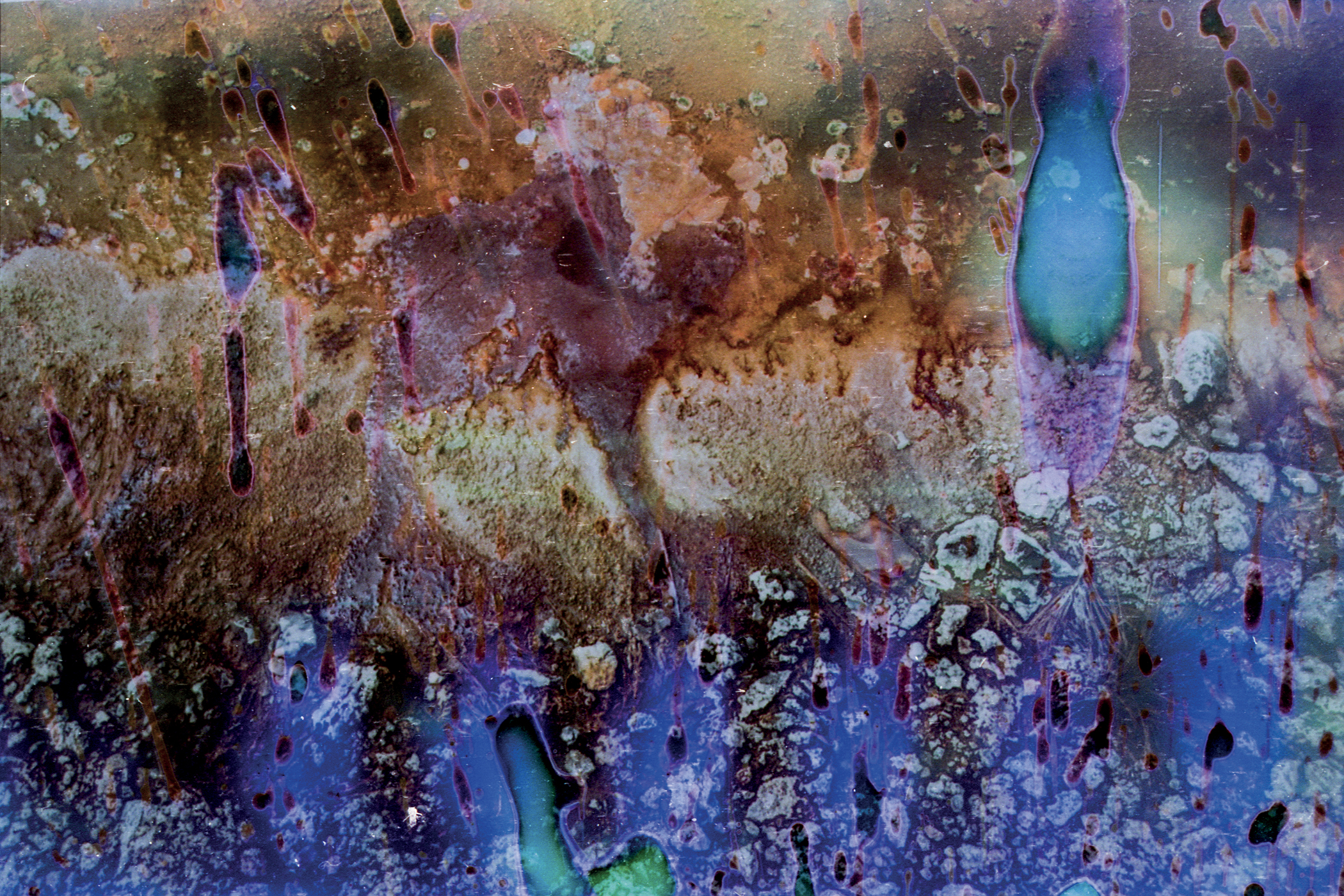
Detail of the land of Quiulacocha Lake. 2022
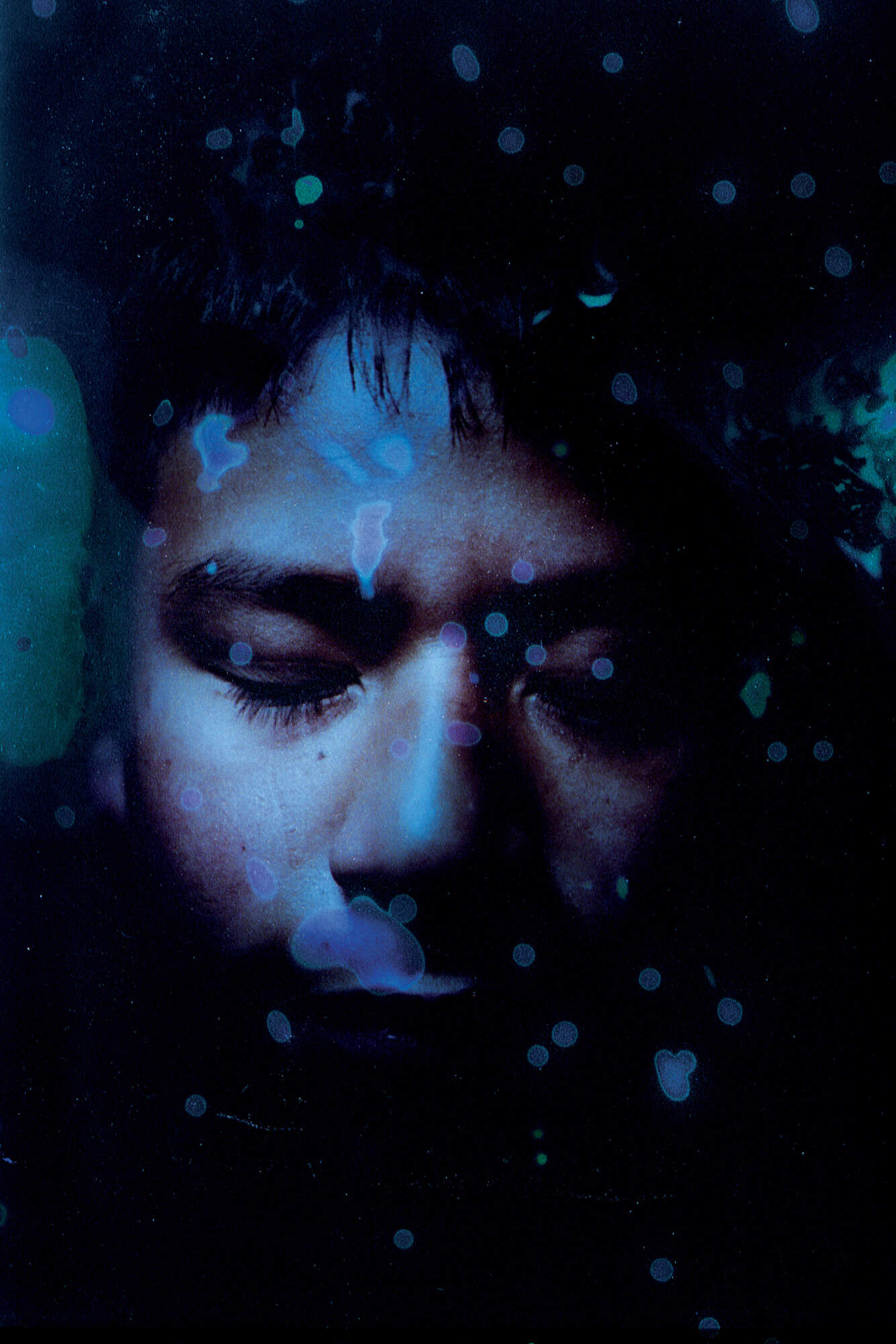
Deyvit Callupe (5 years old) lives in 'Los Proceres', a shantytown in the mining city Cerro de Pasco. Deyvit’s mother says that during her pregnancy her son’s hearbeat was faint, sometimes imperceptible. She had prenatal checkups every other day. During the first months of his life he cried so hard he would lose consciousness. The doctors diagnosed him with a heart murmur. As her grew older he stopped passing out but lost the hearing in his left ear. His mother would like to study a profession: she says that at least that way she would know how to defend her son.
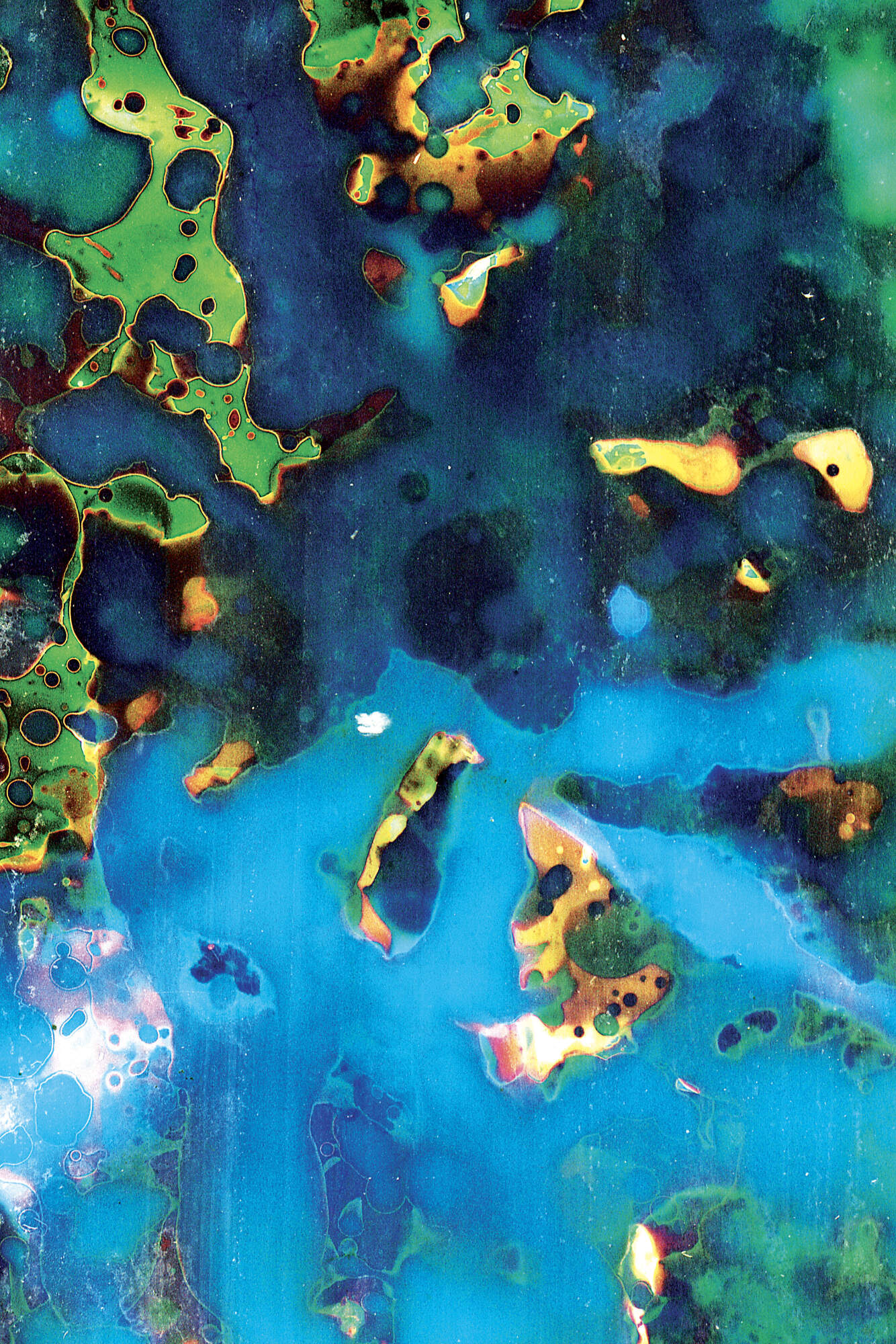
Film developed using water from the Quiulacocha mining waste deposit in Cerro de Pasco. Quiulacocha was a natural lake before it was turned into an unlined waste deposit in the 1950s. Various studies have found that Quillacocha's water contains high concentrations of several heavy metals. From 'Quiulacocha', a visual essay that uses photographic alchemy as a medium and metaphor to address the impact of mining on the health of people in the mining city of Cerro de Pasco, the epicenter of mining activity in Peru and one of the most polluted places in the world.
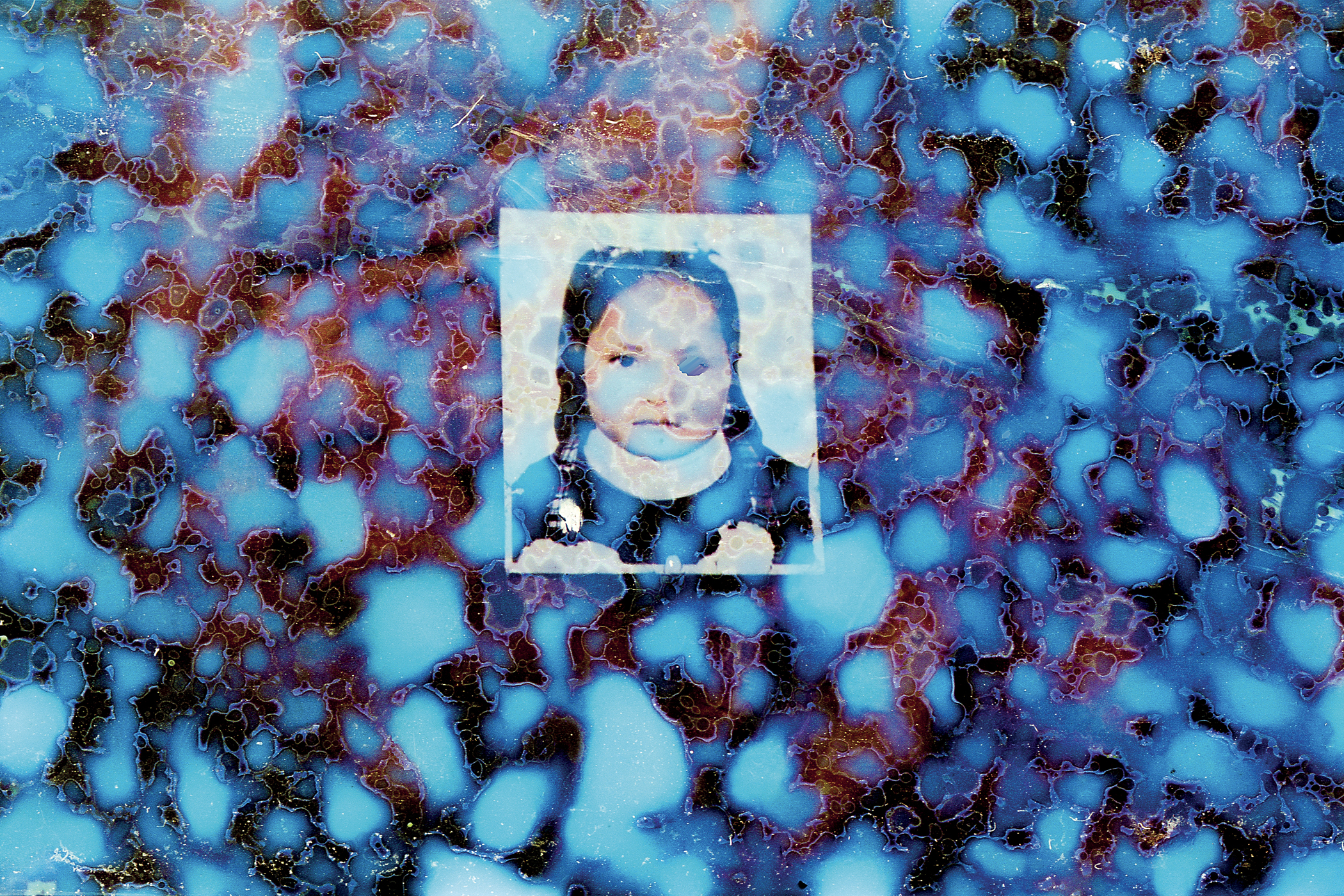
This is Esmeralda Martín Añasco. She is one of hundreds of children in Cerro de Pasco who was found to have high levels of lead in her blood. She suffered from a disease that affects blood production in bone marrow. When she was 12, (2021) she died as her family tried to rush her to a hospital in Lima, seven hours away.