
Sudan is facing the world’s largest humanitarian crisis – a crisis largely ignored and under reported by the global community. (In the time Mads Nissen was in the country he saw no foreign journalists). War between the government army and the Rapid Support Forces (RSF) militia has divided the country in two. Despite three years of fighting, no one looks like a winner. Front lines shift, cities changes hands, and rockets and shells strike towns across the country. The only thing that can be said with certainty is that the civilians are losing.
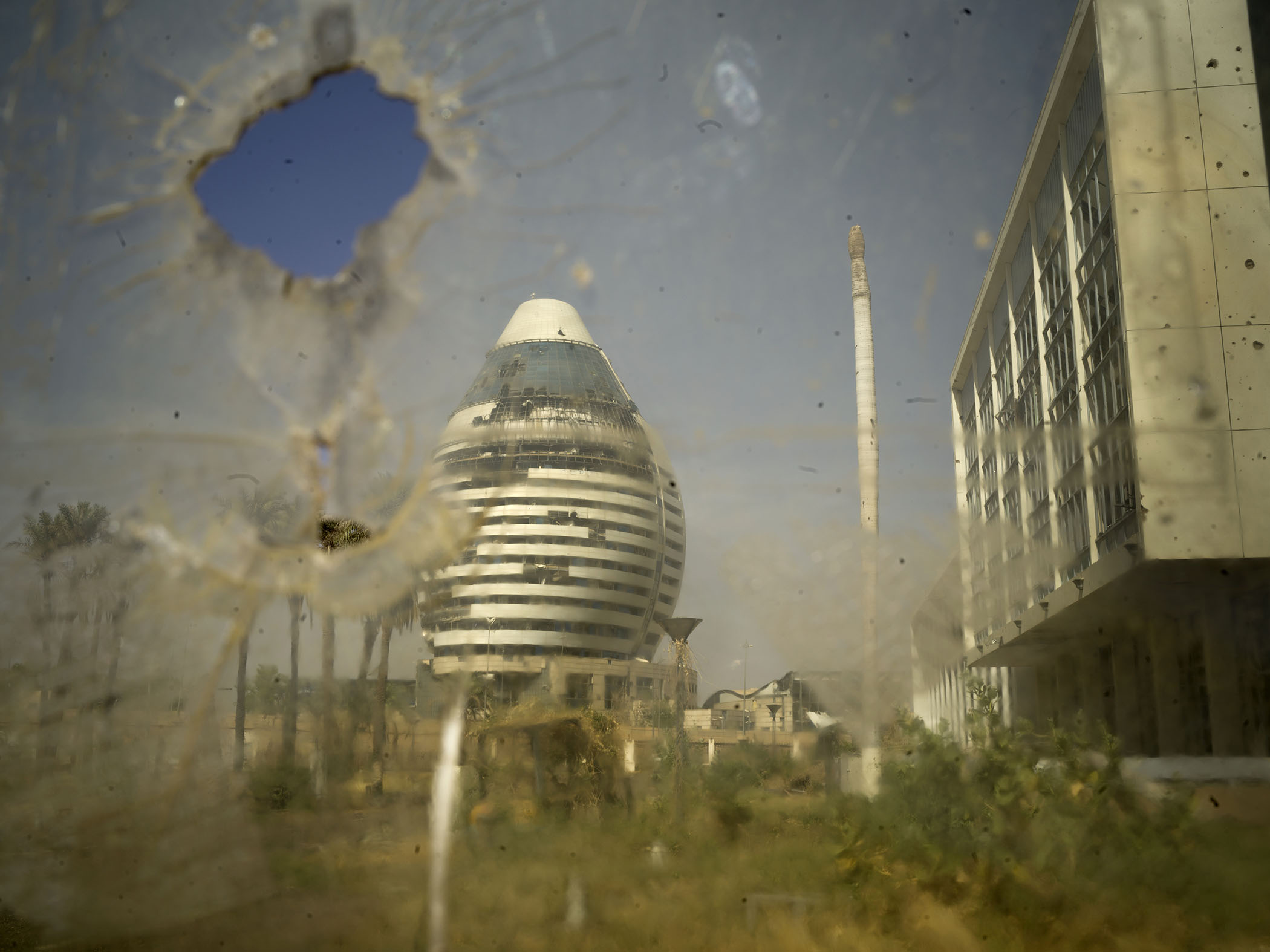
Corinthia Hotel Khartoum. Khartoum, Sudan’s war-scarred capital at the confluence of the Blue and White Nile rivers, is showing tentative signs of recovery after years of devastating conflict. Once the epicentre of fierce fighting between the rival military forces SAF and RSF, the city suffered widespread destruction and mass displacement. Today, as security gradually improves in parts of the capital, residents are beginning to return, businesses are reopening, but the shadow of the war is always present.
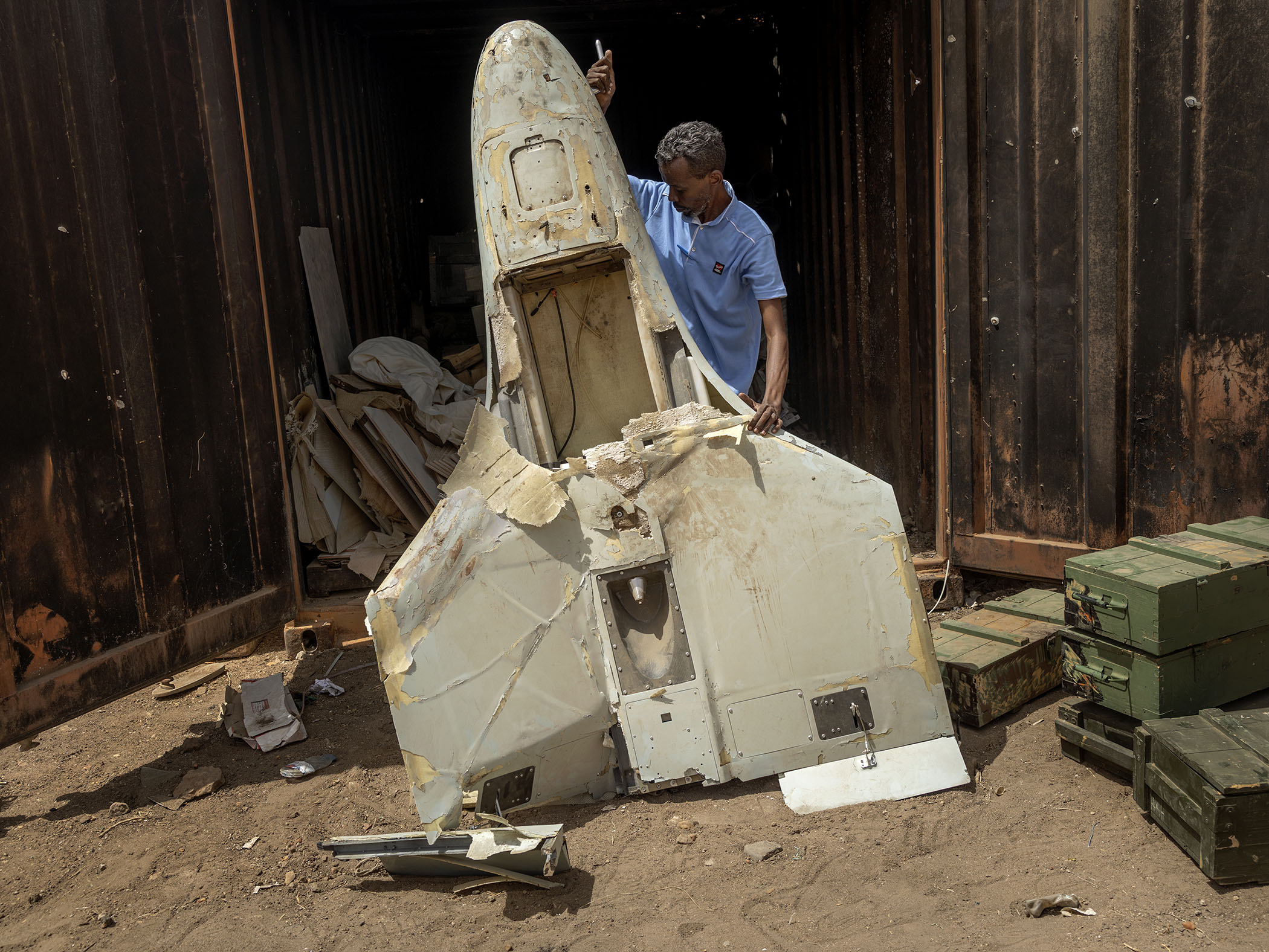
At a Sudanese Armed Forces (SAF) military base, a military employee displays a drone that SAF officials claim was manufactured in China, financed by the United Arab Emirates, and used by the RSF militia during Sudan’s ongoing civil war. Khartoum, Sudan’s war-scarred capital at the confluence of the Blue and White Nile rivers, is showing tentative signs of recovery after years of devastating conflict.
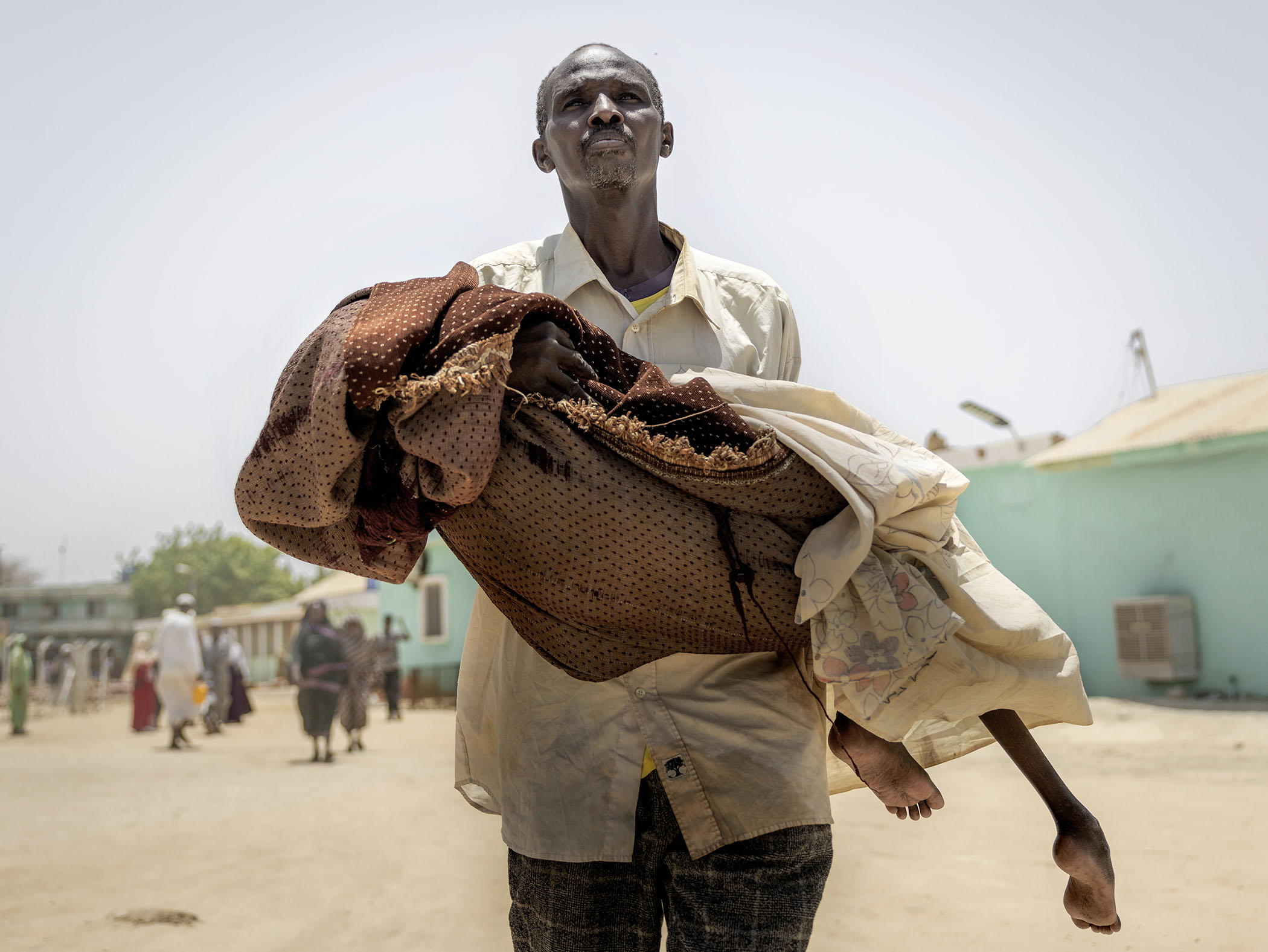
Newly arrived at Goz al-Salam IDP camp in Kosti, Sudan - Malik Ahmed Tahir, 40 yrs old, carries his 16 year old daughter Aisha weighing only 21 kilograms. Aisha's family spent five months fleeing conflict around the city of Kadugli before reaching the camp, where they arrived with little food and no access to medical care. By the time aid workers met her, Aisha had not eaten for two weeks and was severely dehydrated. She was transported to a clinic and later transferred to a hospital in Kosti, where doctors diagnosed kidney failure linked to dehydration and malnutrition. Her condition illustrates the impact of Sudan’s humanitarian crisis on some of the country’s most vulnerable civilians. Aisha passed away on June 2nd 2026.
The war is more than an internal dispute between the Sudanese government forces and the rebel Rapid Support Forces (RSF) both of whom are accused of gross human rights abuses and war crimes. Sudan is the victim of a proxy war fought between rival Middle Eastern powers over natural resources: gold and land. Gold has provided a lifeline to jihadists and military juntas across the Sahel. In the case of Sudan agricultural land is the ultimate goal. It has the potential to be one of the biggest food producers in Africa.
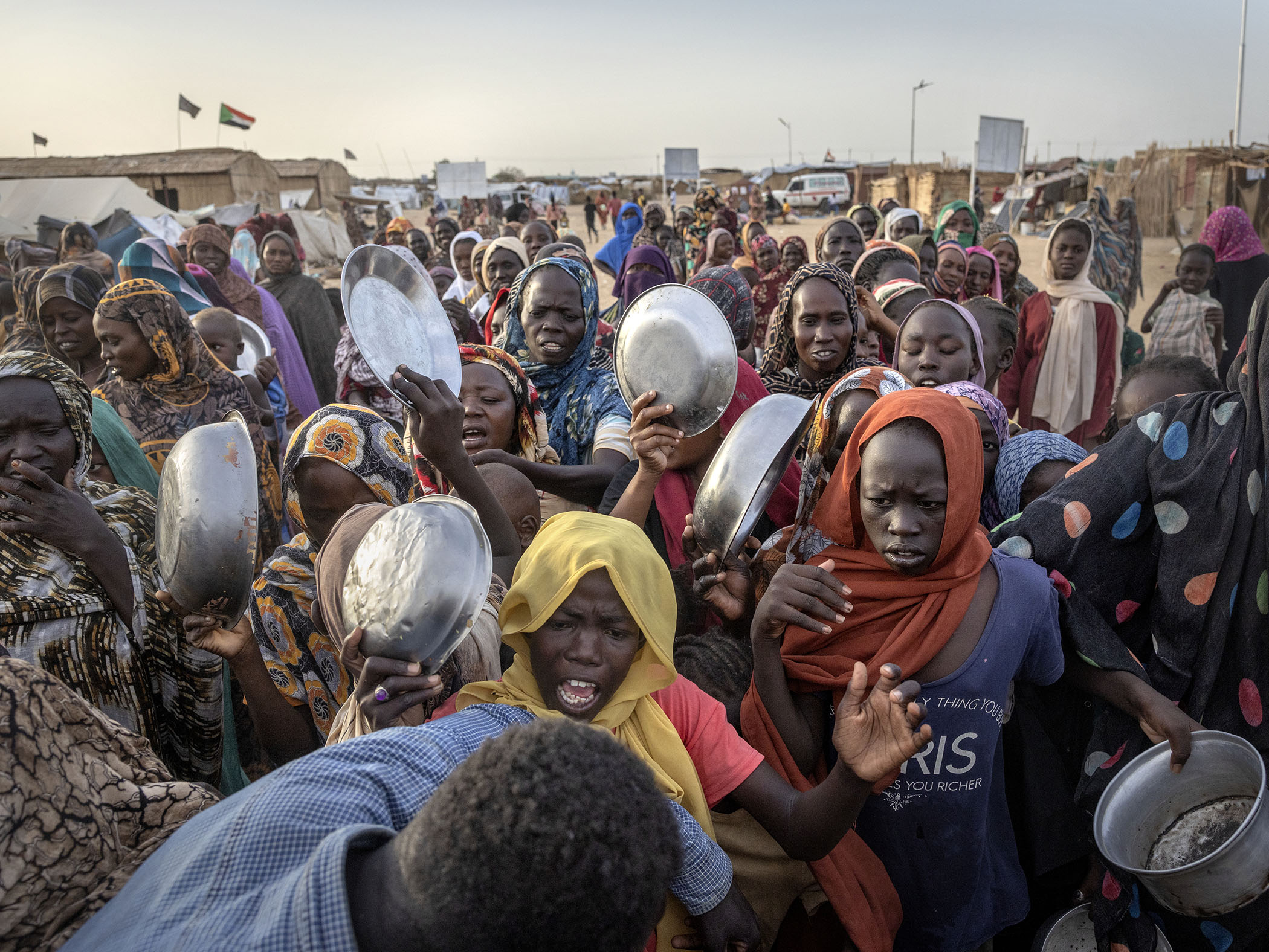
A private donor hands out food, but there is far from enough. Food and clean water are in short supply in Goz Al-Salam refugee camp. Many newly arrived families have not yet received aid, while overcrowding and limited resources leave thousands dependent on irregular food distributions and limited humanitarian assistance. Kosti, a city on the banks of the White Nile in south-central Sudan, has become a critical refuge and transit hub for hundreds of thousands of people displaced by conflict in Darfur, Kordofan, and neighboring South Sudan. The city hosts several settlements for displaced families, including the Goz Al-Salam camp, one of the largest and most significant displacement sites in the region. The camp is home to an estimated 20,000–30,000 people, many of whom have fled violence, insecurity, and humanitarian crises in their places of origin.
The conflict is being described as a civil war, but it could just as easily be called a war against the Sudanese people and democracy.
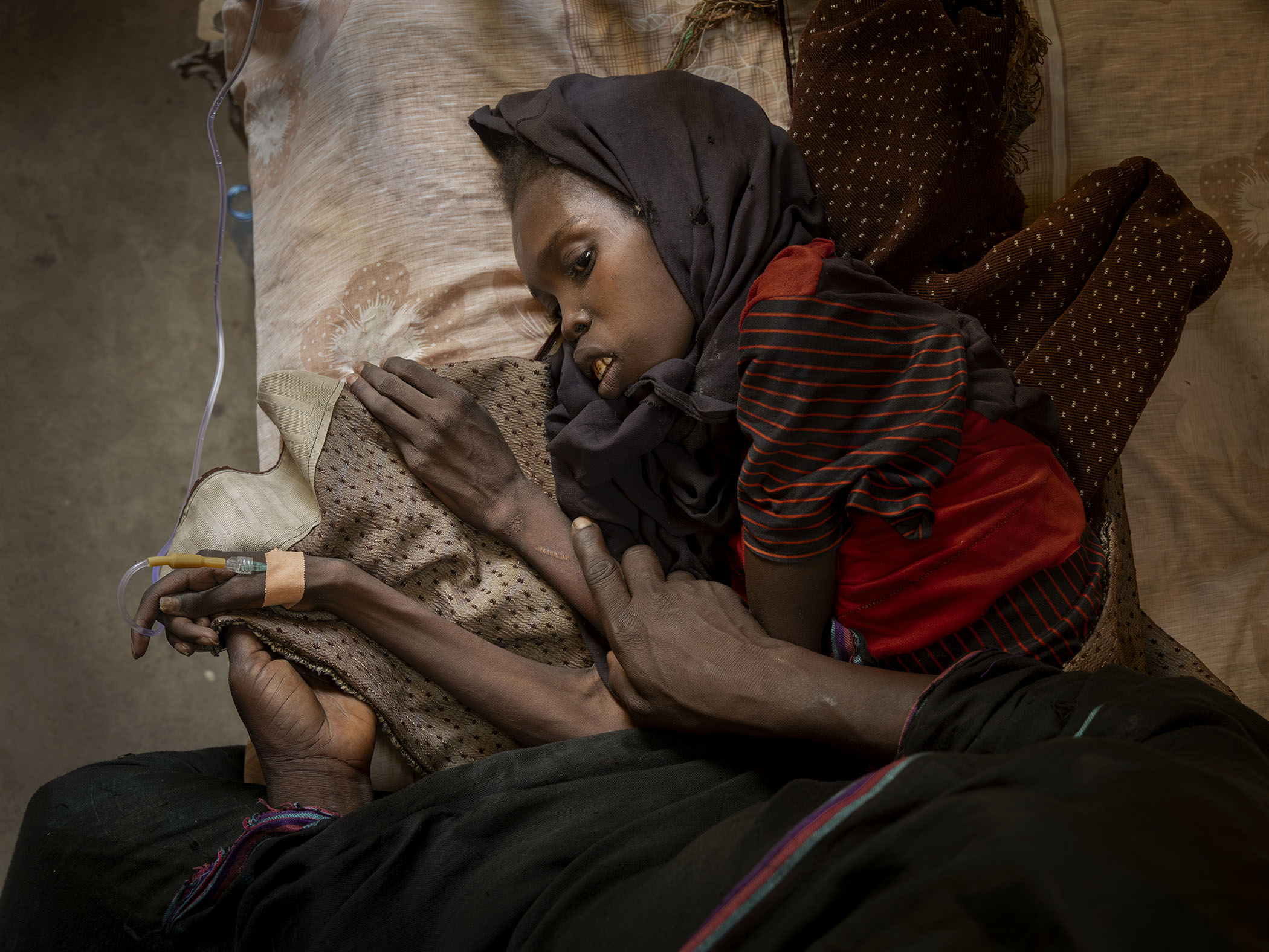
Goz Al-Salam IDP camp. Kostii, Sudan. 16 year old Aisha Tahir, only 21 kilograms. Aisha's family spent five months fleeing conflict around the city of Kadugli before reaching the camp, where they arrived with little food and no access to medical care. By the time aid workers met her, Aisha had not eaten for two weeks and was severely dehydrated. She was transported to a clinic and later transferred to a hospital in Kosti, where doctors diagnosed kidney failure linked to dehydration and malnutrition. Aisha passed away on June 2nd. 2026.
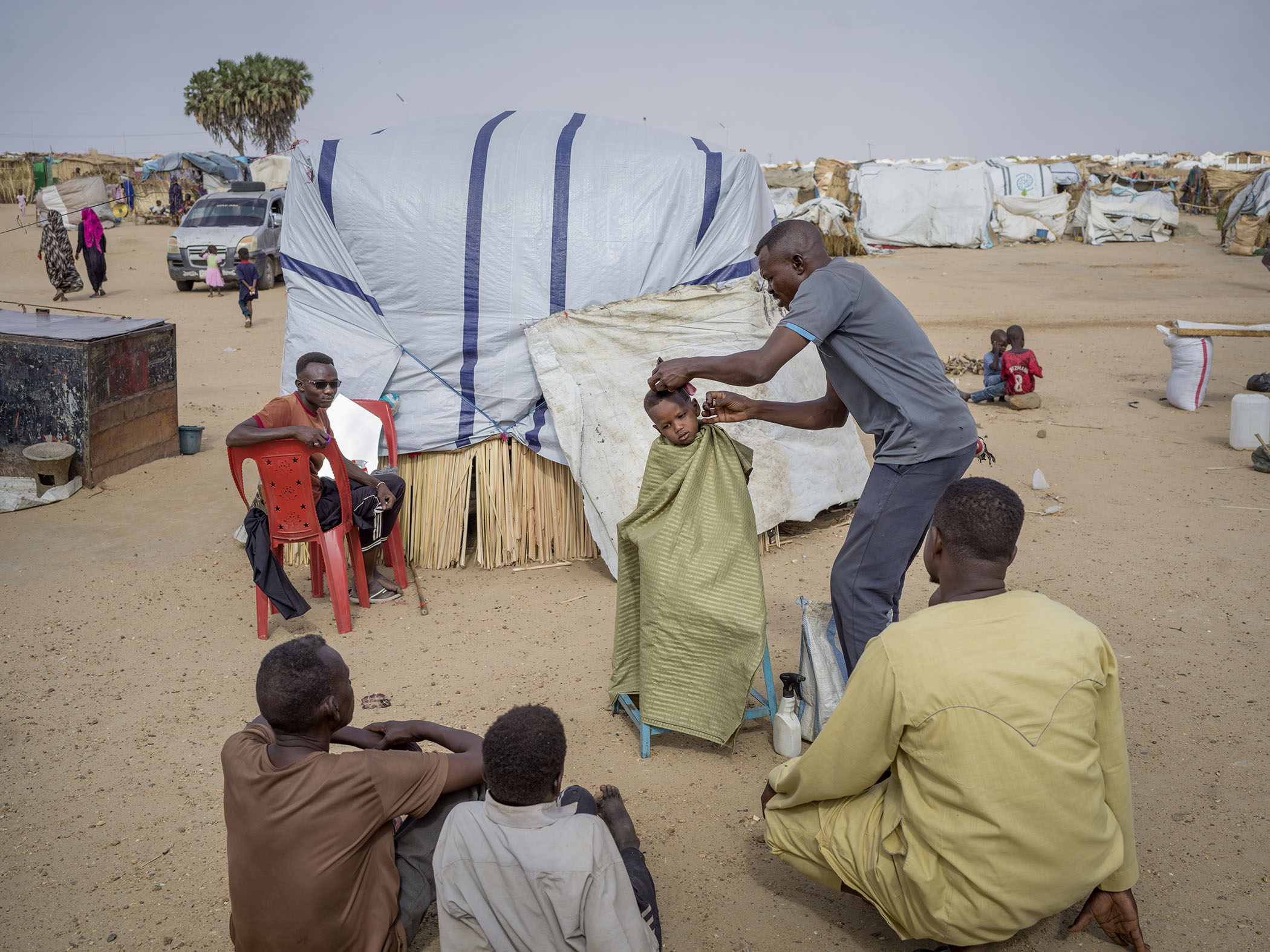
A barbershop in the Goz Al-Salam IDP camp. Kosti, a city on the banks of the White Nile in south-central Sudan, has become a critical refuge and transit hub for hundreds of thousands of people displaced by conflict in Darfur, Kordofan, and neighboring South Sudan.
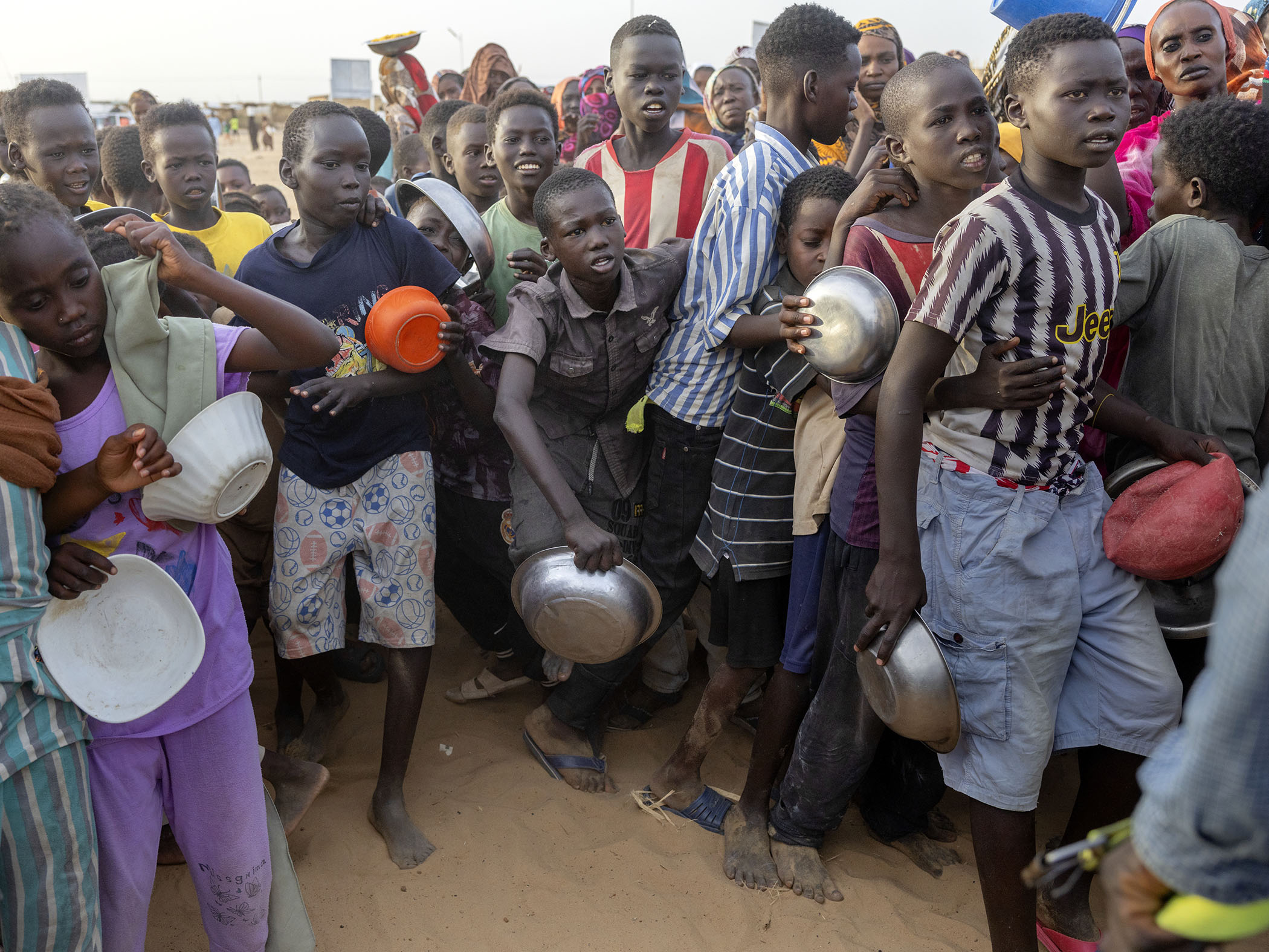
A private donor hands out food, but there is far from enough. Food and clean water are in short supply in Goz Al-Salam refugee camp. Many newly arrived families have not yet received aid, while overcrowding and limited resources leave thousands dependent on irregular food distributions and limited humanitarian assistance.
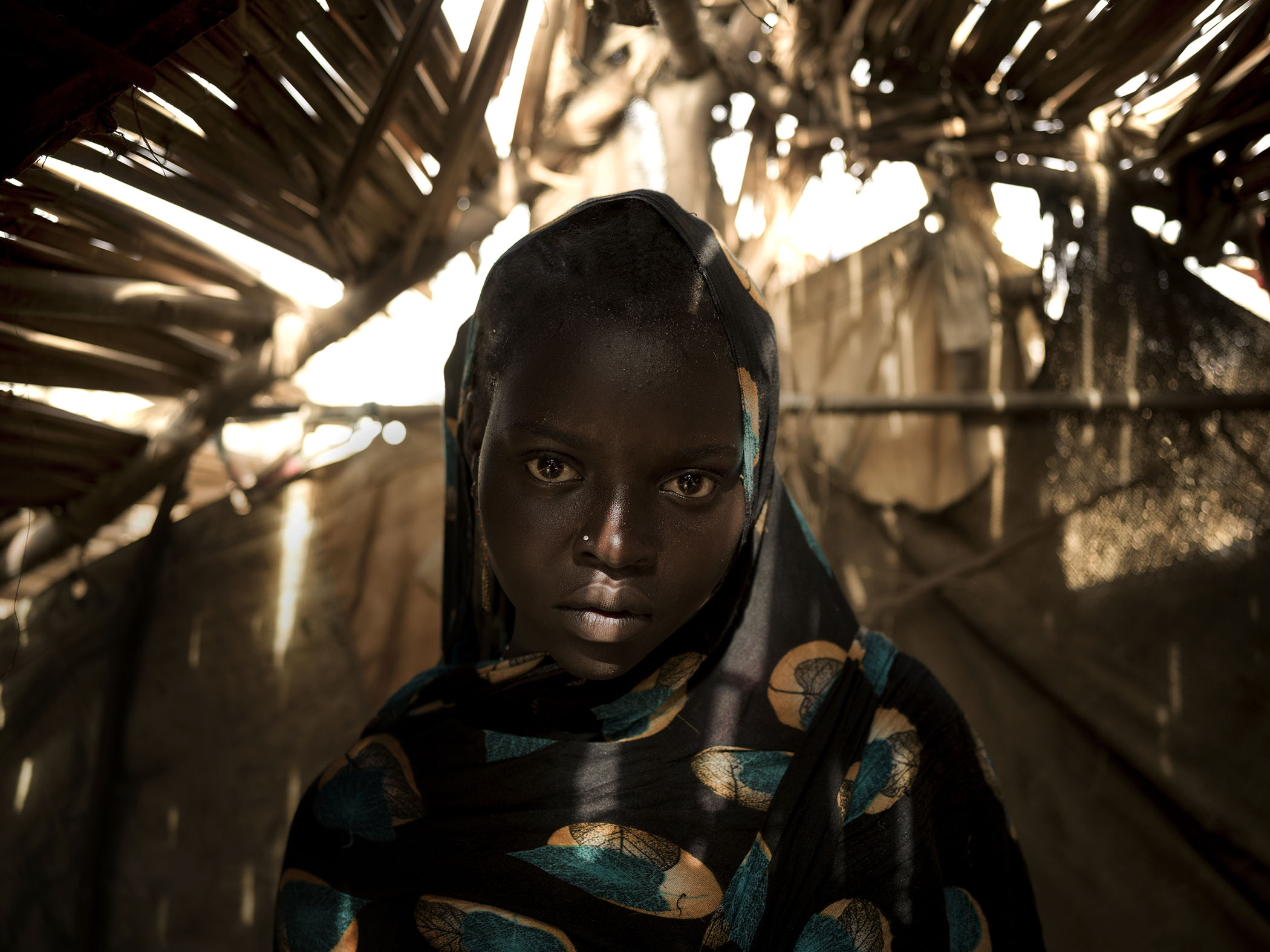
Gwahir, 16 year old, in her family's improvsed shelter in the Goz Al-Salam camp. Kosti, a city on the banks of the White Nile in south-central Sudan, has become a critical refuge and transit hub for hundreds of thousands of people displaced by conflict in Darfur, Kordofan, and neighboring South Sudan.
Working with a journalist from the Danish newspaper Politiken and Sudanese journalist Marwah Alamin, Mads reported from Khartoum, left a burnt out shell after being occupied by the RSF - the city was retaken by the government last year and is slowly rebuilding – and an IDP camp in Kosti (300km south of Khartoum) where thousands of people displaced by the war are living with little in the way of humanitarian aid. There is no doubt that Trump’s cuts to USAID have had a direct impact on the provision of assistance to Sudan. While in Kosti they witnessed food being distributed by a local philanthropist but very little being provided by international aid agencies. There are first hand accounts by many of those he photographed of their experiences of living through the war , including rape victims, child soldiers and citizens of Khartoum who are now trying to rebuild their lives.
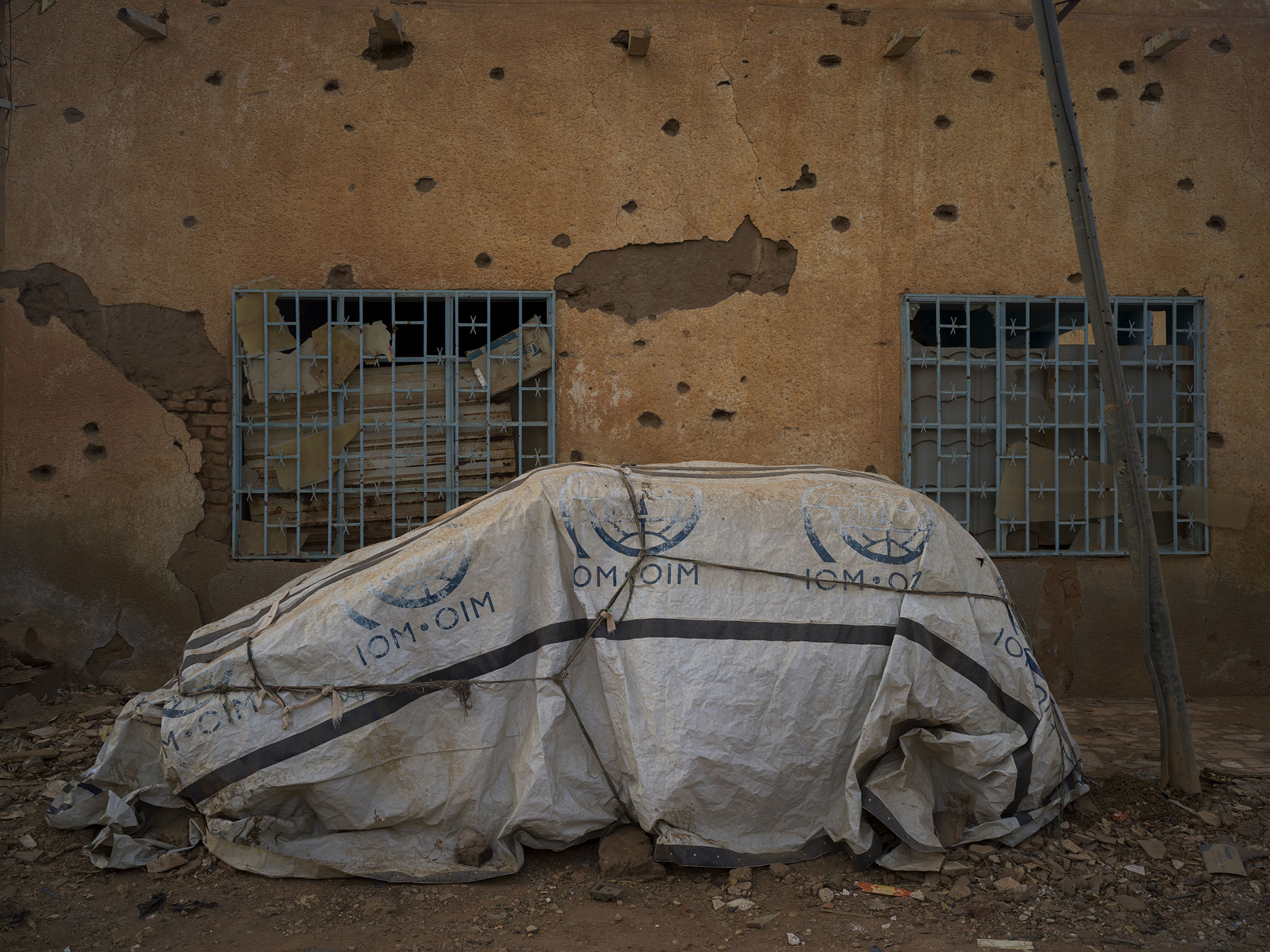
Khartoum, Sudan’s war-scarred capital at the confluence of the Blue and White Nile rivers, is showing tentative signs of recovery after years of devastating conflict. Once the epicentre of fierce fighting between the rival military forces SAF and RSF, the city suffered widespread destruction and mass displacement.
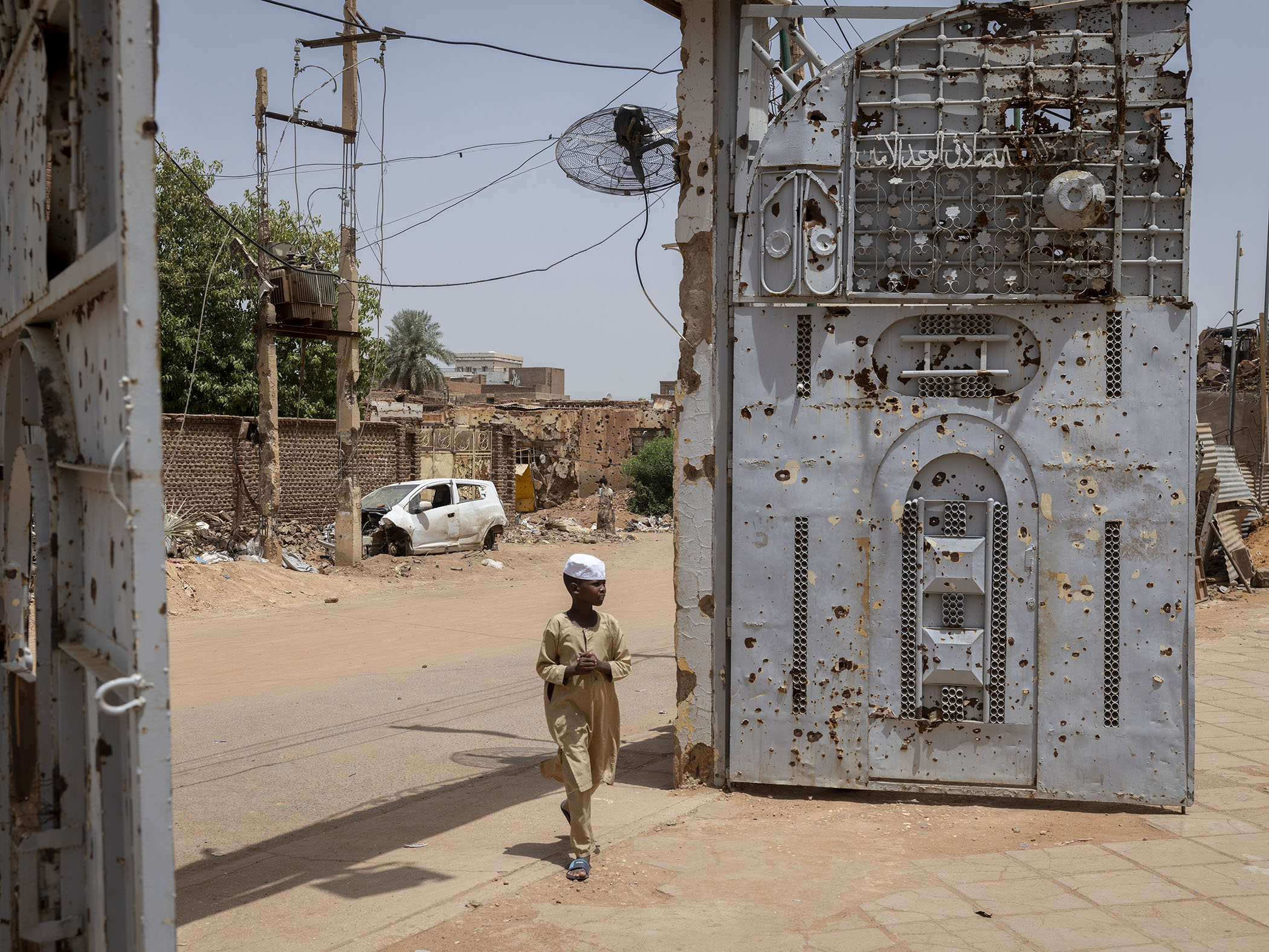
El-Sheek Gareeb-Allah mosque in Khartoum was the scene of some of the fiercest fighting of the war. Although life is slowly returning back the devastation remains extensive.
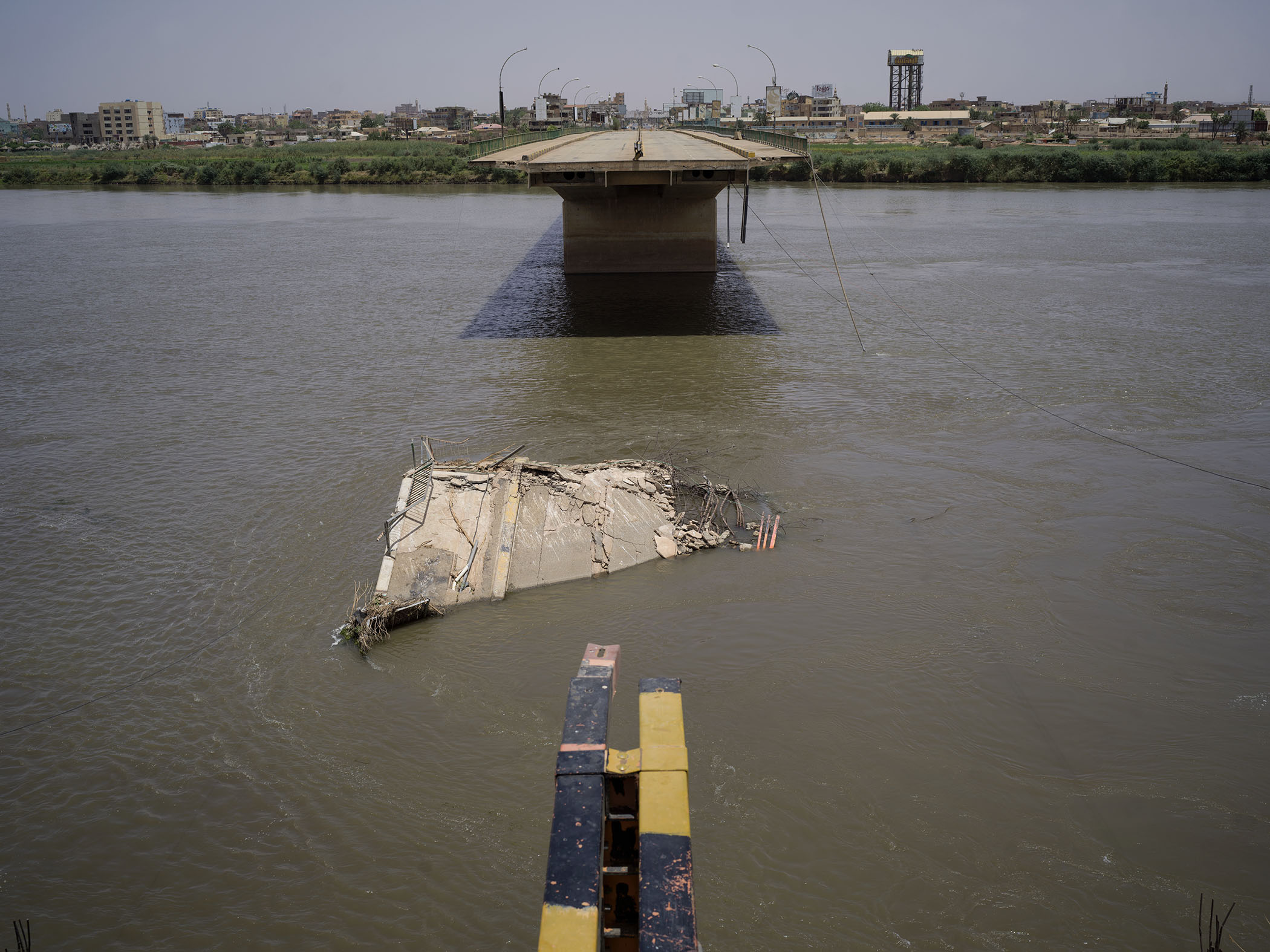
The remains of Shambat Bridge stretch across the Nile after the crossing was destroyed during the battle for Khartoum. Once a vital link between Khartoum Bahri and Omdurman, the bridge became a strategic target in the war. Khartoum, Sudan’s war-scarred capital at the confluence of the Blue and White Nile rivers, is showing tentative signs of recovery after years of devastating conflict.
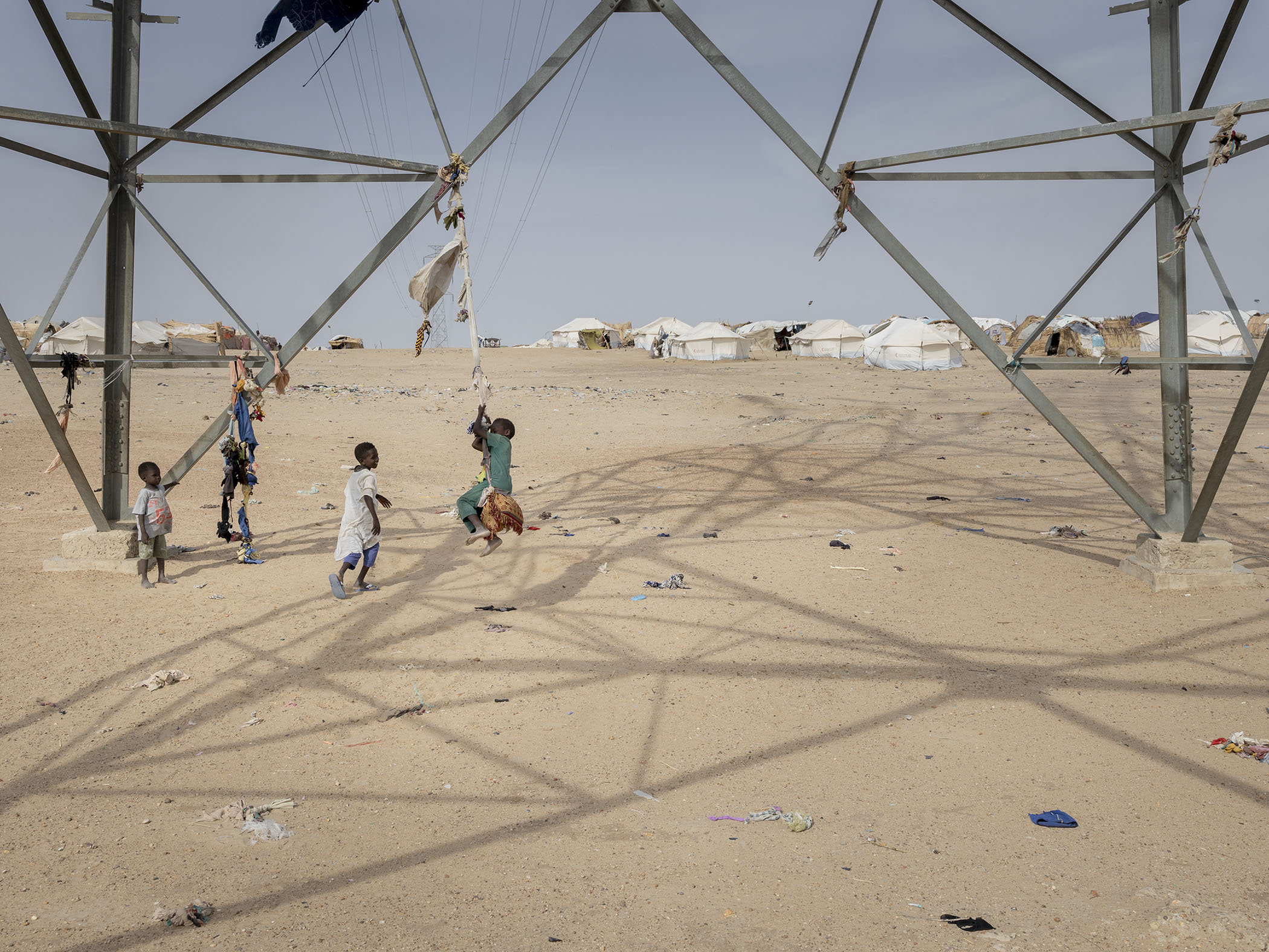
Children play on a swing hanging from an electricity pylon. Kosti, a city on the banks of the White Nile in south-central Sudan, has become a critical refuge and transit hub for hundreds of thousands of people displaced by conflict in Darfur, Kordofan, and neighboring South Sudan.
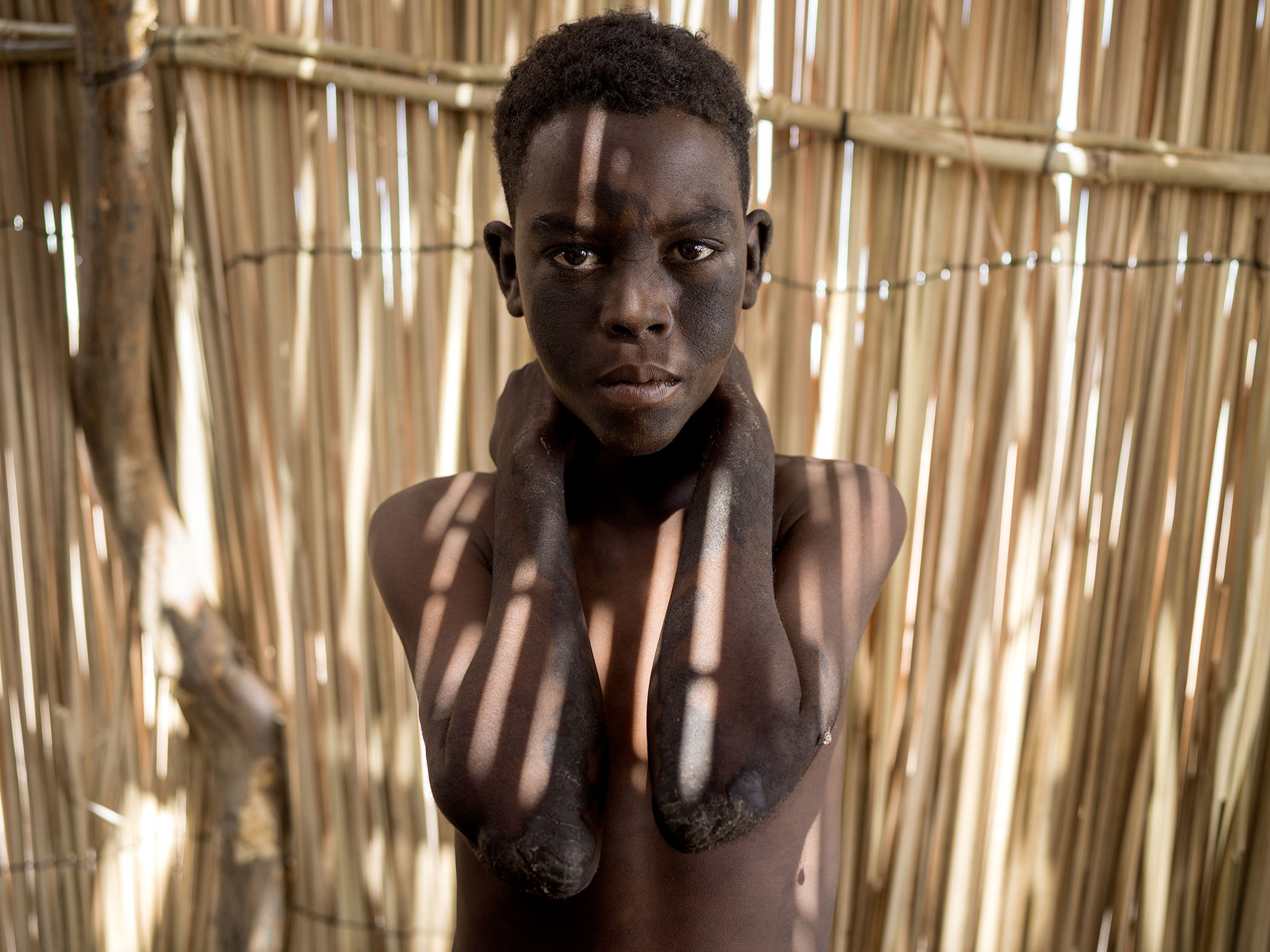
Goz Al-Salam IDP camp, Kosti, Sudan. 12 year old Abdulrahman was sitting under a tree near his family’s farmland outside Kadugli when he heard the sound of a drone overhead. It sounded like a motorbike. Moments later, an explosion struck the area, killing 14 people, including his grandfather and uncle. Abdulrahman survived but suffered burns to his face and hands. Now living in Goz Al-Salam refugee camp, he says he still becomes frightened when he hears aircraft overhead, fearing another attack.
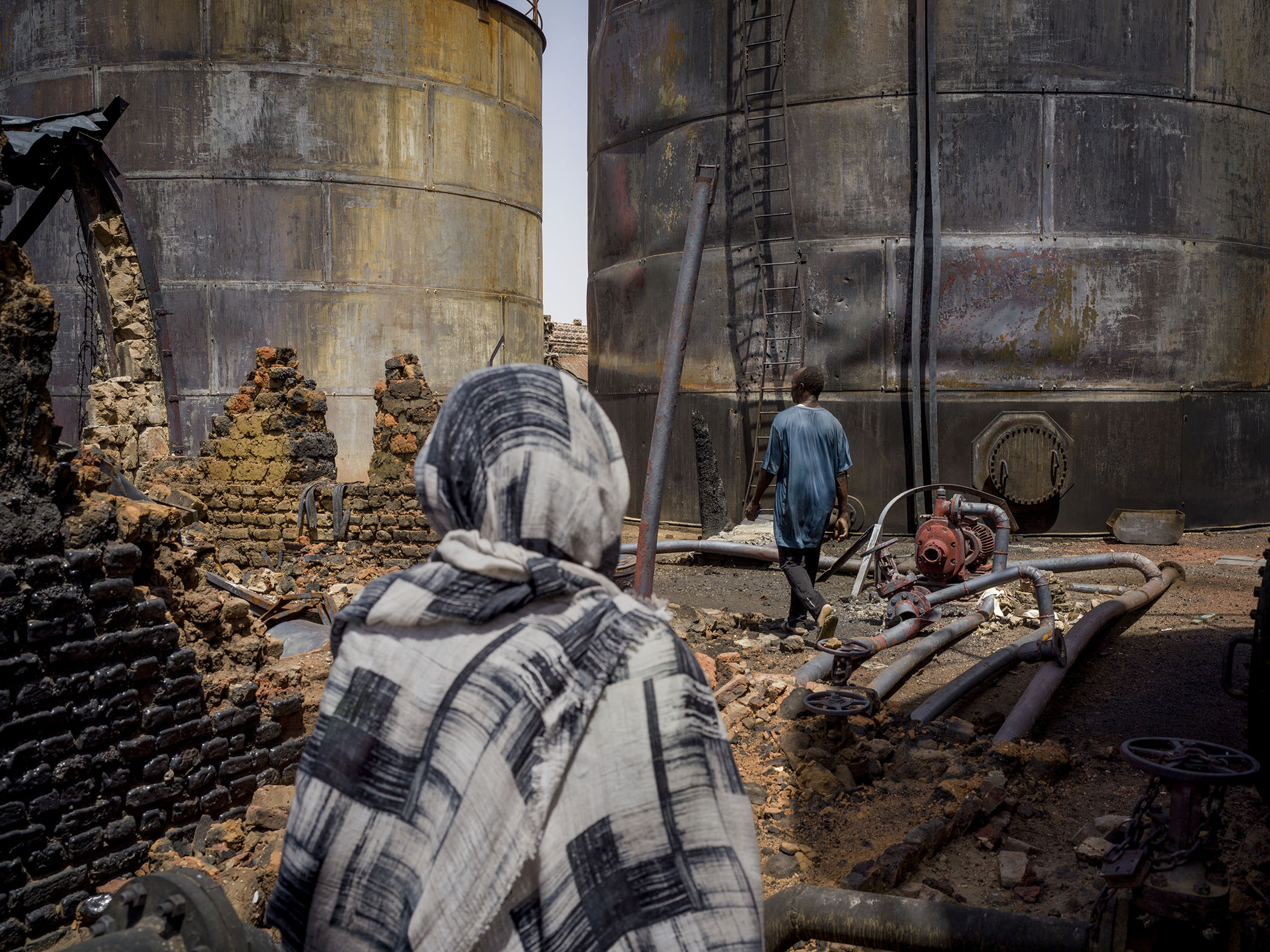
An oil-deposit in Kosti destroyed after a drone attack by the RSF-militia. Kosti, a city on the banks of the White Nile in south-central Sudan, has become a critical refuge and transit hub for hundreds of thousands of people displaced by conflict in Darfur, Kordofan, and neighboring South Sudan.
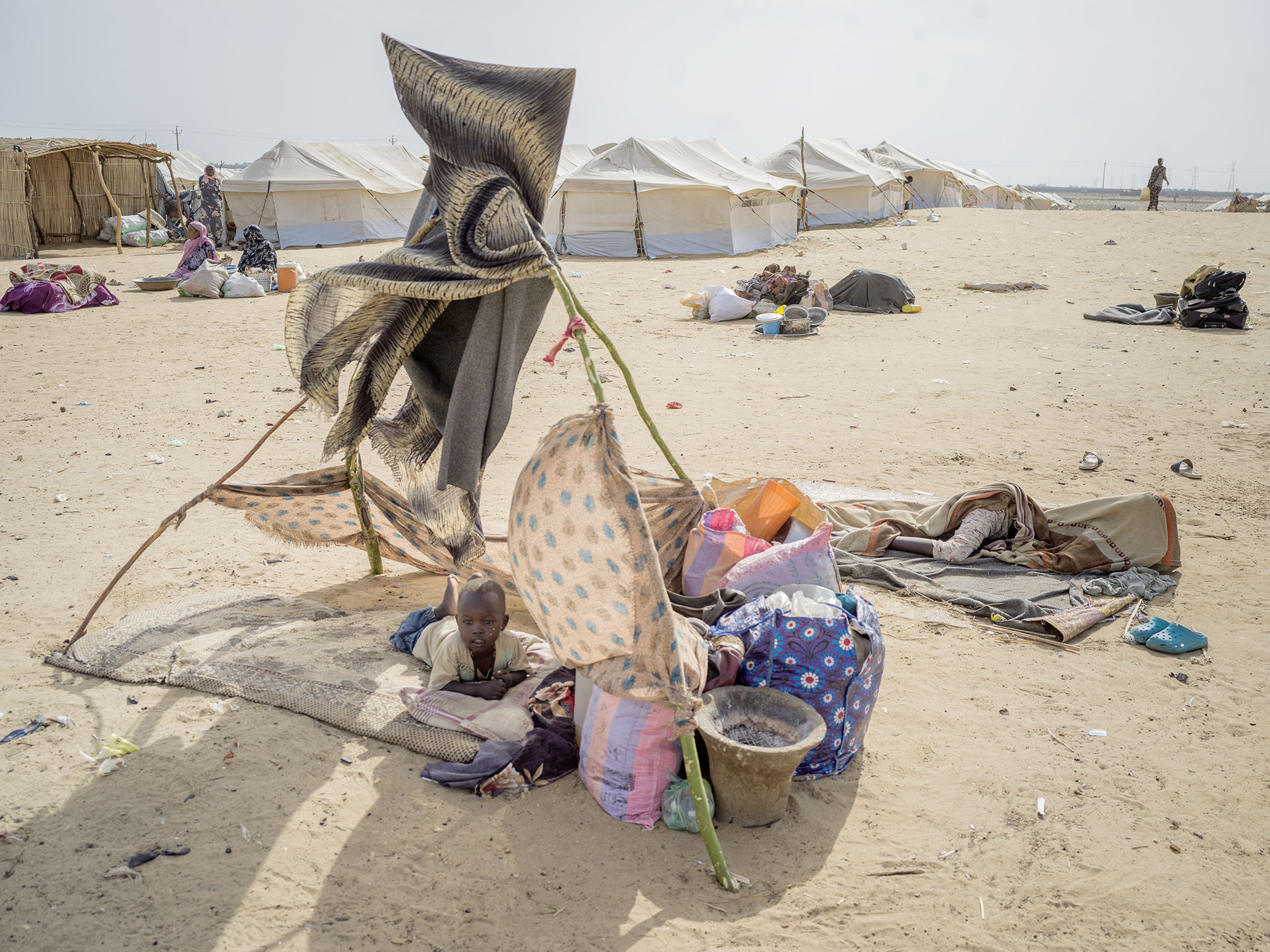
A rudimentary shelter for a newly arrived family at the Goz Al-Salam IDP camp. Kosti, a city on the banks of the White Nile in south-central Sudan, has become a critical refuge and transit hub for hundreds of thousands of people displaced by conflict in Darfur, Kordofan, and neighboring South Sudan.
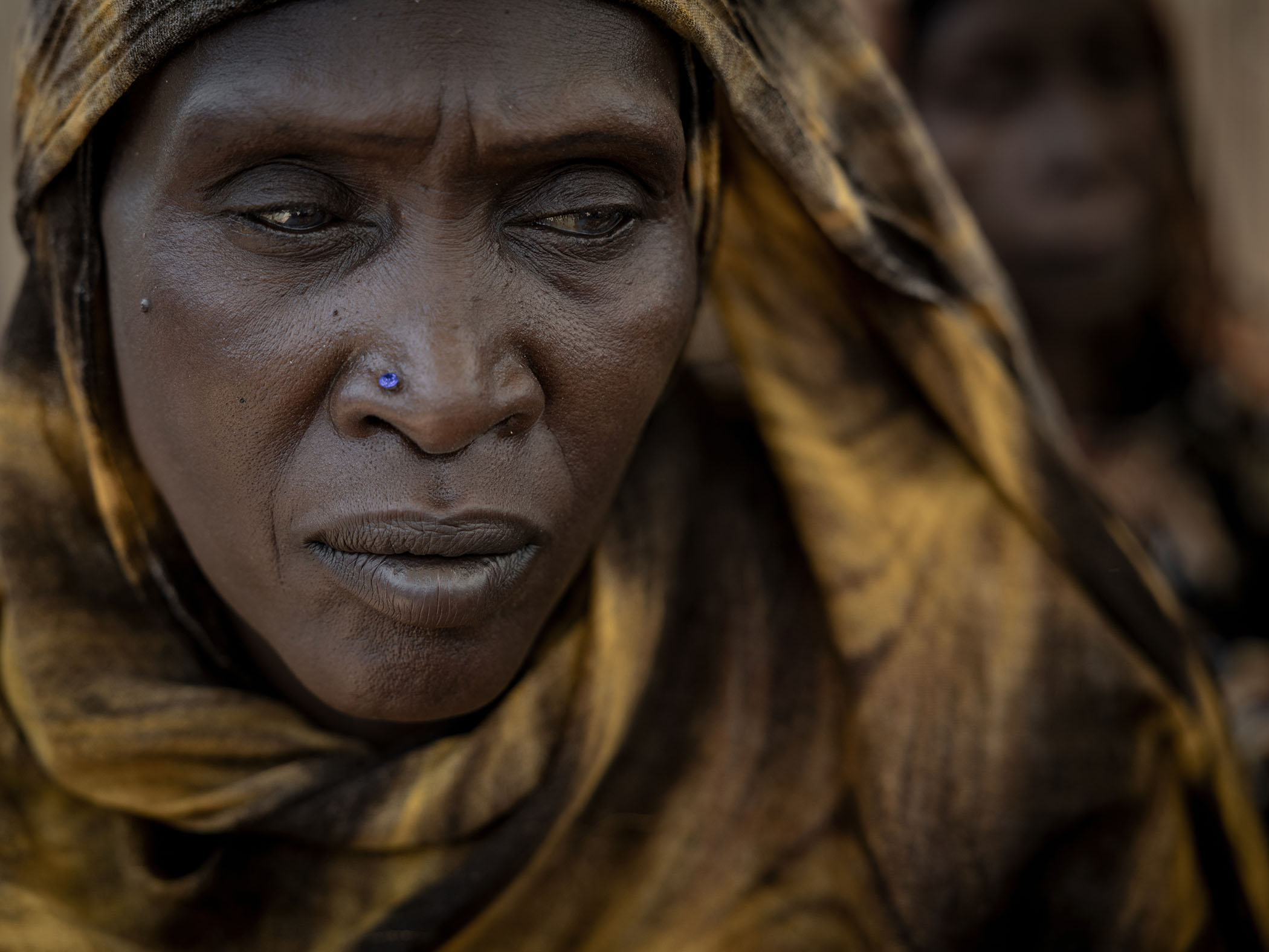
Alima Hamad sits outside a tent in the Goz Al-Salam camp displacement camp with her 10-year-old son, Baha. Forced to flee the fighting in Nyala, Darfur, she sold everything she owned and set out to find her husband, a Sudanese army soldier separated from the family by the war. Along the way, RSF fighters prevented two of her sons from leaving, forcing her to continue the journey without them. “Life was beautiful, but the war destroyed everything,” she says.
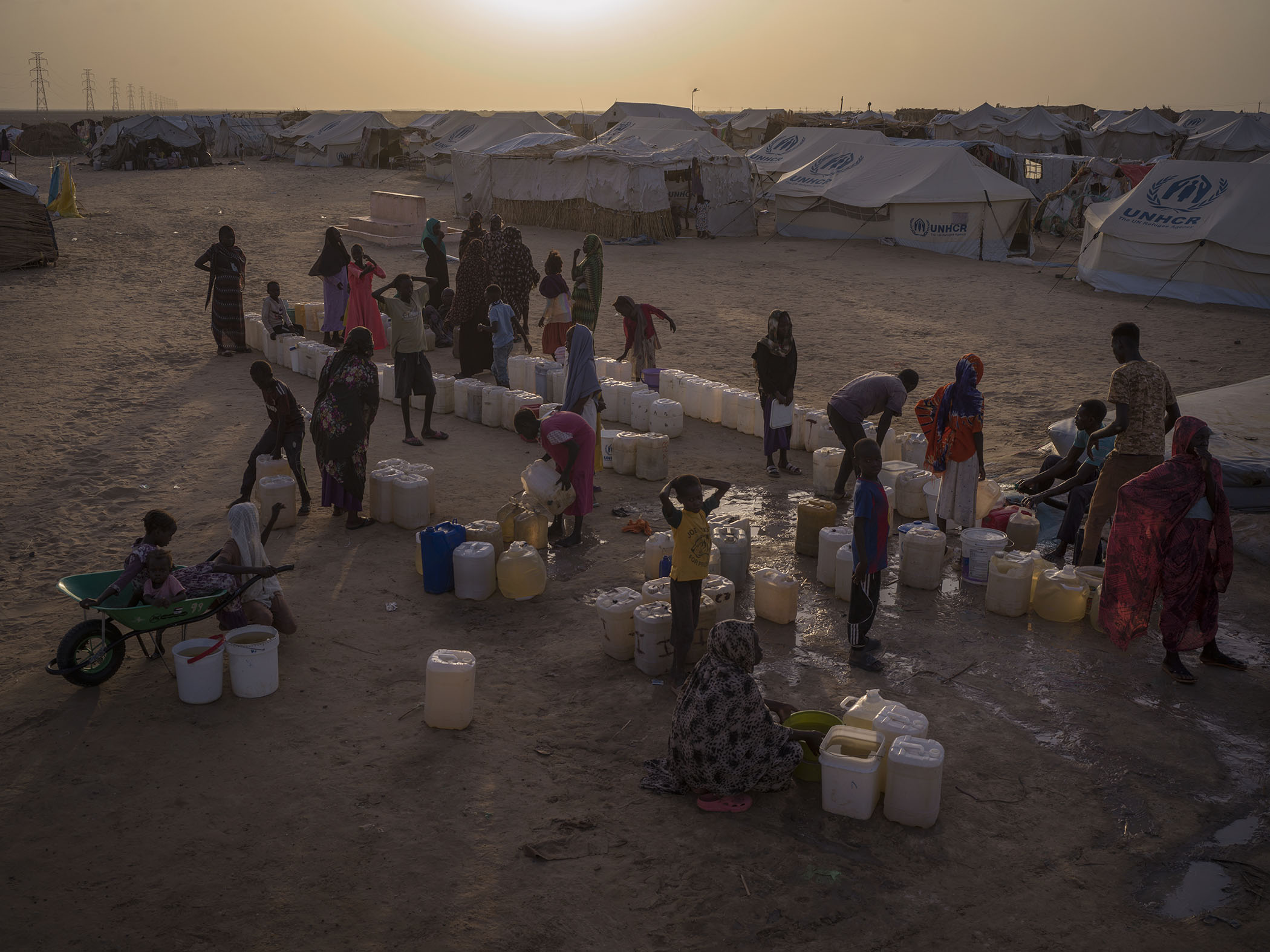
Food and clean water are in short supply in Goz Al-Salam refugee camp, Kosti. Many newly arrived families have not yet received aid, while overcrowding and limited resources leave thousands dependent on irregular food distributions and limited humanitarian assistance.
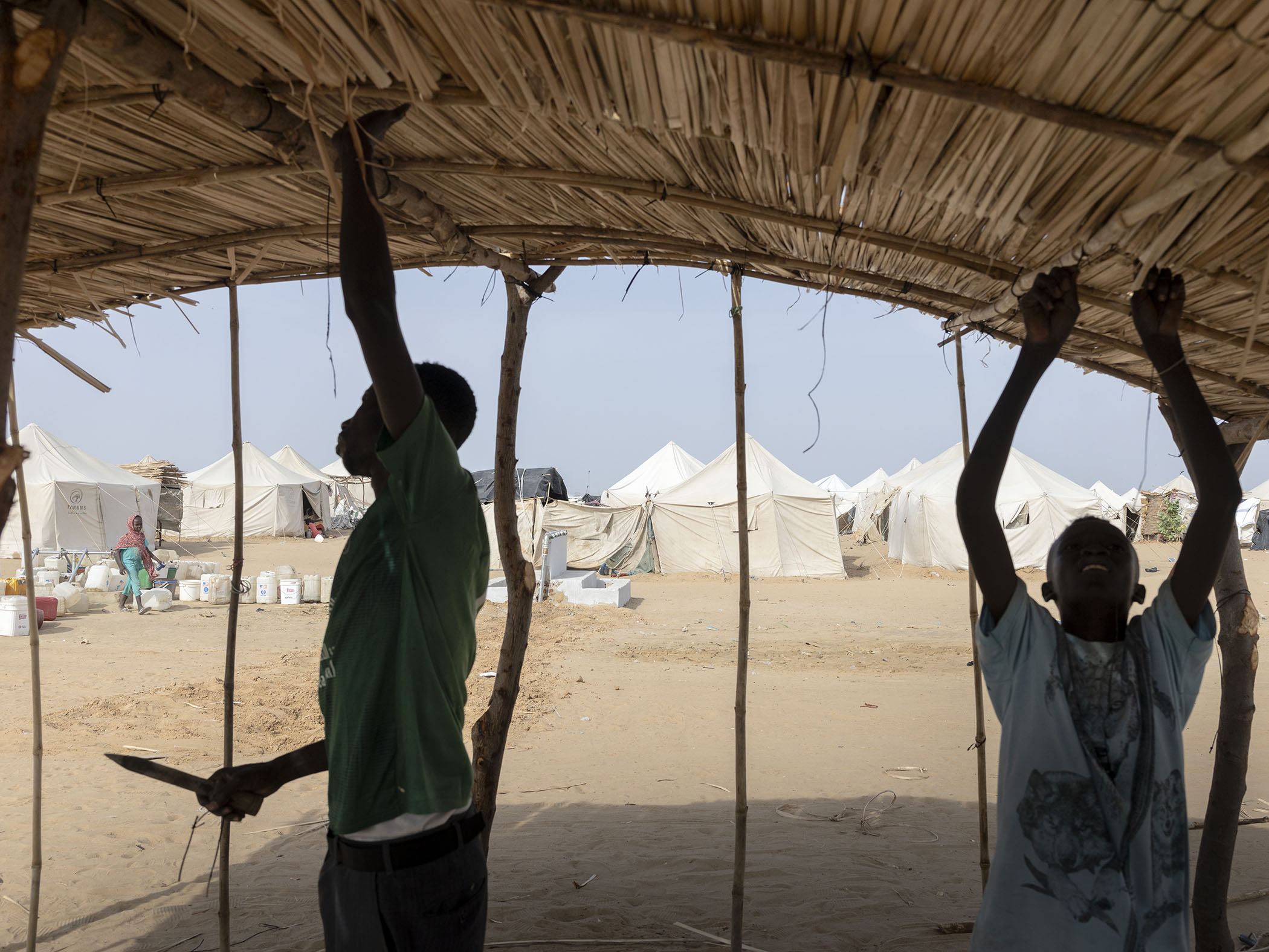
Newly arrived families at the Goz Al-Salam IDP camp building a shelter. Kosti, a city on the banks of the White Nile in south-central Sudan, has become a critical refuge and transit hub for hundreds of thousands of people displaced by conflict in Darfur, Kordofan, and neighboring South Sudan.
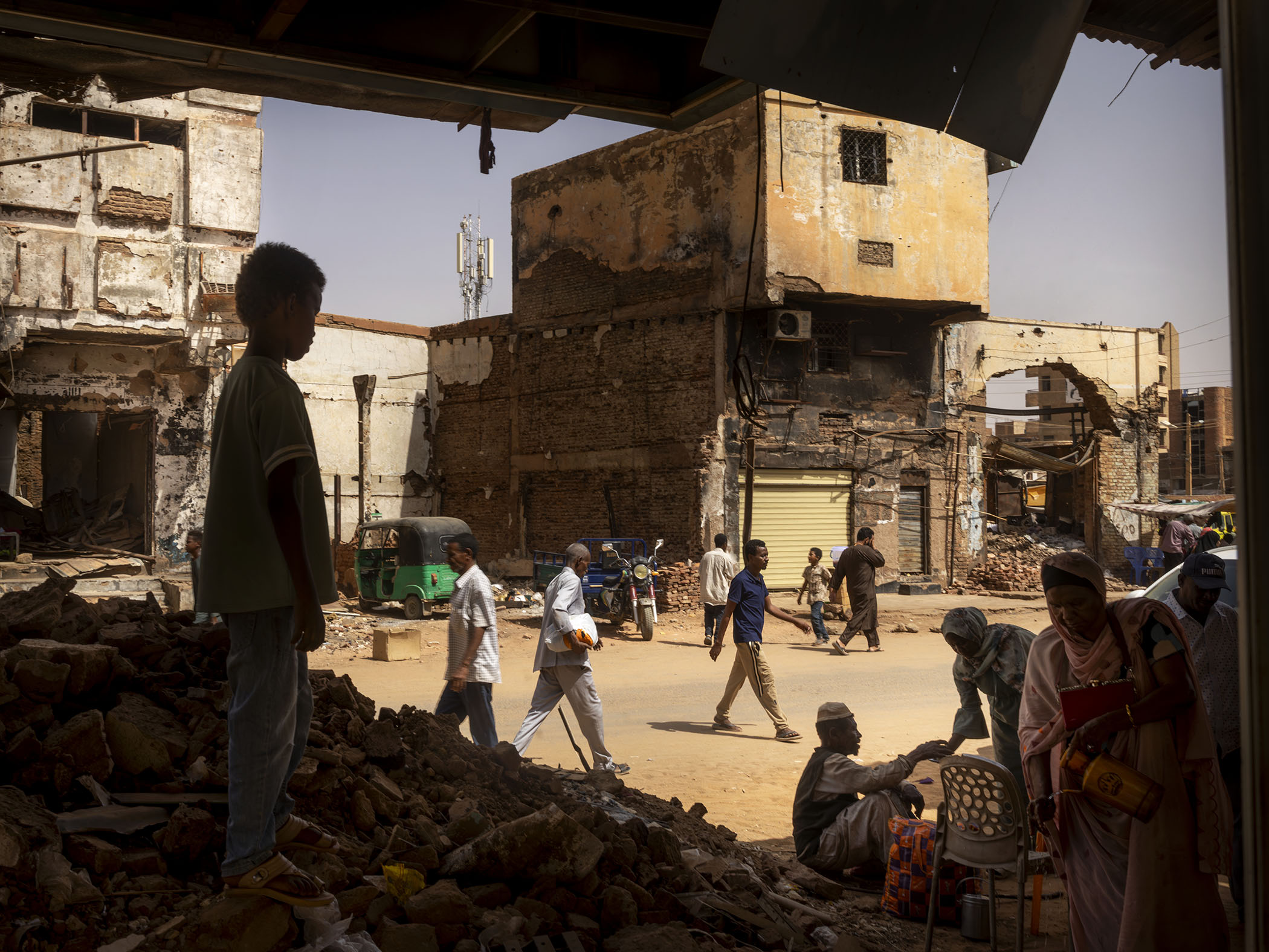
The old market in Khartoum was the scene of some of the fiercest fighting of the war. Although life is slowly returning and traders are reopening their stalls, the devastation remains extensive. Khartoum, Sudan’s war-scarred capital at the confluence of the Blue and White Nile rivers, is showing tentative signs of recovery after years of devastating conflict.
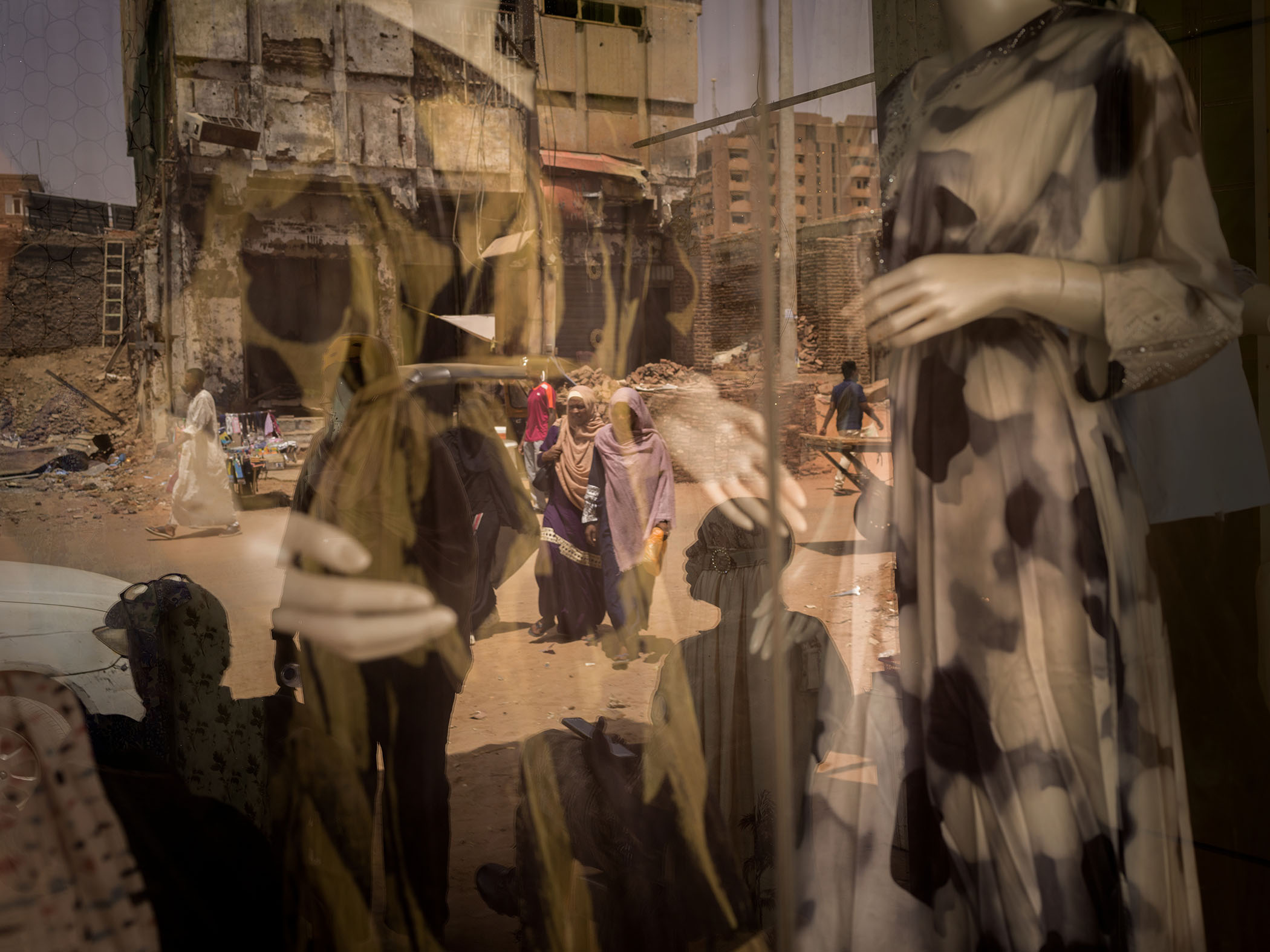
The old market in Khartoum was the scene of some of the fiercest fighting of the war. Although life is slowly returning and traders are reopening their stalls, the devastation remains extensive.
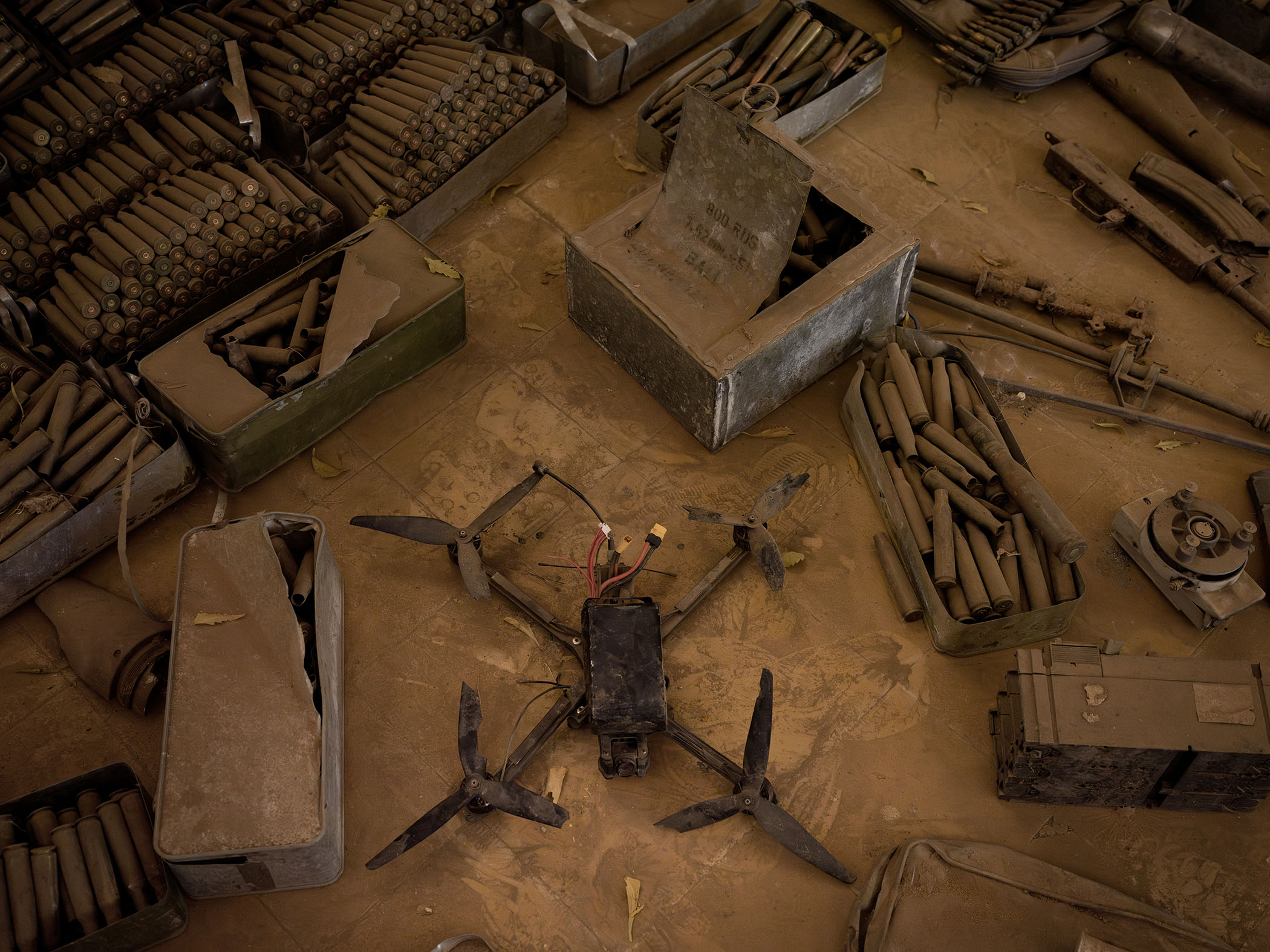
Khartoum, Sudan. Bullets and a drone left in the the national museum after it was taken over and looted by RSF-militia. After being retaken by SAF, the staff returned and collected all the remnants of the war.
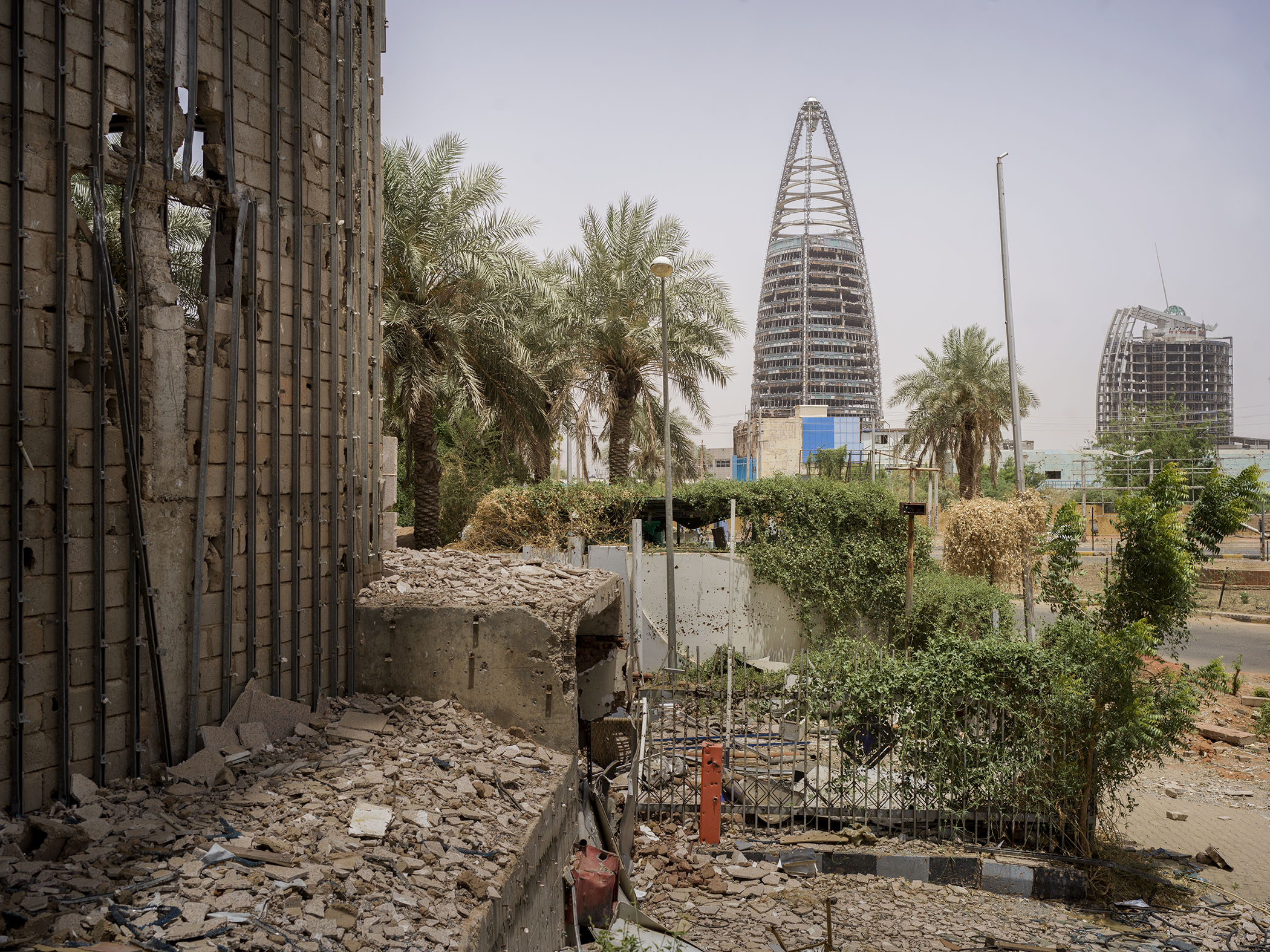
Khartoum, Sudan’s war-scarred capital at the confluence of the Blue and White Nile rivers, is showing tentative signs of recovery after years of devastating conflict. Once the epicentre of fierce fighting between the rival military forces SAF and RSF, the city suffered widespread destruction and mass displacement.
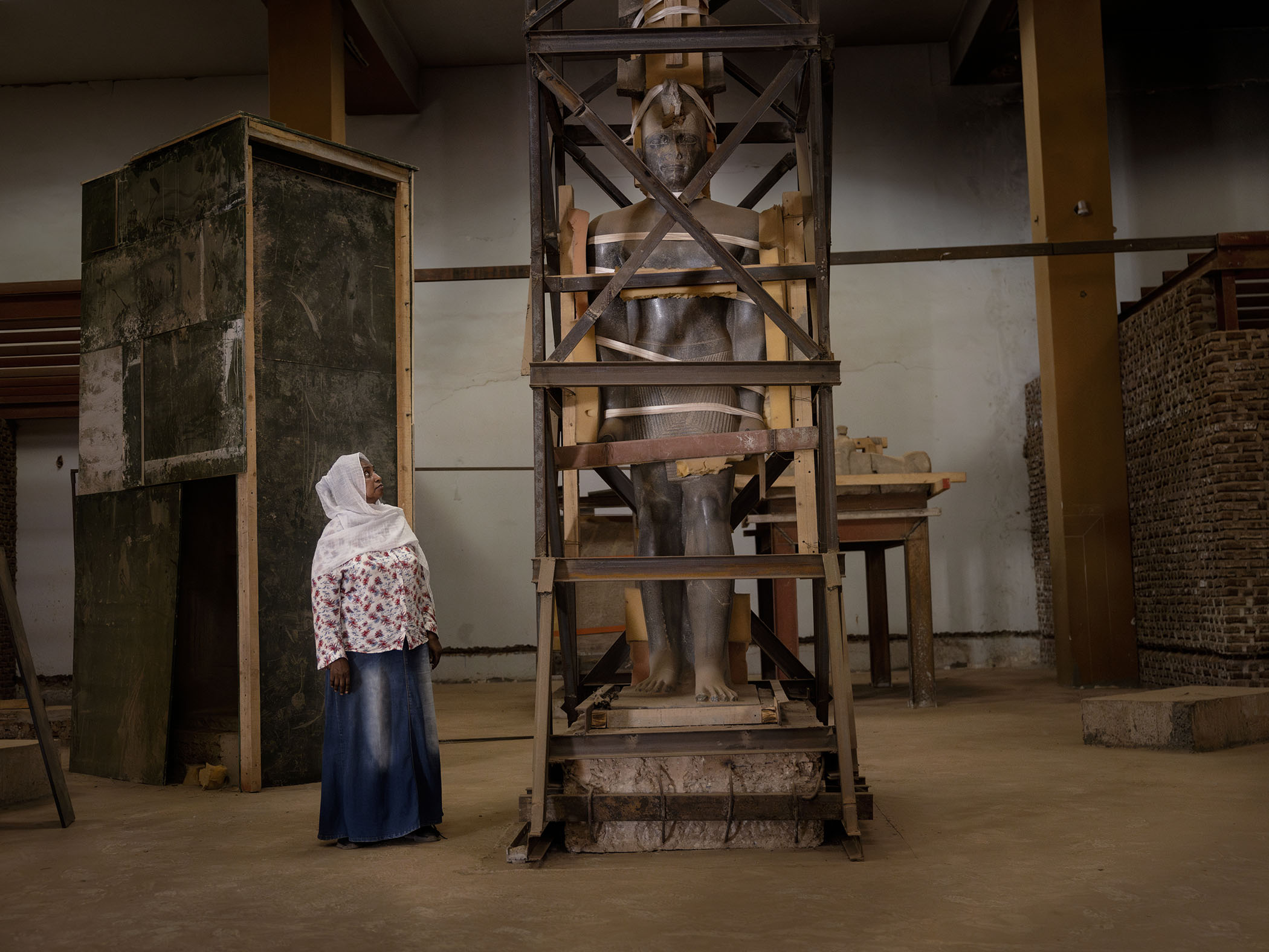
The national museum was looted by RSF-militia during their occupation of Khartoum. After it was retaken by SAF government forces the staff returned to see what remained. Any precious metal especially everything made from gold was taken , bvut the pride of the collectiopn is still here: the statue of Pharaoh Taharqa (25th Dynasty, c. 690–664 BCE), a four-meter-high granite sculpture that greeted visitors at the entrance. Taharqa was one of the Kushite rulers who conquered and ruled Egypt, making this one of the museum’s iconic masterpieces.
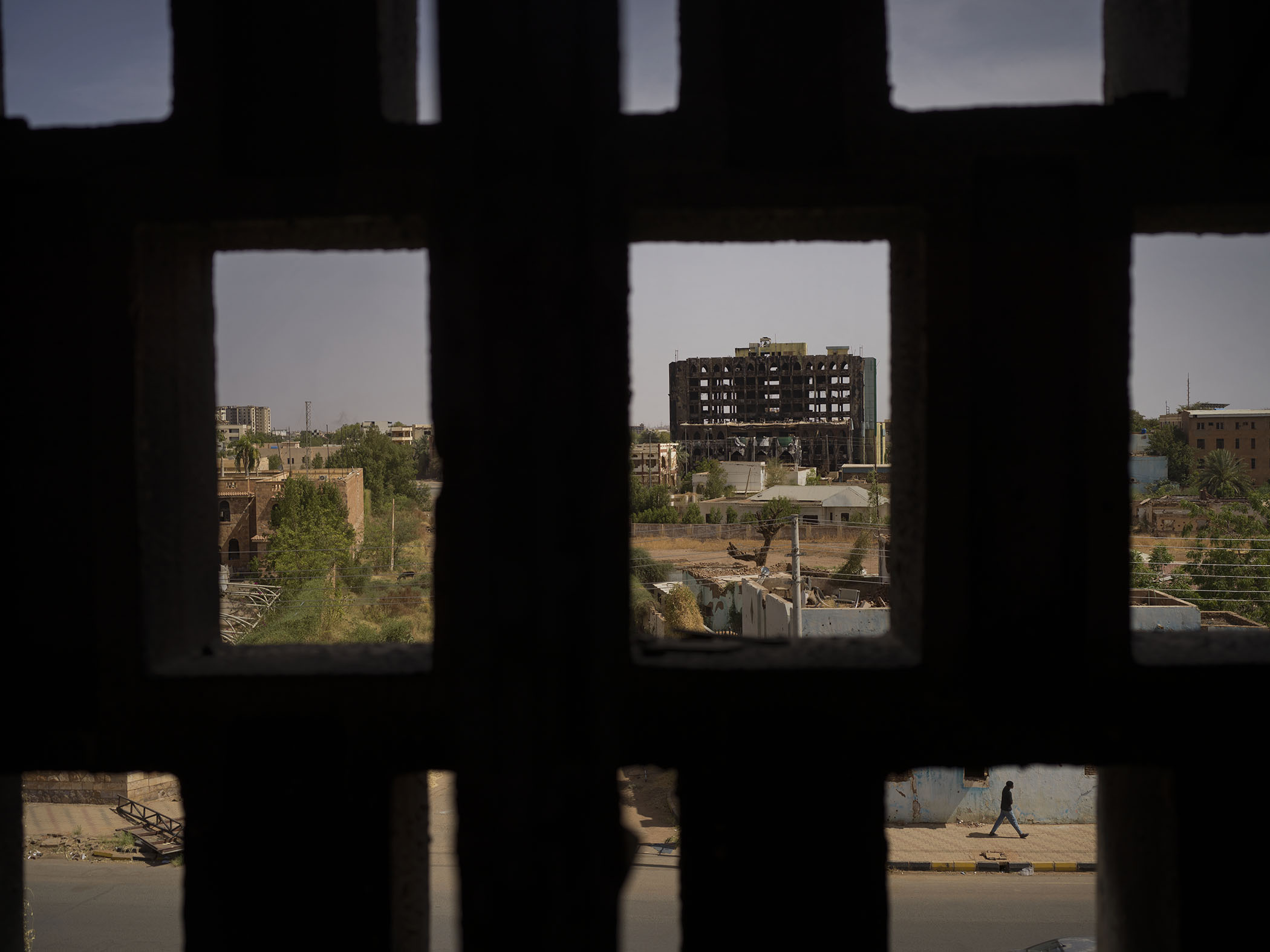
Khartoum, Sudan’s war-scarred capital at the confluence of the Blue and White Nile rivers, is showing tentative signs of recovery after years of devastating conflict.
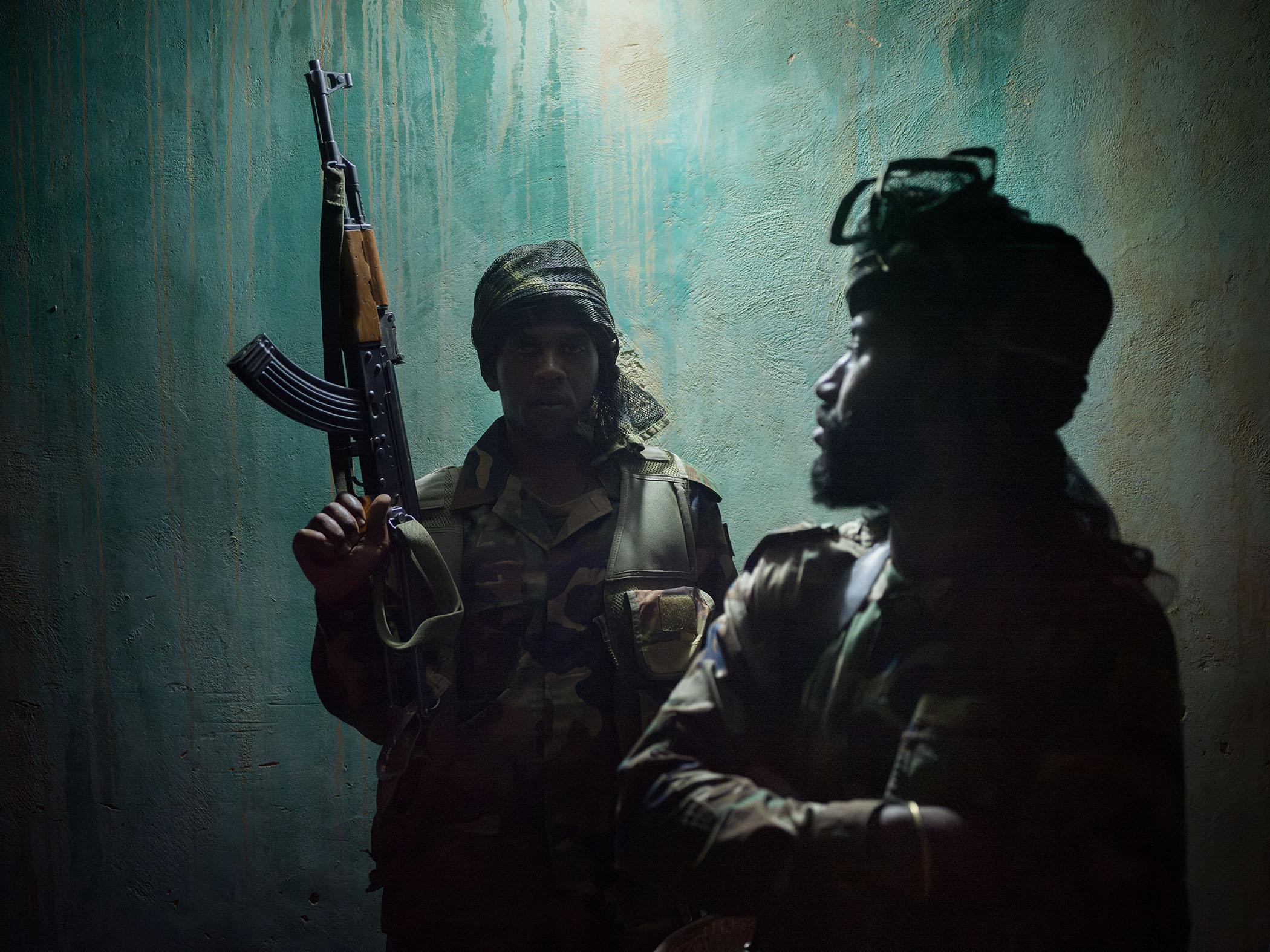
Khartoum, Sudan. Members of a militia fighting in alliance with the SAF (Sudanese Armed Forces).
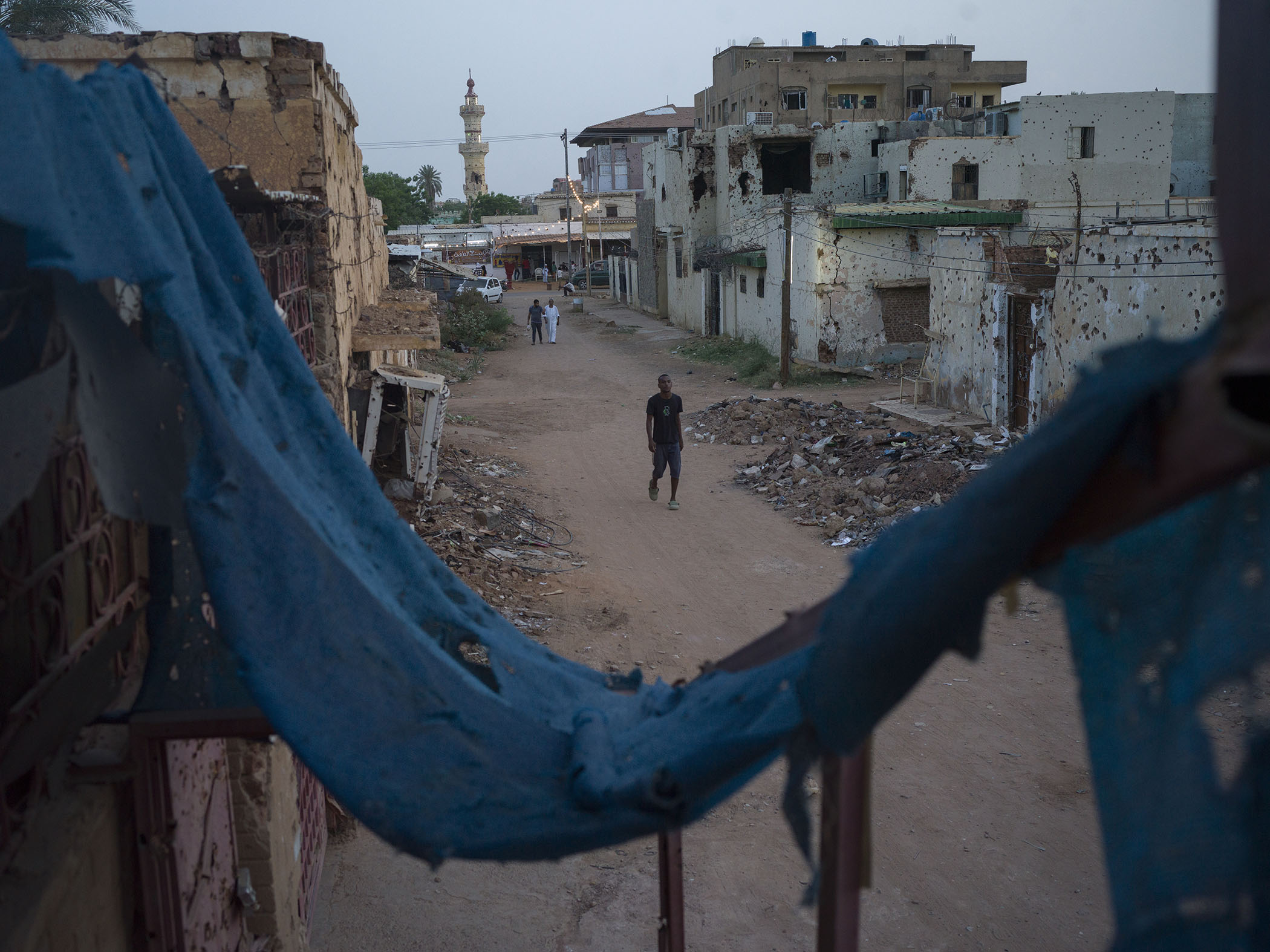
Khartoum, Sudan’s war-scarred capital at the confluence of the Blue and White Nile rivers, is showing tentative signs of recovery after years of devastating conflict.
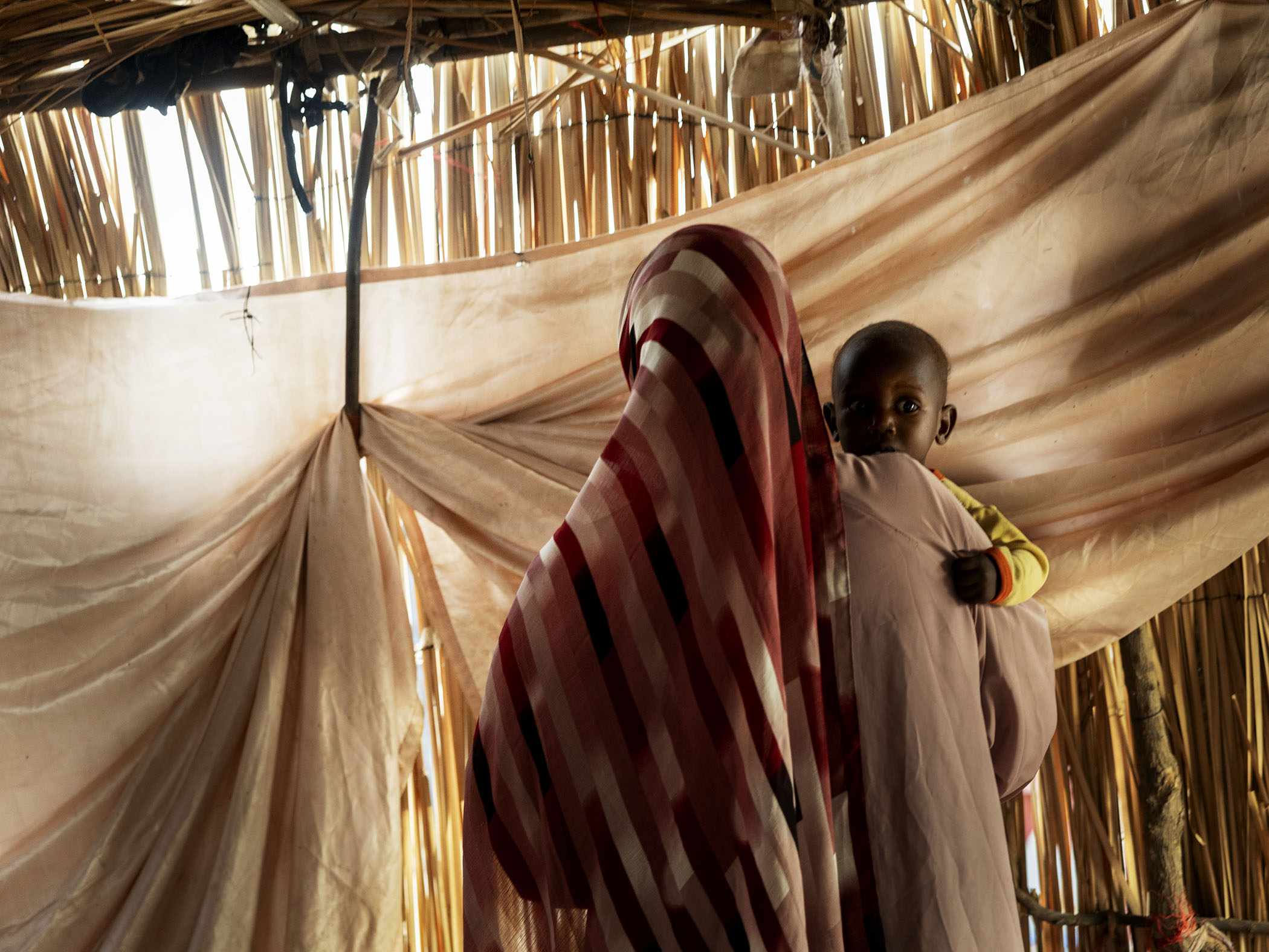
Daralnaeem, 38, a survivor of sexual violence, holds her son Muhammad in the Goz Salaam displacement camp near Kosti, Sudan. Before the war, she supported her nine children by selling vegetables in Khartoum. After fighting erupted in 2023, her teenage son was forcibly recruited by the RSF and later died from his injuries. Daralnaeem says RSF fighters went from door to door in her neighborhood, and that the screams of women being assaulted could be heard from house to house. She says the fighters eventually came to her home, where masked RSF soldiers repeatedly raped her. Muhammad was born as a result of those assaults. The family later fled Khartoum, joining millions of Sudanese displaced by the conflict. Now living in a tent settlement, Daralnaeem is raising her children alone while coping with the consequences of war. She says she struggles with grief and trauma but remains focused on feeding and protecting her family. “I love him,” she says of Muhammad, despite the painful memories his birth carries.
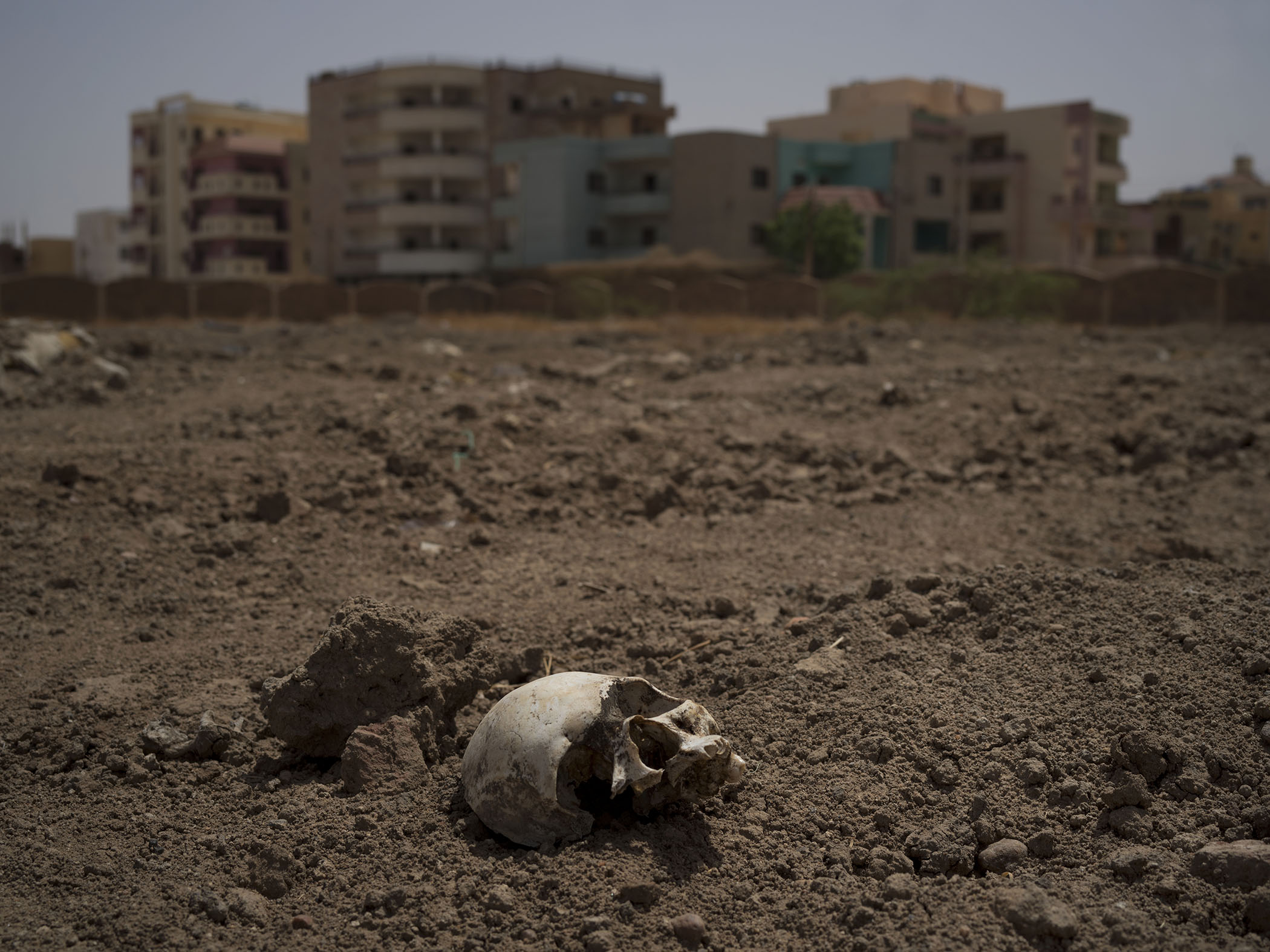
A mass grave on the outskirts of Khartoum contains what the Sudanese Armed Forces (SAF) say are the remains of around 1,000 of RSF-soldiers killed during the battle for the capital. The graves were dug hurriedly during the fighting (by the RSF themselves) and are often shallow, leaving human remains exposed in places. The smell of decomposition still hangs over the site.
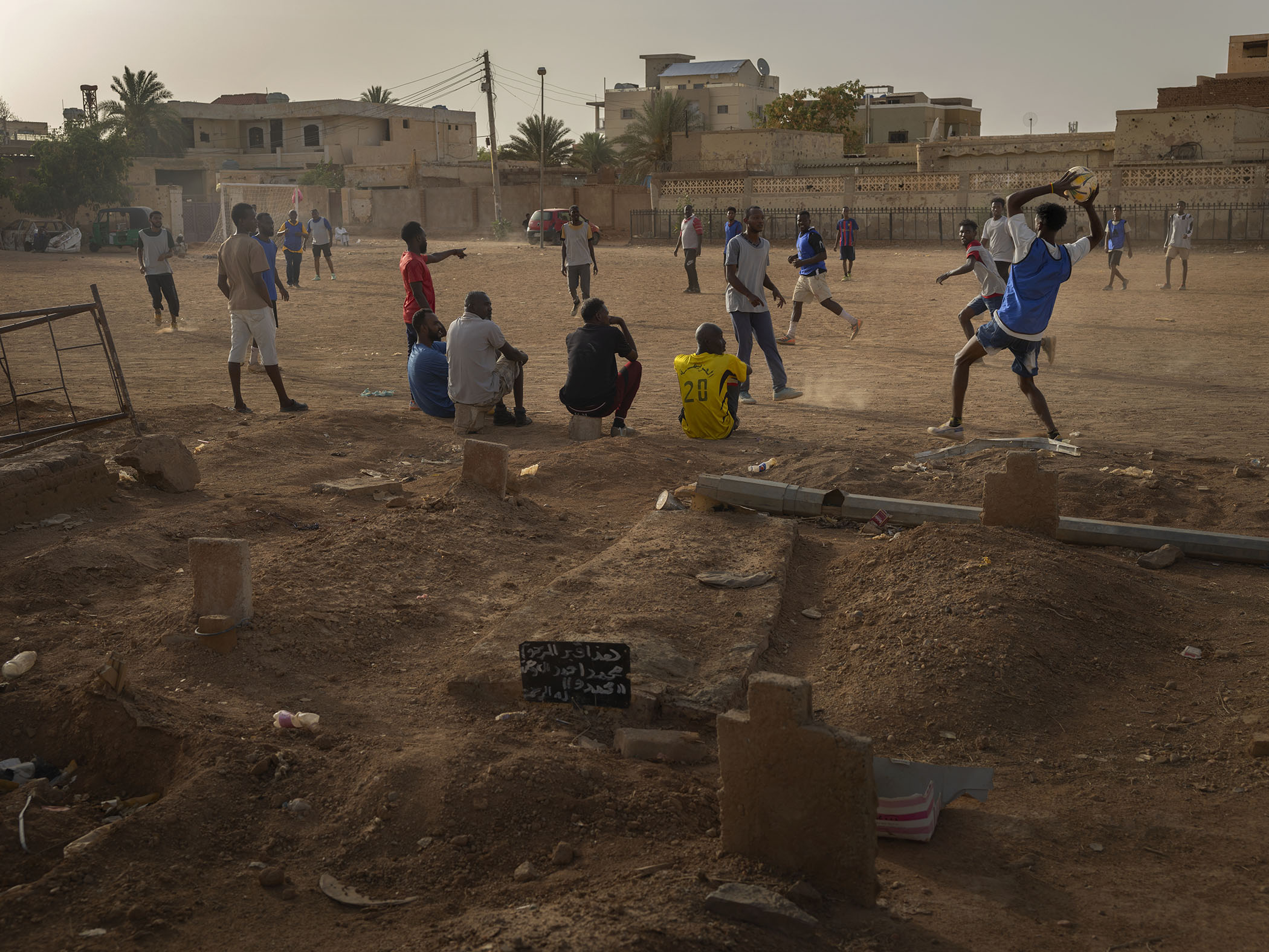
Young men play football beside a makeshift graveyard in Khartoum. During the siege of the city, intense fighting made it impossible for many families to reach cemeteries, forcing residents to bury loved ones in vacant lots, schoolyards, and other spaces within their neighbourhoods.
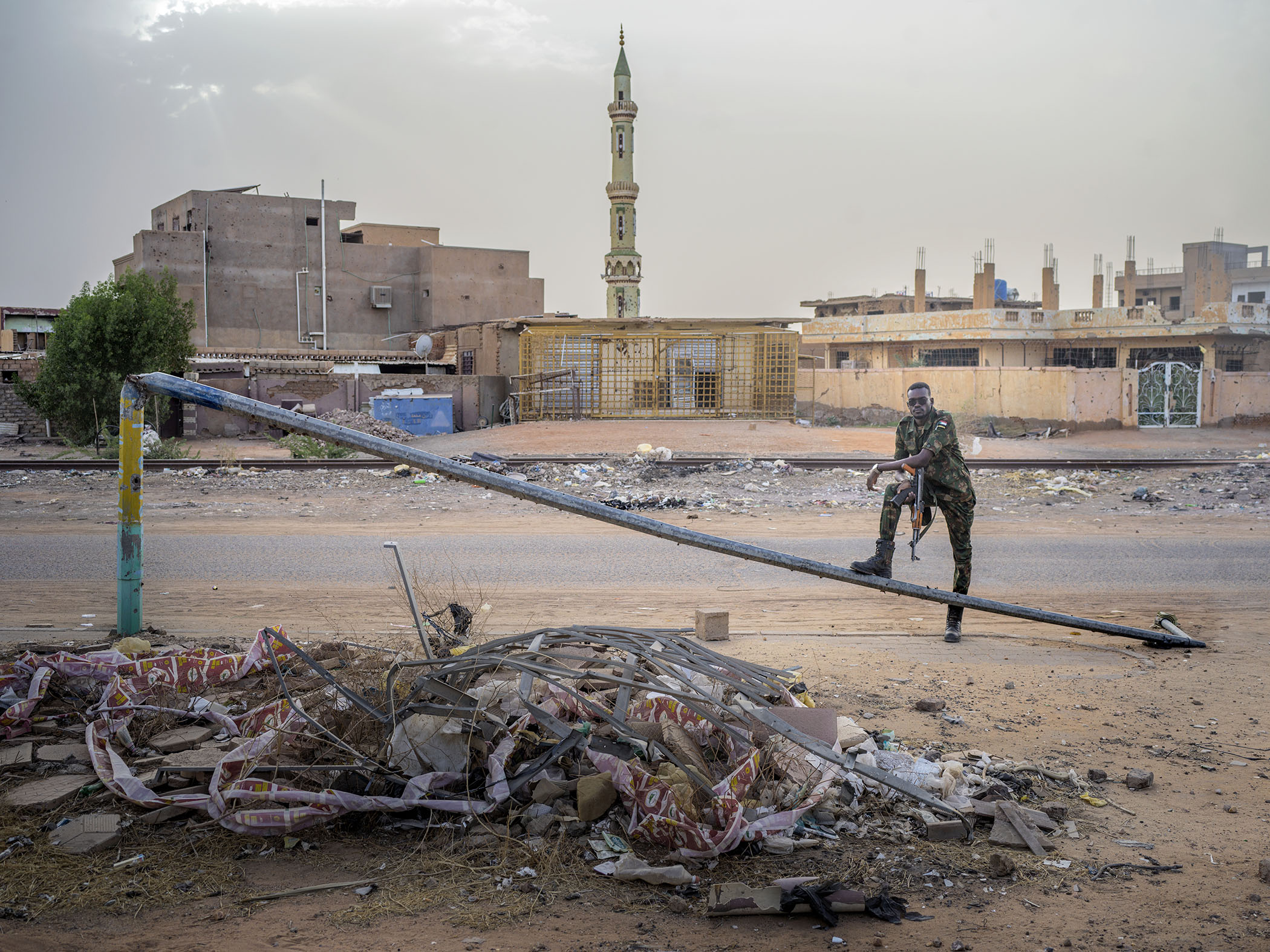
Soldier from the SAF (Sudanese Armed Forces) in Khartoum, Sudan’s war-scarred capital at the confluence of the Blue and White Nile rivers
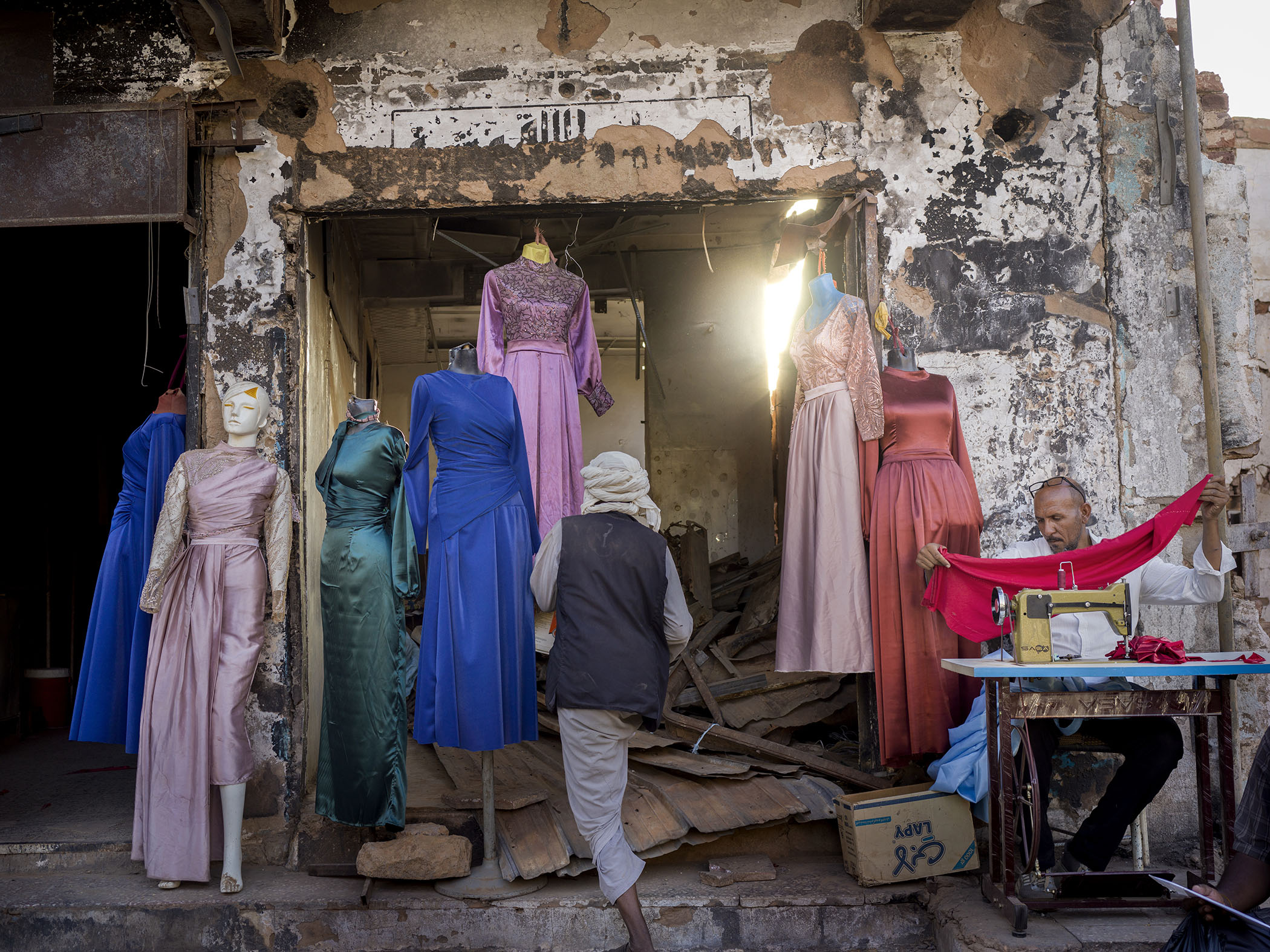
Mohammed Khaled stands in what remains of his tailoring shop in Khartoum's old market. He began working as a tailor 29 years ago and opened his first shop in 2007. When fighting broke out, he returned to the shop to deliver the customers’ dresses before fleeing. Eighteen months later, he returned to find his shop looted and destroyed by RSF soldiers. “But the worst part was how quiet it was. It really frightened me. The place was almost empty, the houses were dark, and there have always been people here—all day, every day. That day, there was nothing" he explains. "I’m in a hurry. I need to save enough money to buy an electric sewing machine. But first, we need electricity.” The old market in Khartoum was the scene of some of the fiercest fighting of the war. Although life is slowly returning and traders are reopening their stalls, the devastation remains extensive.
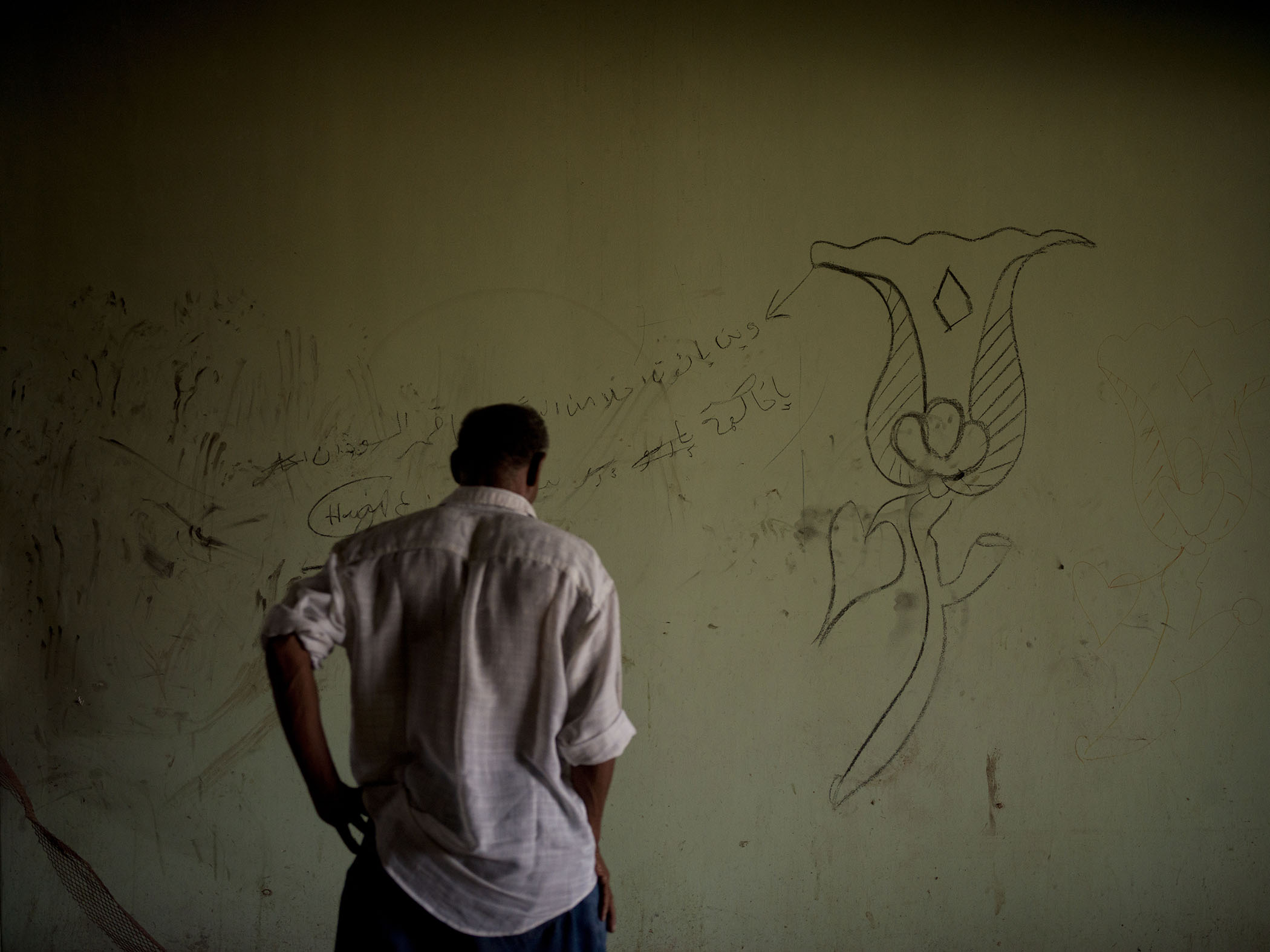
Grafitti by the RSF-militia in Khartoum, Sudan’s war-scarred capital at the confluence of the Blue and White Nile rivers
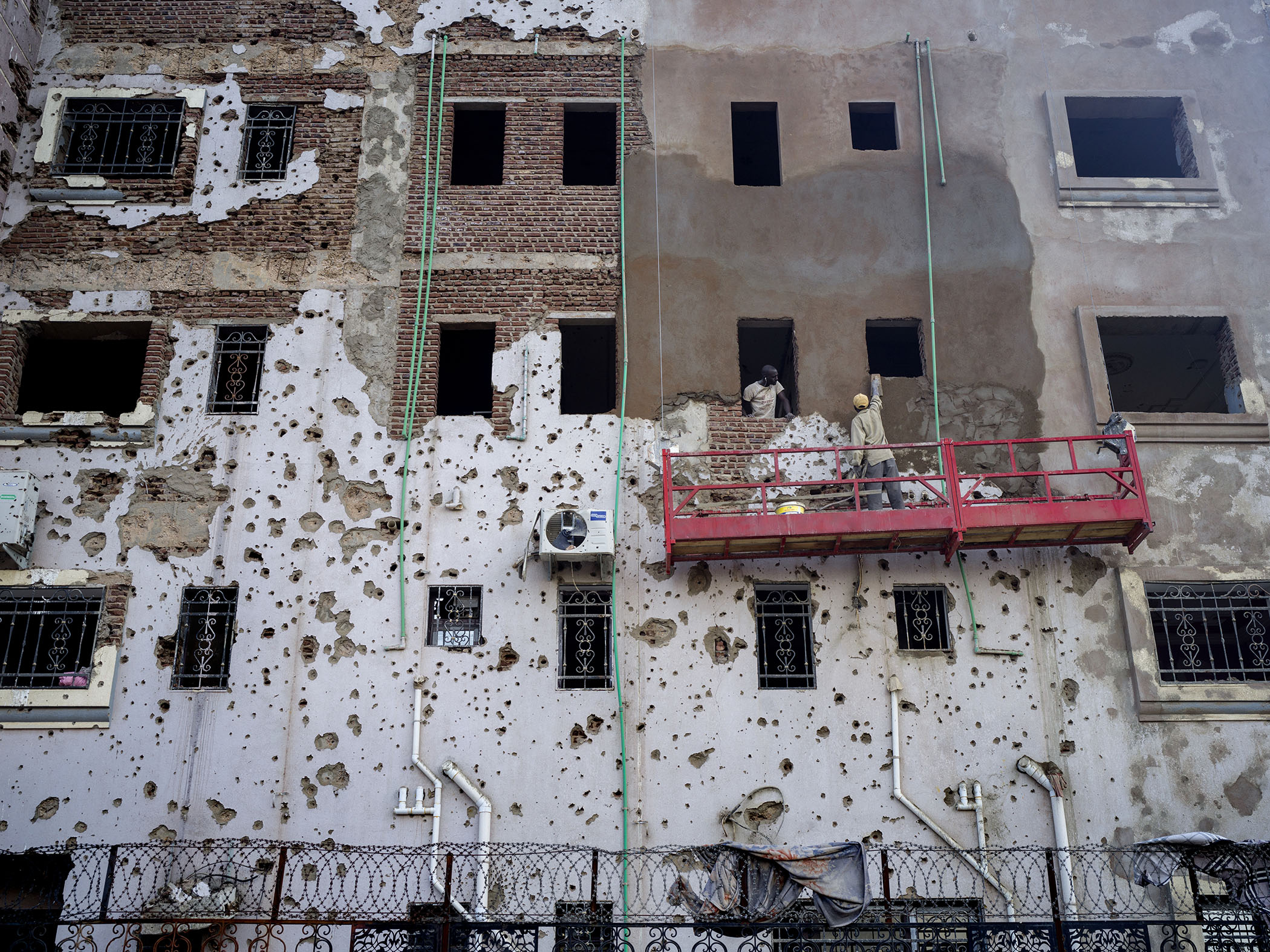
Rebuilding the city of Khartoum, Sudan’s war-scarred capital at the confluence of the Blue and White Nile rivers
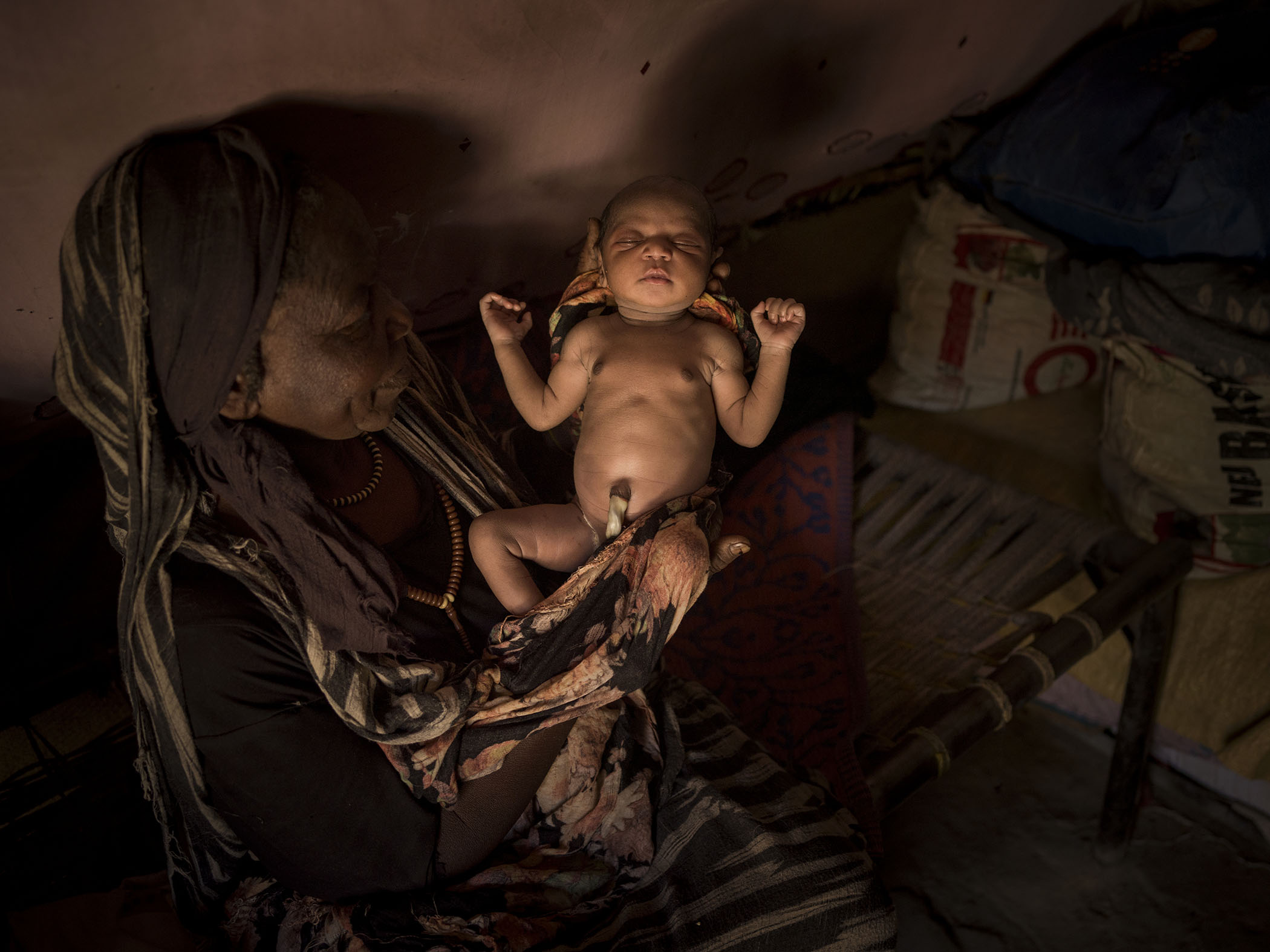
Just hours old, a newborn girl lies in her grandmother’s arms in the Goz Al-Salam displacement camp in Kosti. She is the eleventh child in a family that lost its home to Sudan’s war and now struggles to find enough food to survive. Born into one of the world’s worst humanitarian crises, her arrival nonetheless gives her father, Ajali Hammad Azali, a reason to smile with pride. The baby has not yet been named.