
The people of Fanalei, a small settlement in the Solomon Islands, are adapting to a life lived on the edge of an encroaching sea: graves have been moved, a church has been washed away, and sea walls are built and rebuilt. For generations, the community has hunted dolphins, a deeply traditional practice that provides both food and dolphin teeth. These teeth function as a unique form of currency used in bride-price ceremonies and as a local tender to fund schools, churches, and the purchase of property on the mainland.
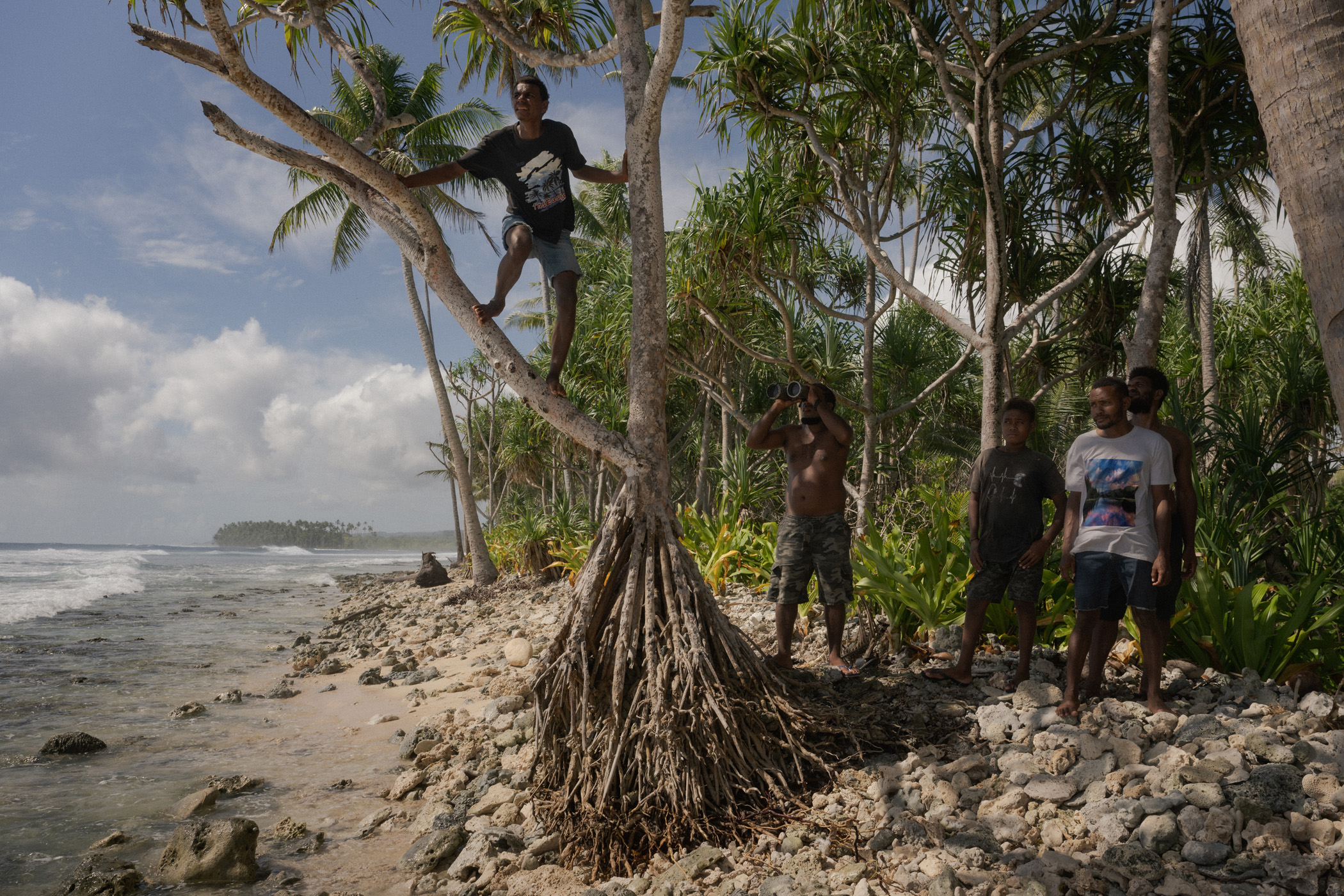
Fanalei Island, South Malaita, Solomon Islands. From the shoreline, boys and young men climb coconut trees to scan the lagoon for dolphin hunters returning from the open sea. The men leave the village in the early hours in hand-carved canoes, raising flags once dolphins are sighted to signal the hunt has begun. Success is never certain. Storms, passing boats, and the dolphins’ own intelligence often thwart the chase.
However, dolphin hunting is a grueling and uncertain collective effort. Since 2024, the introduction of seaweed farming has offered a relatively lucrative and stable alternative to dolphin hunting. Dried seaweed, destined for global pharmaceutical and cosmetic supply chains, now provides families with a dependable cash income, allowing families to buy basic goods without relying on traditional exchange.
As seaweed farming expands, fewer canoes are available for dolphin hunting, creating new tensions in the community. After years of international pressure to end dolphin hunting, many residents now point to seaweed farming as the economic force that may finally put an end to the controversial practice. This project captures a community at a complex crossroads, confronting the loss of its island, continued reliance on a contested tradition for survival, and a social order being reshaped by new economic forces.
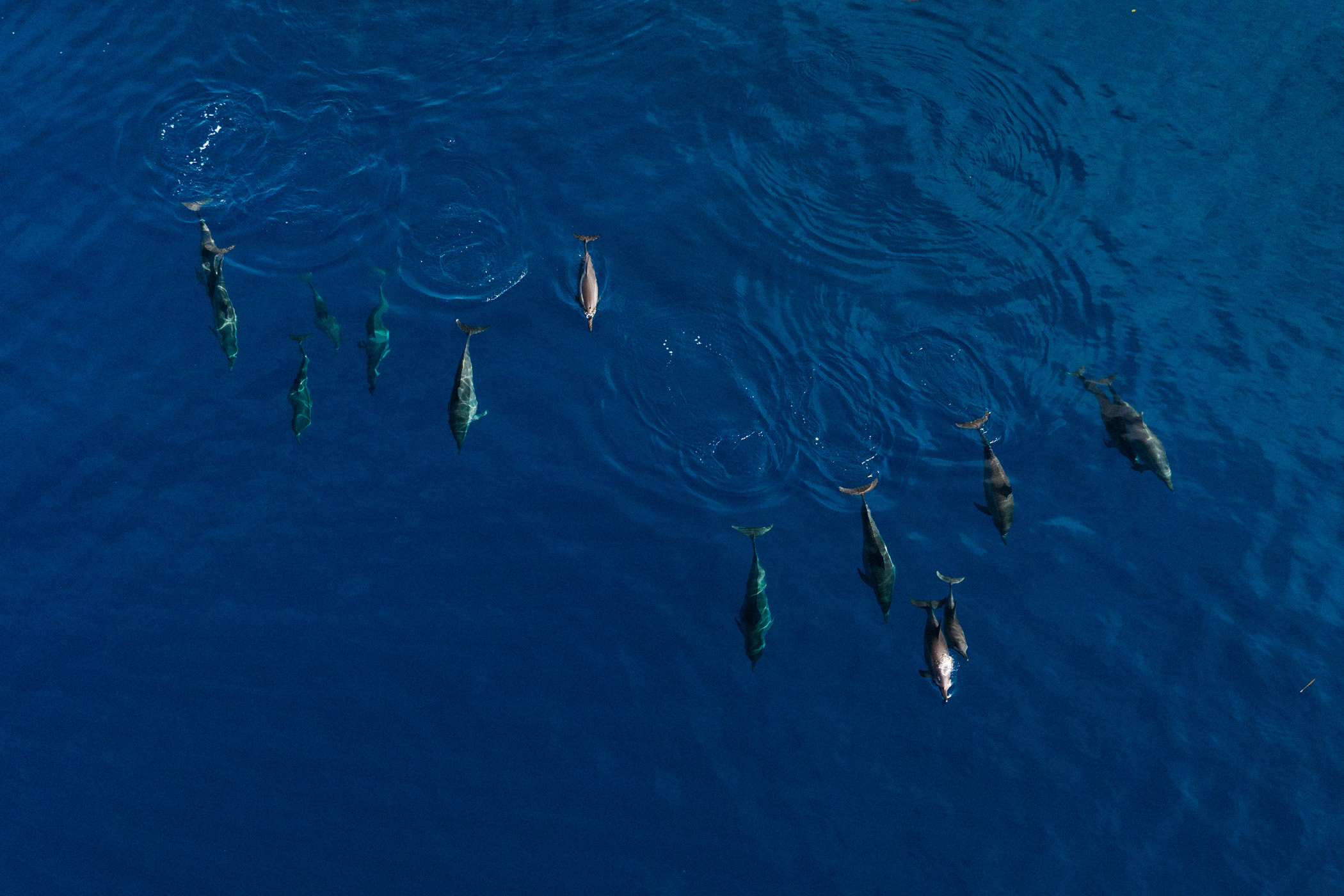
A pod of dolphins off the coast of South Malaita, the Solomon Islands.
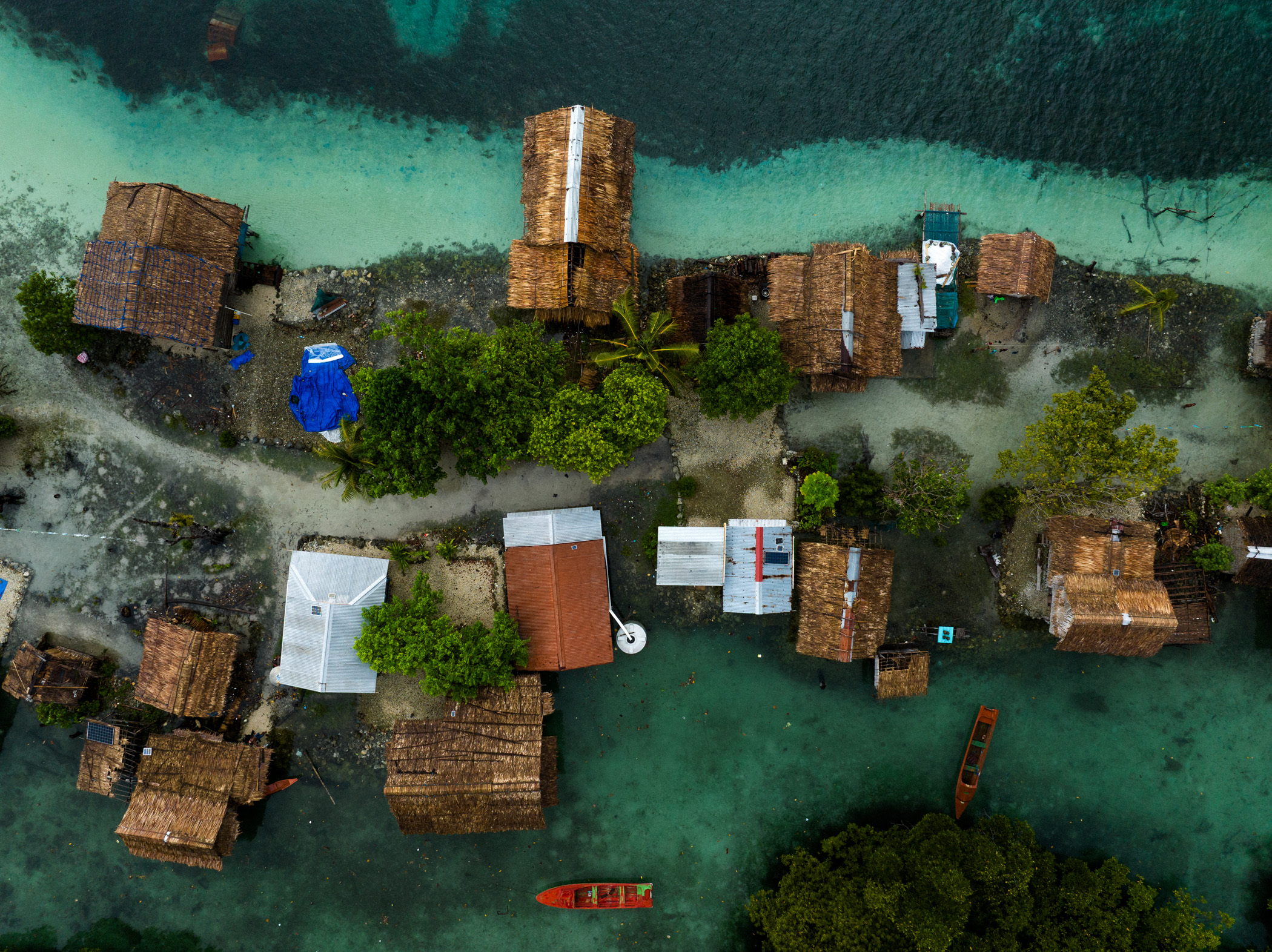
Fanalei Island, South Malaita, Solomon Islands. An aerial view of the narrow strip of coral and sand that forms the habitable part of Fanalei Island, which is rapidly shrinking due to rising sea levels. Once home to a larger community, much of the land has been eroded or submerged, leaving only a fragile sliver for the remaining villagers. At high tide, seawater inundates large parts of the island, threatening homes and livelihoods. Many residents have already relocated to the mainland, while others cling to their ancestral home, unsure of how much time they have left. Fanalei Island, South Malaita, Solomon Islands.
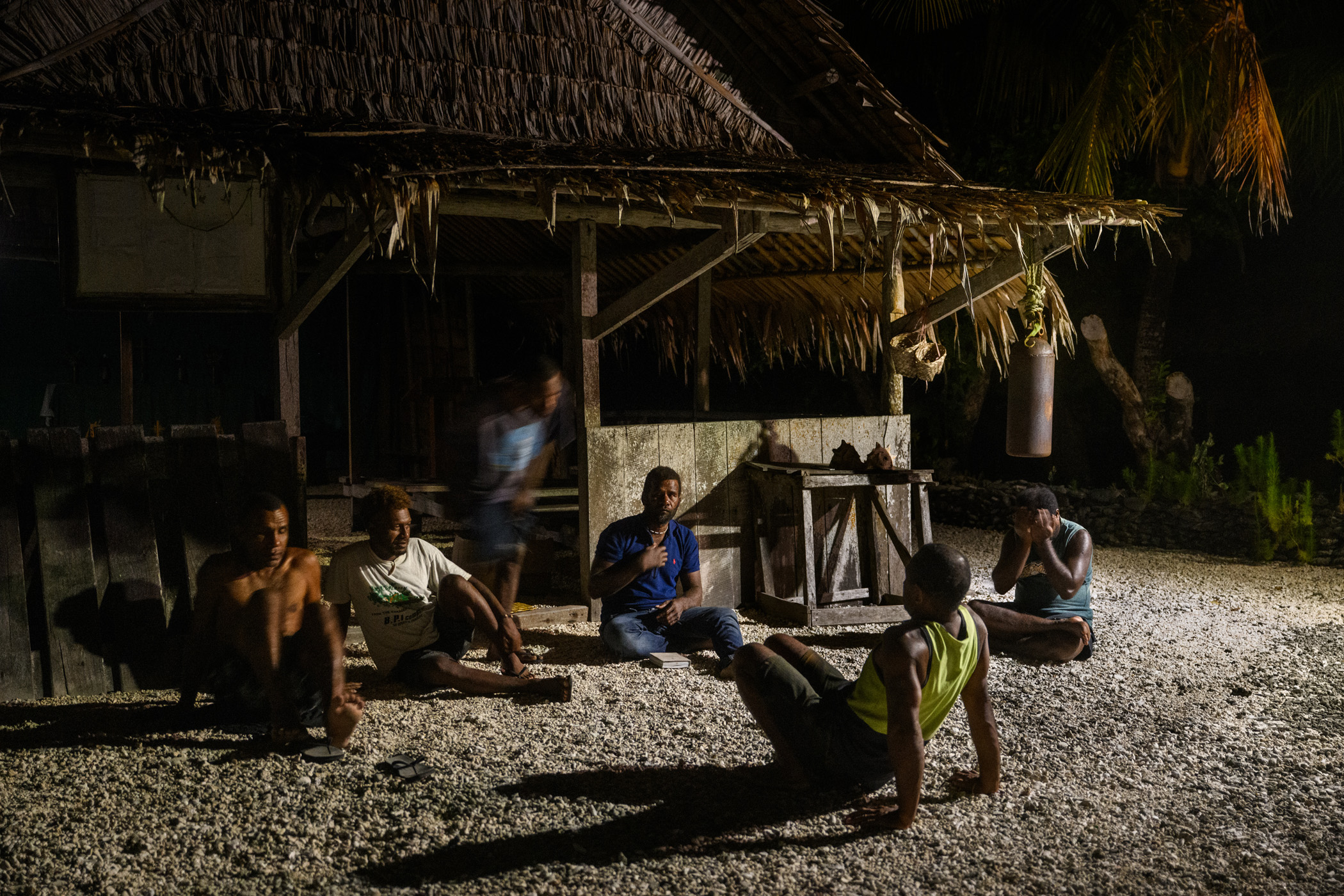
Fanalei Island, South Malaita, Solomon Islands. Before dawn, the men gather outside the small church on Fanalei, waiting for the wind and swell to subside—ideal conditions for a hunt. It is usually Lesley Fugui who rises first, walking the 150 metres of sand that stretches through the community, blowing a conch shell to rouse the dolphin hunters from their beds. Under moonlight, they shuffle quietly to the village church. Across the water in Fouele, villagers often hear the call and respond by blowing their own conch shell, or vice versa. The hunters then join local priest Willy Au (centre, blue shirt) for a short prayer before having a quick breakfast and setting out in their canoes. Some days, only six or seven men go to sea; on others, as many as 14 from Fanalei join the hunt.
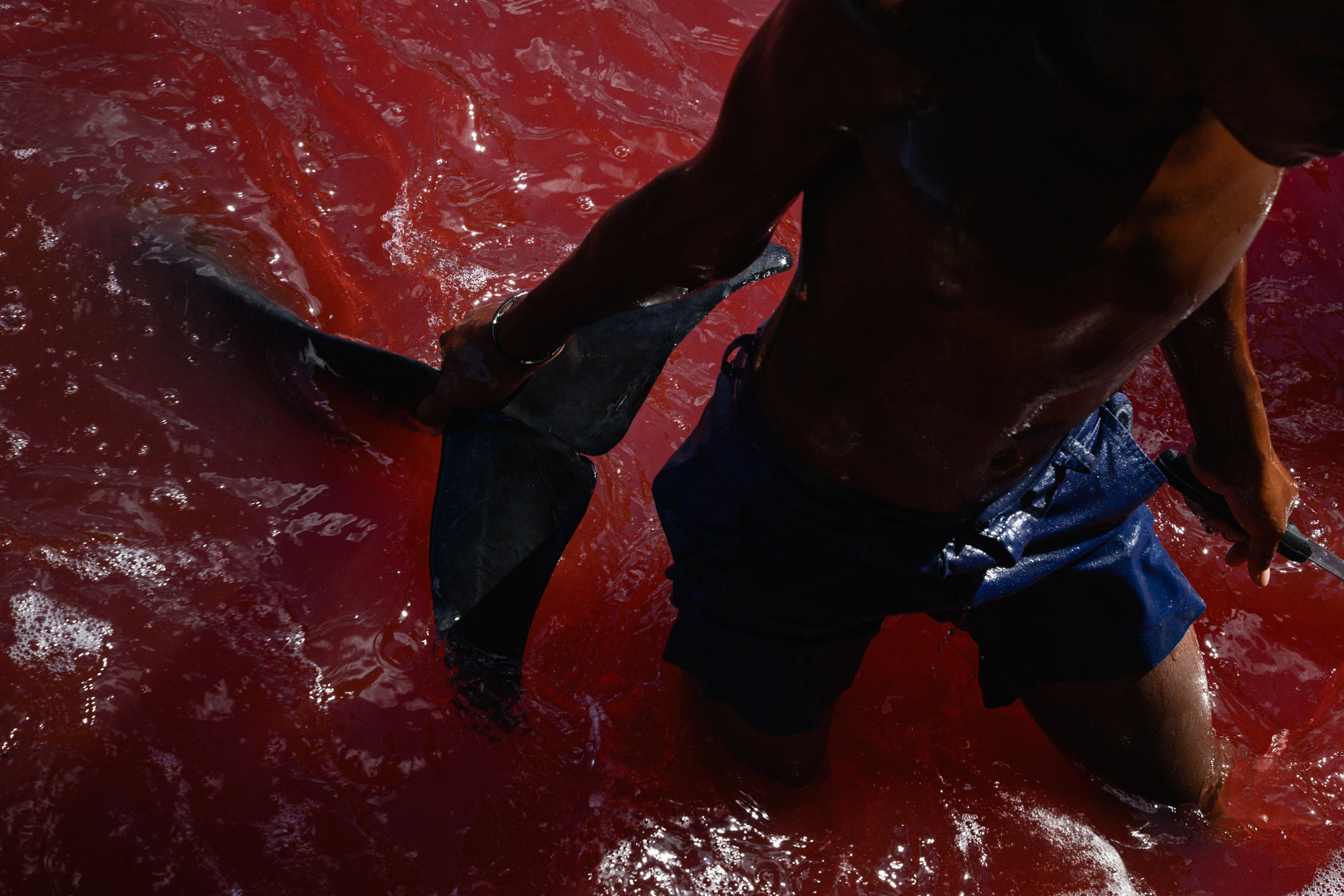
Walande, South Malaita, Solomon Islands. A young man drags a dolphin through blood-stained water towards the shore, where families are already butchering a large catch at Walande, a sister community to Fanalei within the same lagoon. Meat is divided according to custom, teeth set aside as currency, before portions are carried back across the lagoon to neighbouring villages. Walande was the only community in the lagoon to successfully hunt dolphins this year. While luck plays a role, the village has a larger population and has been slower to adopt seaweed farming, allowing more people to participate in the collective hunt. Walande, South Malaita, Solomon Islands.
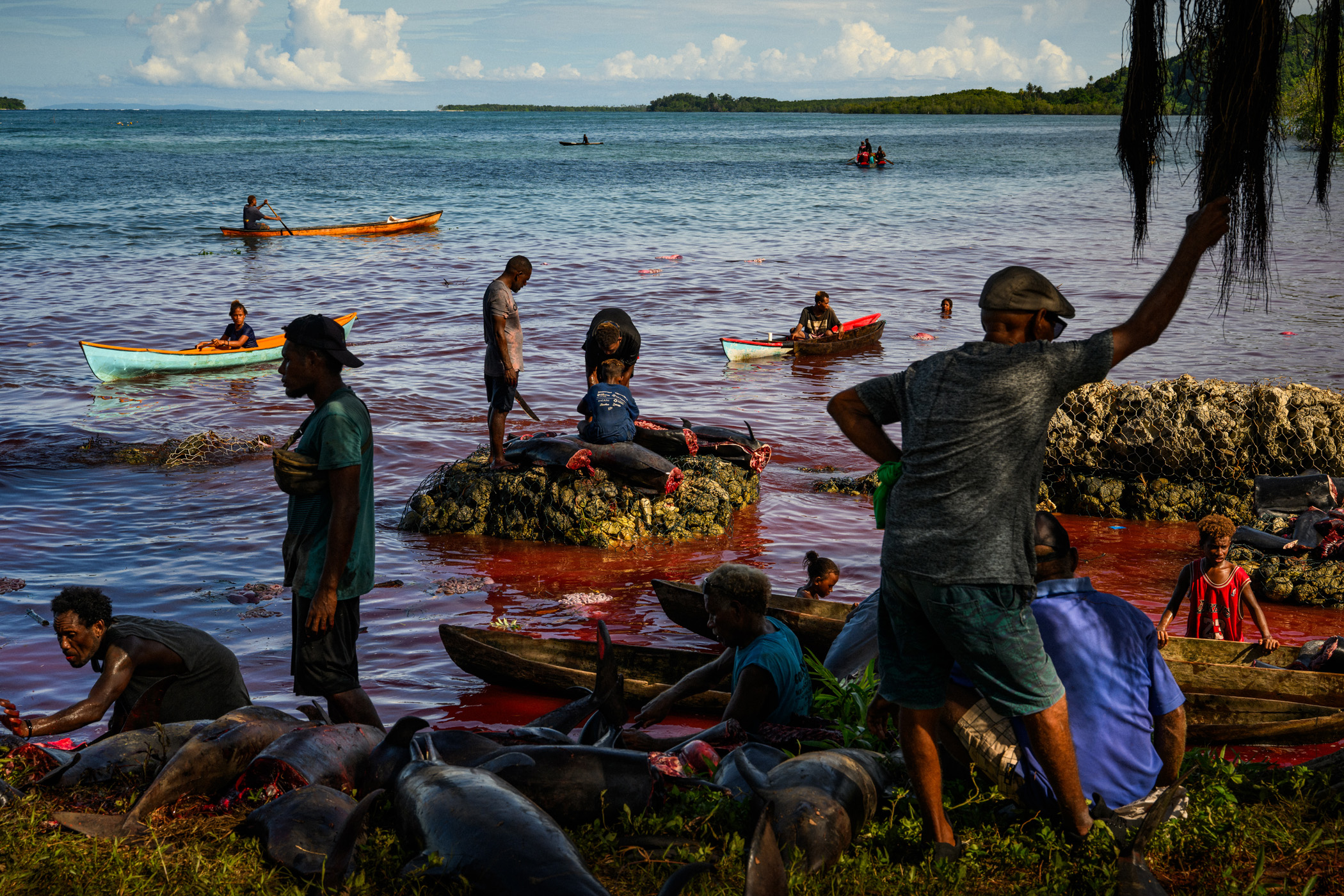
Walande, South Malaita, Solomon Islands. Walande villagers continue to butcher the dolphins, working along the foreshore and breakwall as they prepare the meat for distribution. Canoes lined up along the shore are gradually loaded with fresh cuts, ready to be transported back to homes and shared among the community. The process follows long-standing traditions, ensuring that every part of the catch is used.
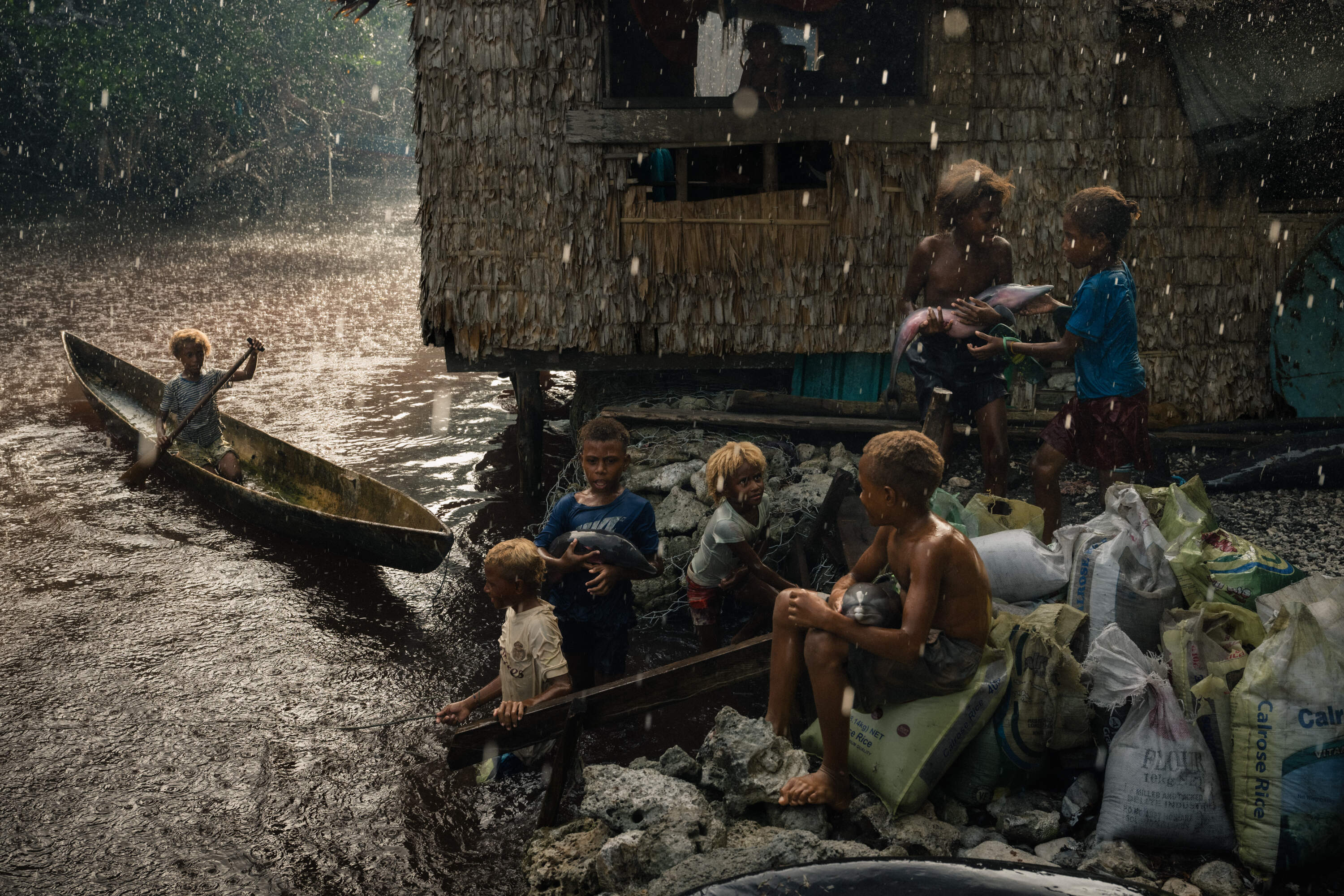
Walande, South Malaita, Solomon Islands. Children play with dead unborn dolphin calves while hunters continue butchering the catch nearby, a process that can take several hours after a large hunt. While dolphins are hunted as a source of food and income, they are also revered within the community, sung about in songs and painted as iconographic murals on church walls. The practice carries deep cultural meaning within the lagoon, even as it remains contested beyond it.
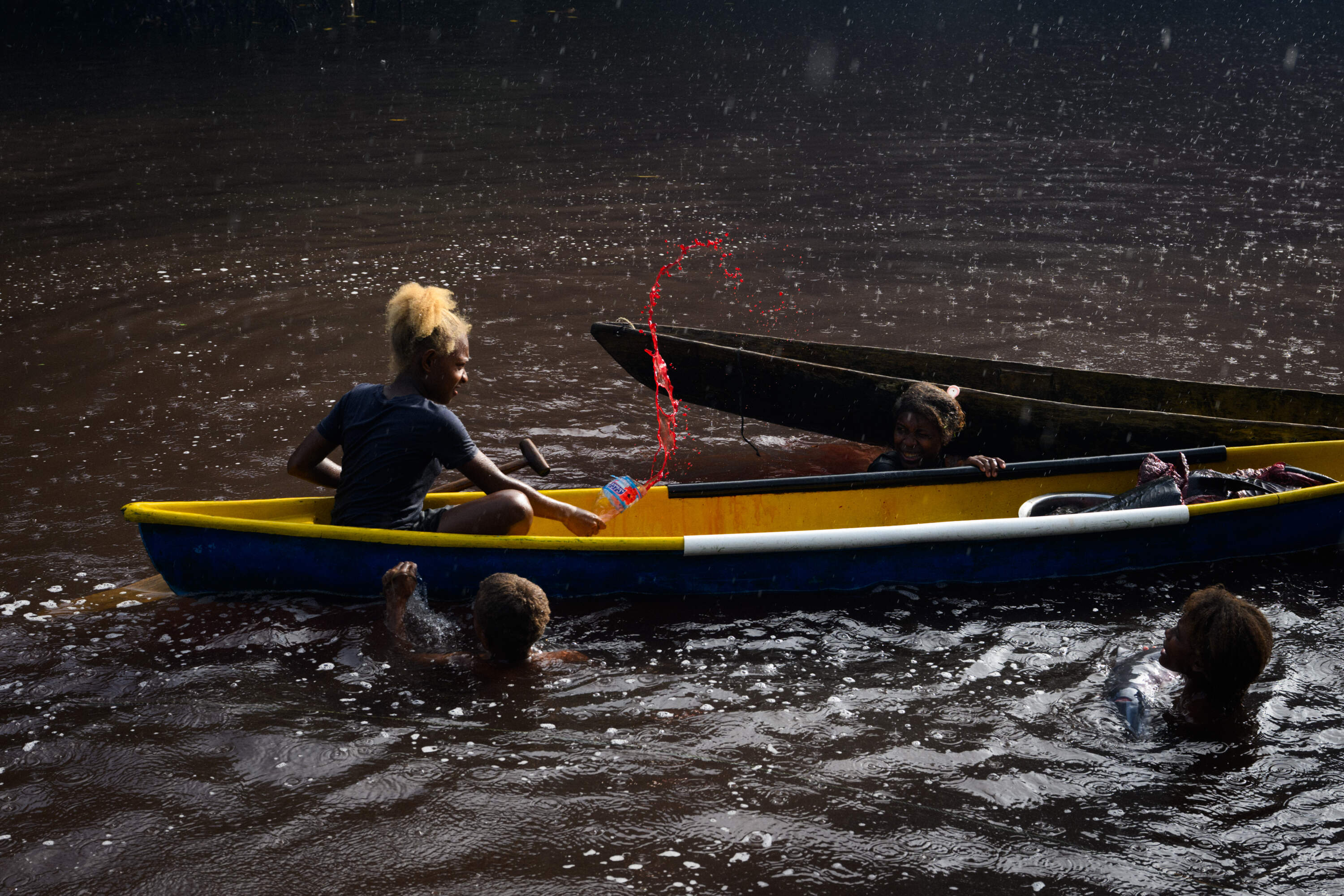
Walande, South Malaita, Solomon Islands. A young girl bails blood-soaked water from her canoe as children play nearby.
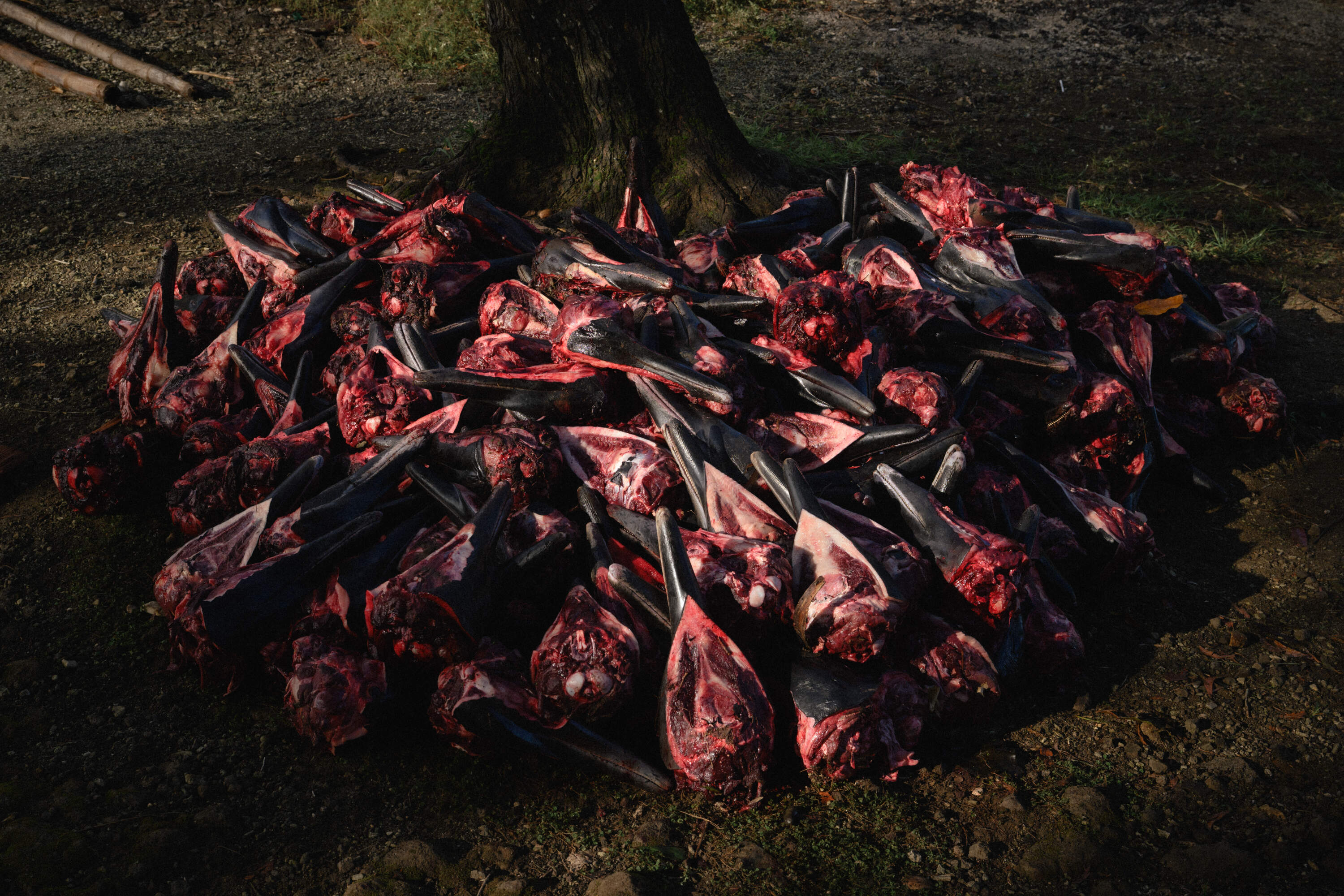
Walande, South Malaita, Solomon Islands. The severed heads of 333 dolphins lie in a pile after the hunt. Their teeth, used as currency and in bride-price ceremonies, are extracted and shared among hunters, widows, and extended families. For decades, this exchange has helped fund churches, schools, and land purchases on the mainland.
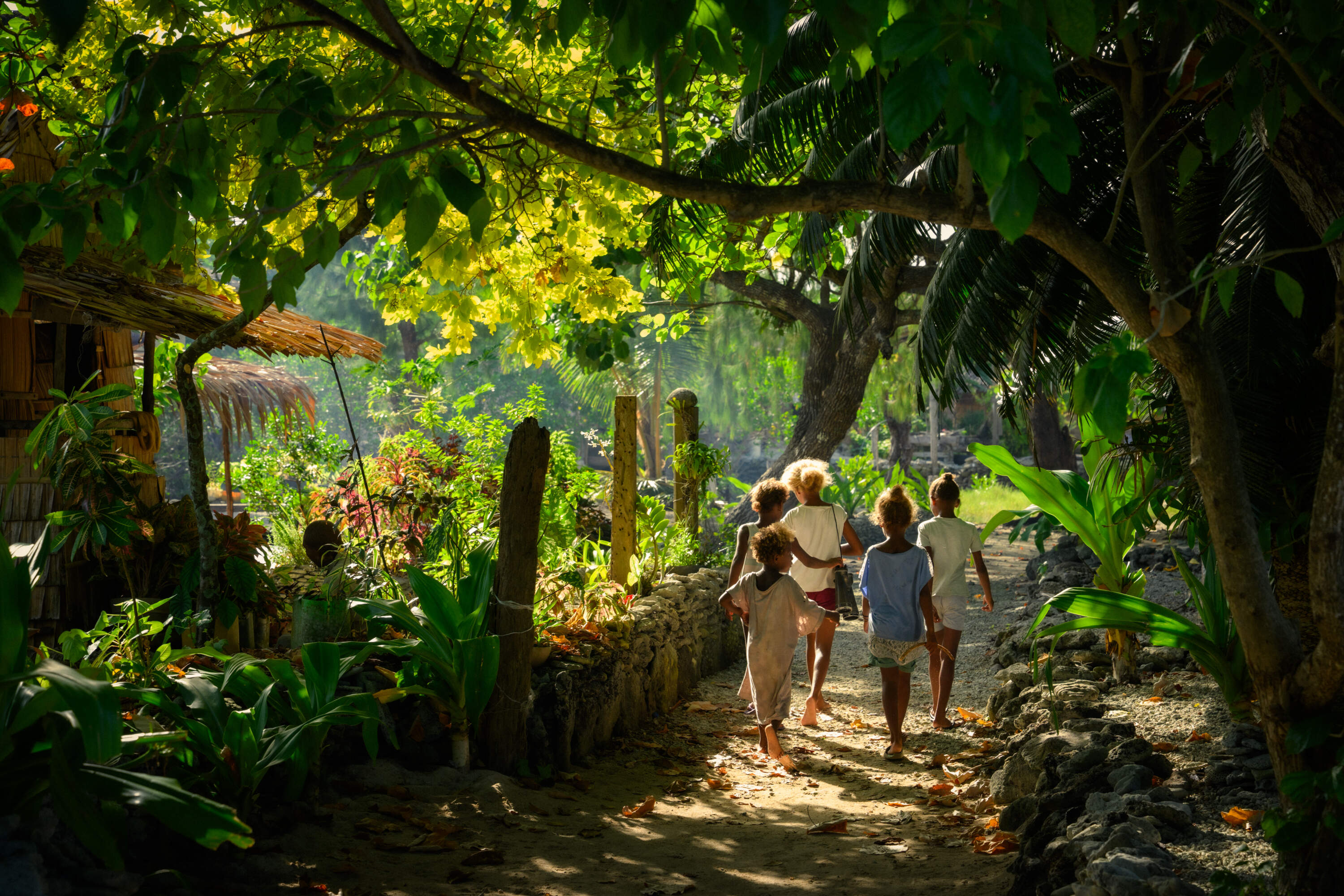
Fanalei Island, South Malaita, Solomon Islands. Early in the morning, young girls walk to the ocean side, to scan the horizon with binoculars for signs of the returning dolphin hunters.
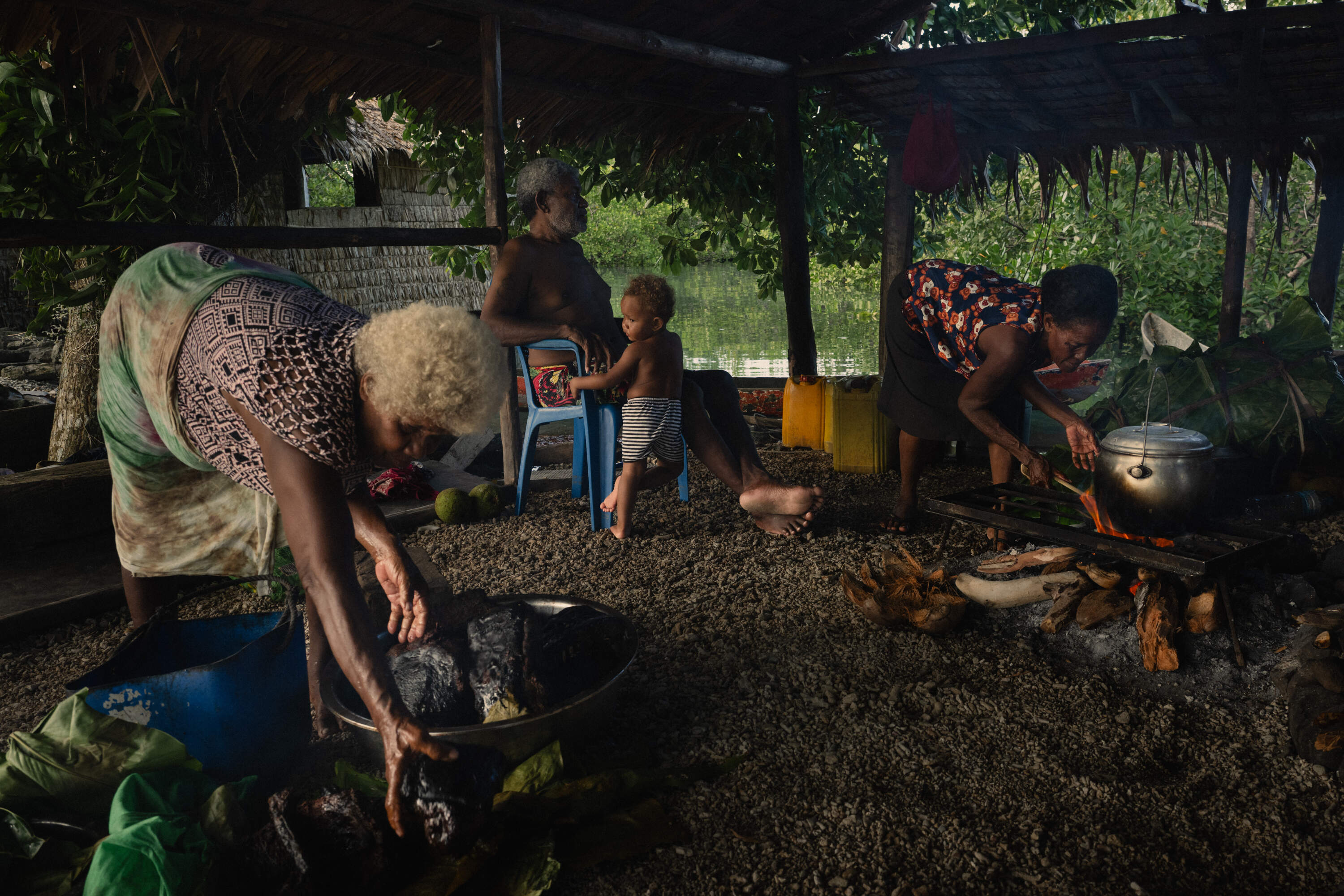
Fanalei Island, South Malaita, Solomon Islands. Catherine and Thomas, along with their grandchild and Anne Faifo (left), prepare a fire to cook dolphin meat gifted to them by the Walande community. So far, the Fanalei villagers have not had a successful hunt this season, despite several attempts.
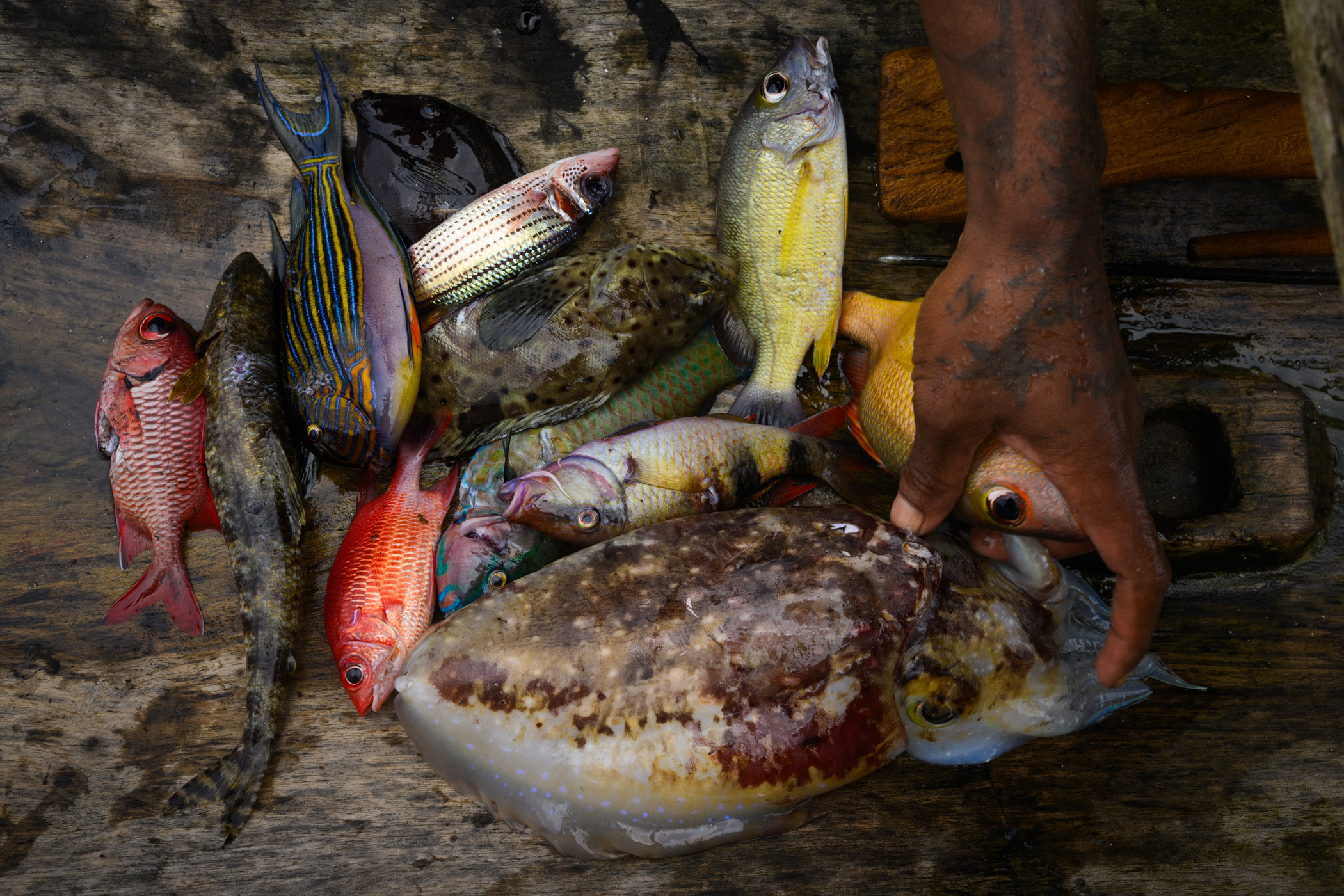
Fanalei Island, South Malaita, Solomon Islands. The lagoon is a rich hunting ground for spearfishing, with healthy coral and abundant fish. However, growing populations have put increasing pressure on the ecosystem, leading to fewer large fish. Reef fish, which are easier to catch, have become the primary target, while larger pelagic species—found further out at sea—require far more effort and are more unpredictable and a less reliable food source for villagers.
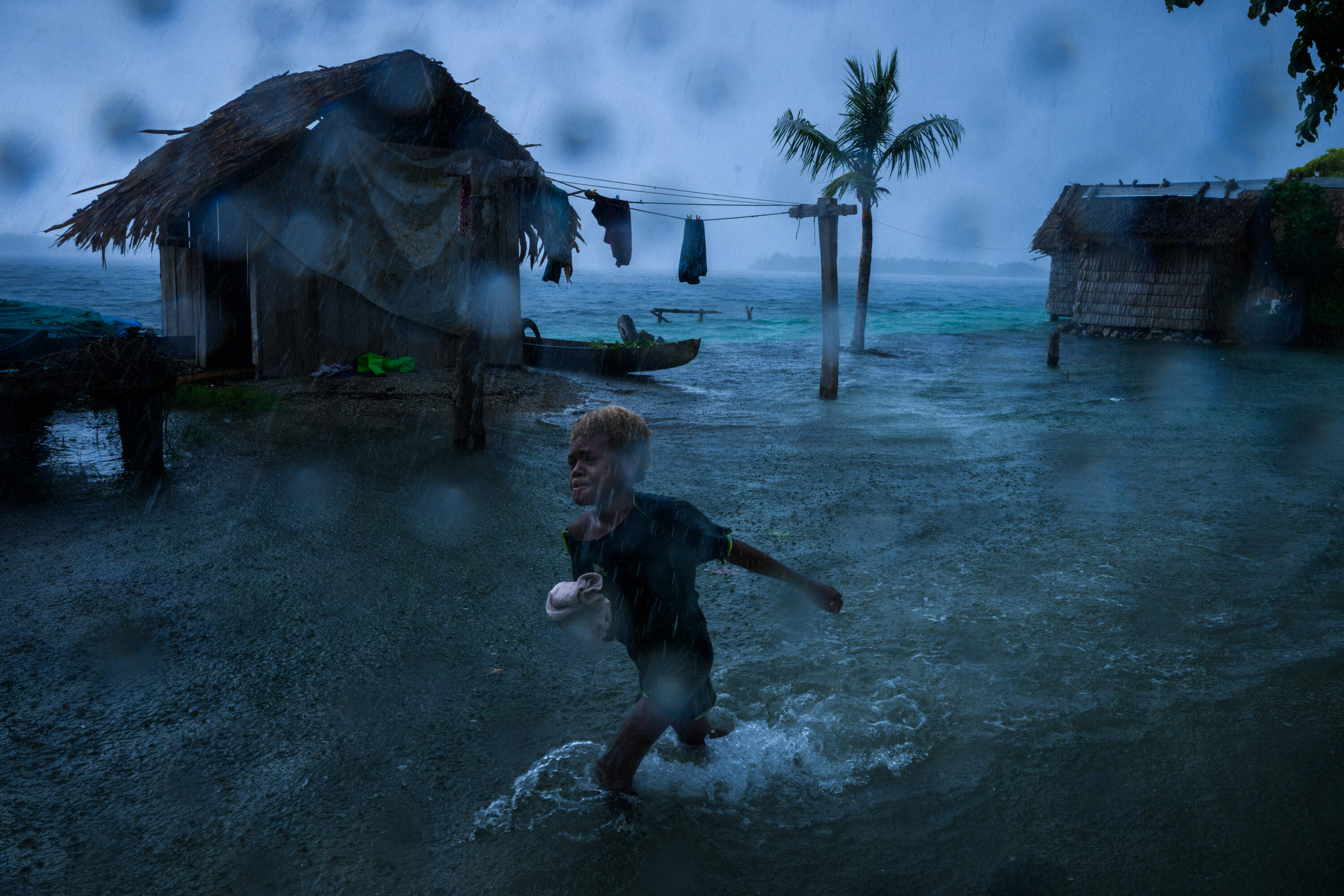
Fanalei Island, South Malaita, Solomon Islands. A young boy wades through rising waters during a heavy storm and high tide on Fanalei Island, where homes are increasingly surrounded, and sometimes flooded, by the encroaching sea. With each tide creeping higher, villagers fear their island may soon become uninhabitable.
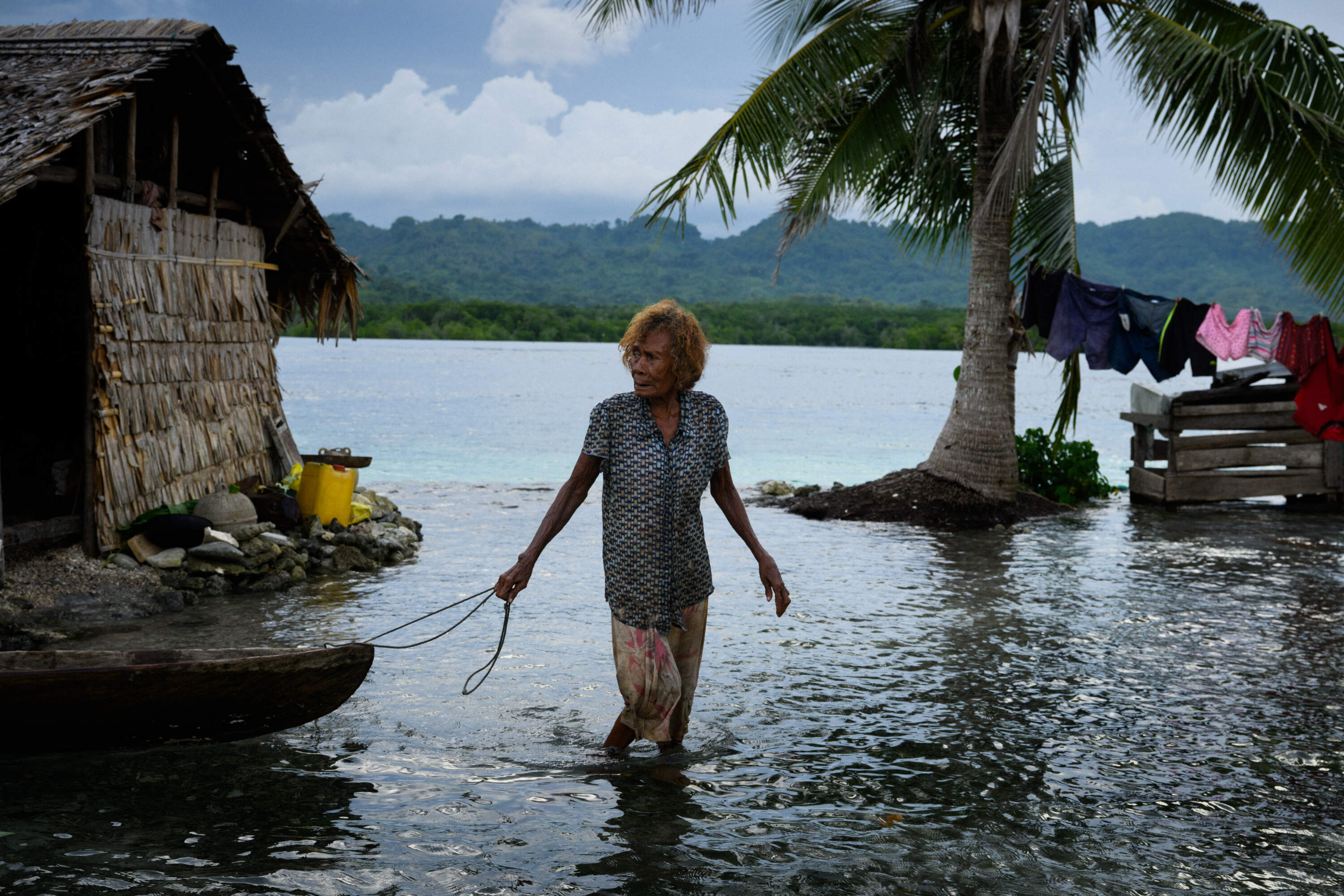
Fanalei Island, South Malaita, Solomon Islands . Town elder Ellen Alaha continues to live on Fanalei Island, despite much of her home being nearly inundated by rising tides. Here, she wades through knee-deep water as she offloads the day's haul of vegetables and fresh water before securing her canoe.
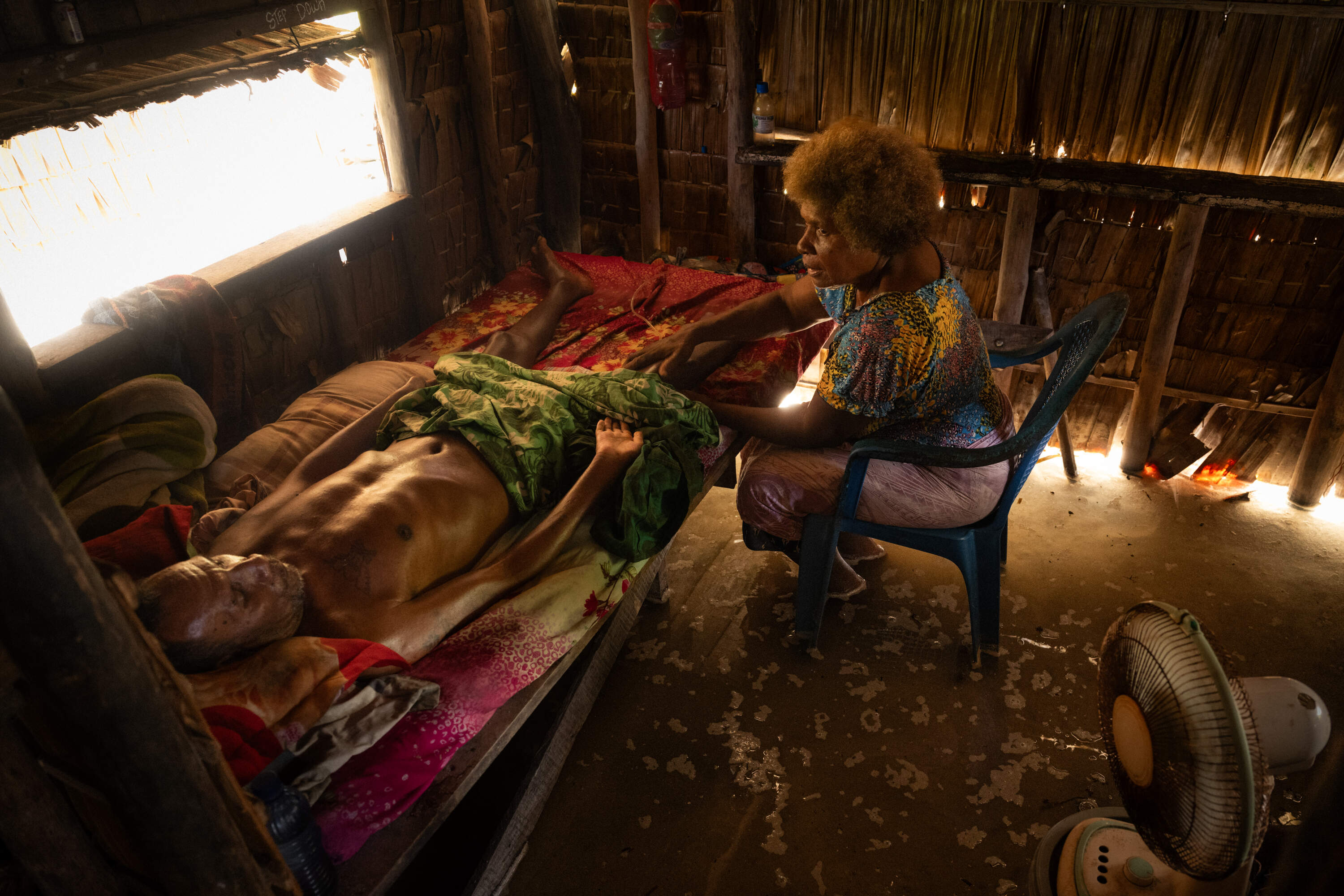
Fanalei Island, South Malaita, Solomon Islands. Eddie Sua, once a skilled fisherman and respected dolphin hunter, has been paralysed for two years and is confined to his small hut, which floods during high tides. His wife, Florence, massages him hourly to maintain circulation. In remote Fanalei, even basic medical care requires a 30-minute canoe journey across the lagoon. Reflecting on the community's long-standing dependence on the dolphin hunt, Eddie says, 'If we didn't have dolphin teeth, we'd have no other choice but to eat rocks.'
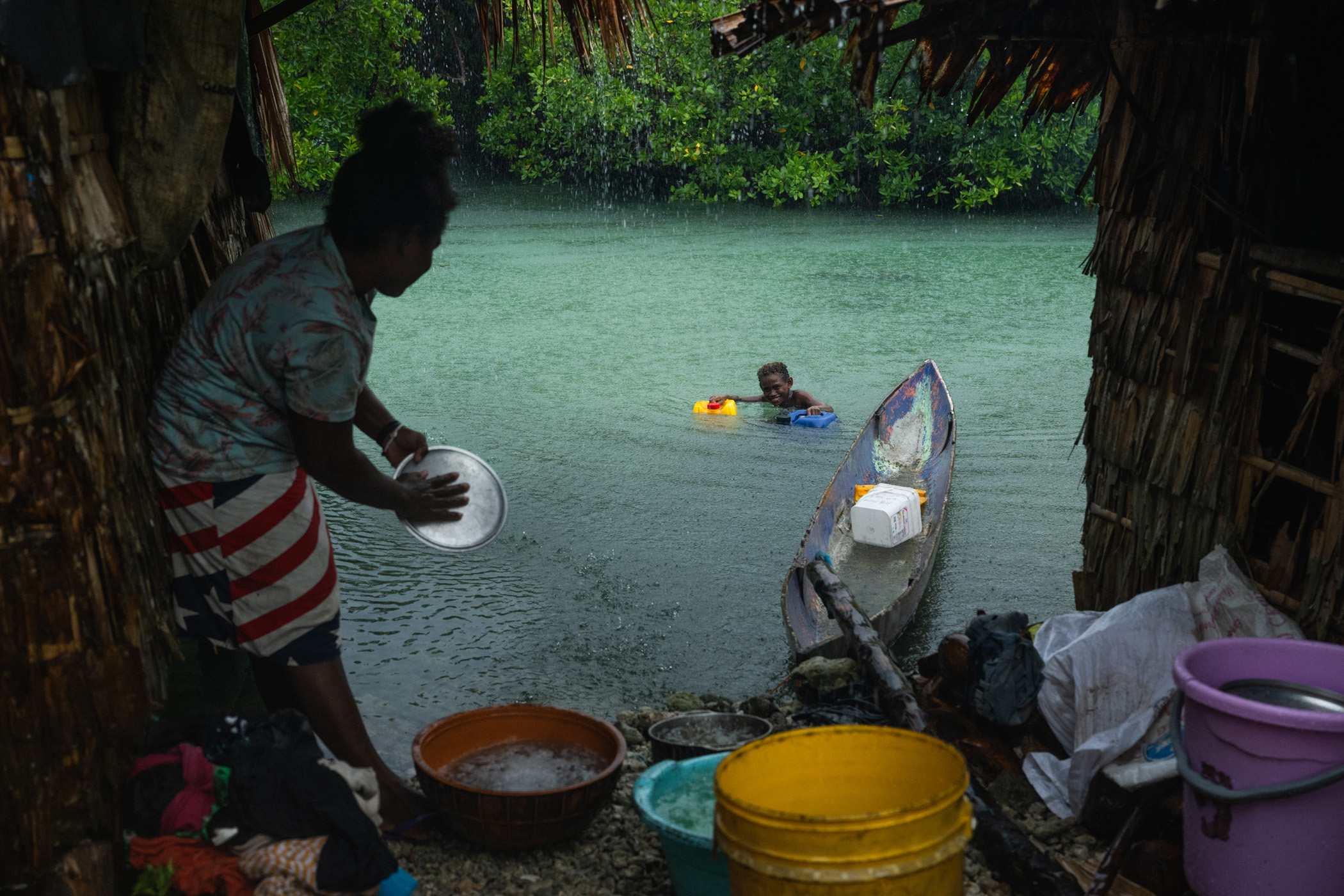
Fanalei Island, South Malaita, Solomon Islands. A young boy floats containers of water from a nearby tank, a vital resource on Fanalei Island. With no natural freshwater sources, villagers rely on shared rainwater tanks for drinking and collect as much runoff as possible from their rooftops during storms for bathing, washing clothes, and other daily needs.
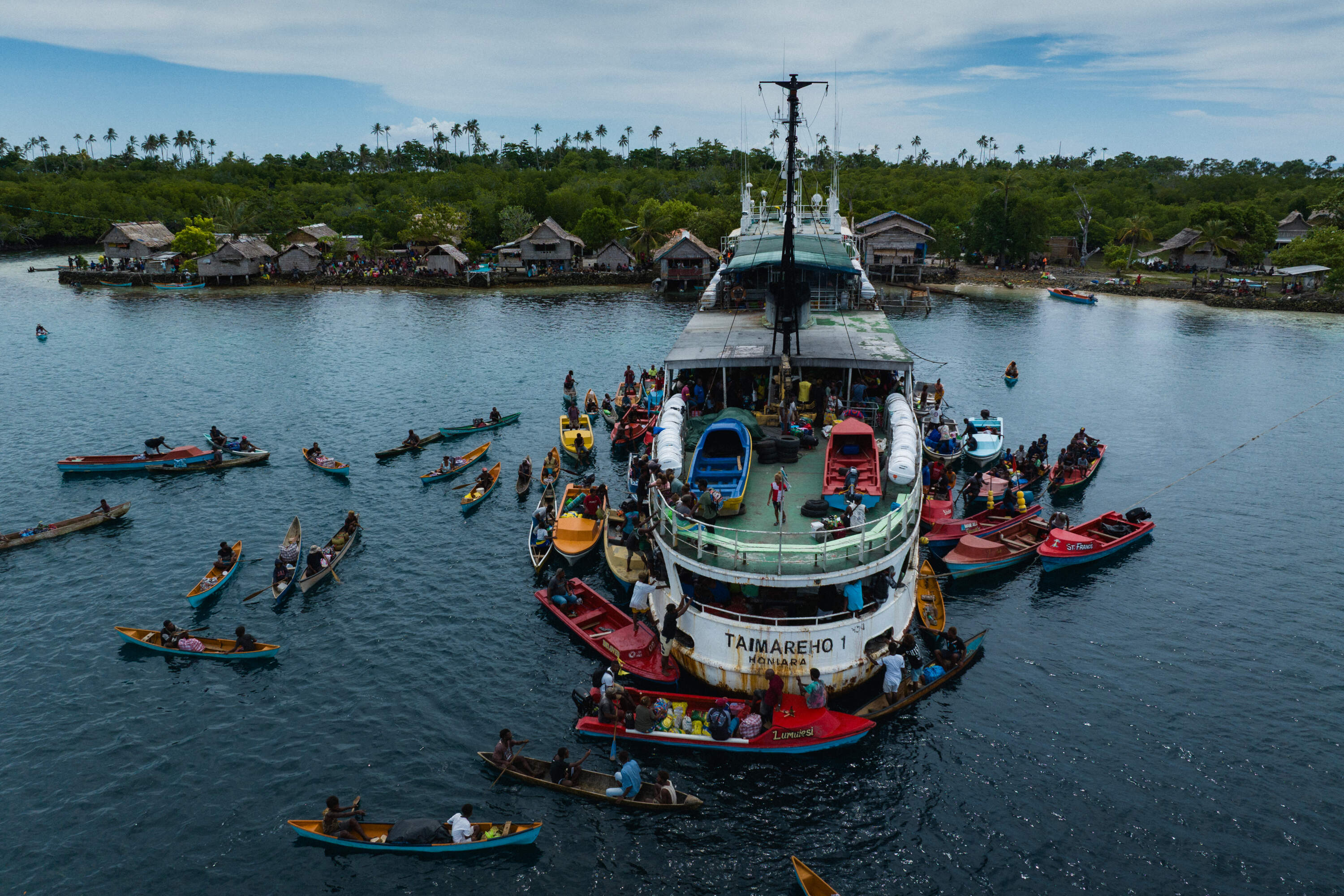
Fanalei Island, South Malaita, Solomon Islands. A supply ship carrying passengers, food, and essential goods arrives at Fanalei, drawing villagers from across the region and temporarily tripling the island's population. The ship, which typically arrives every two weeks, had been delayed, making this visit especially critical. As it pulled in, a swarm of canoes and small boats rushed to offload supplies as quickly as possible. Onshore, pop-up markets emerged, turning the day into a social gathering. The unloading and reloading of goods stretched on for hours before the ship finally departed for Honiara.
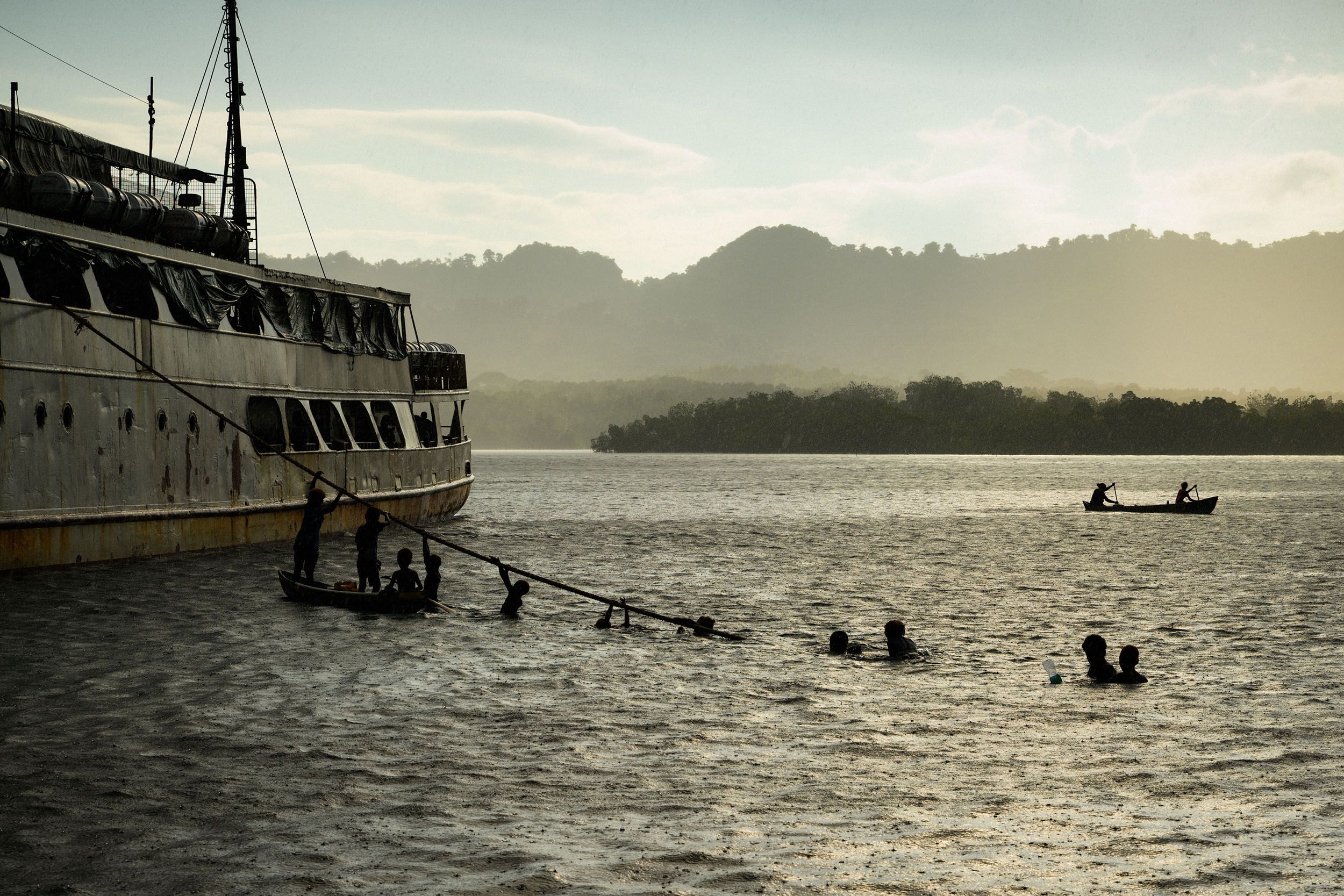
Fanalei Island, South Malaita, Solomon Islands. Children play on the ropes anchoring a supply ship moored at Fanalei Island as an afternoon shower starts.
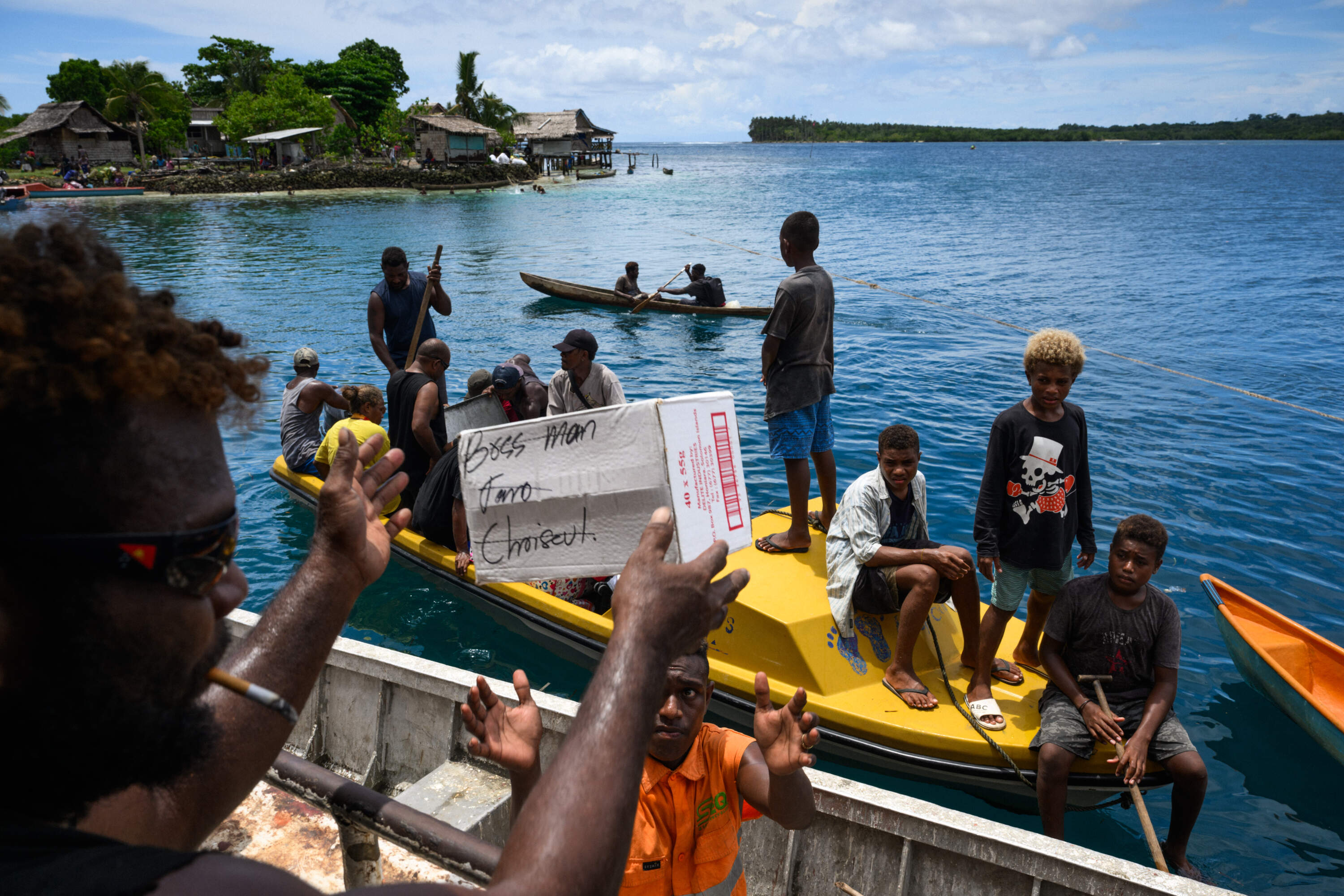
Fanalei Island, South Malaita, Solomon Islands. A parcel addressed to 'Boss Man' is thrown from a supply ship moored at Fanalei, to small boats waiting to take the ship's cargo to the island. The ship is also carrying passengers, food, and essential goods. It draws villagers from across the region, temporarily tripling the island's population. The ship, which typically arrives every two weeks, had been delayed, making this visit especially critical. As it pulled in, a swarm of canoes and small boats rushed to offload supplies as quickly as possible. Onshore, pop-up markets emerged, turning the day into a social gathering. The unloading and reloading of goods stretched on for hours before the ship finally departed for Honiara.
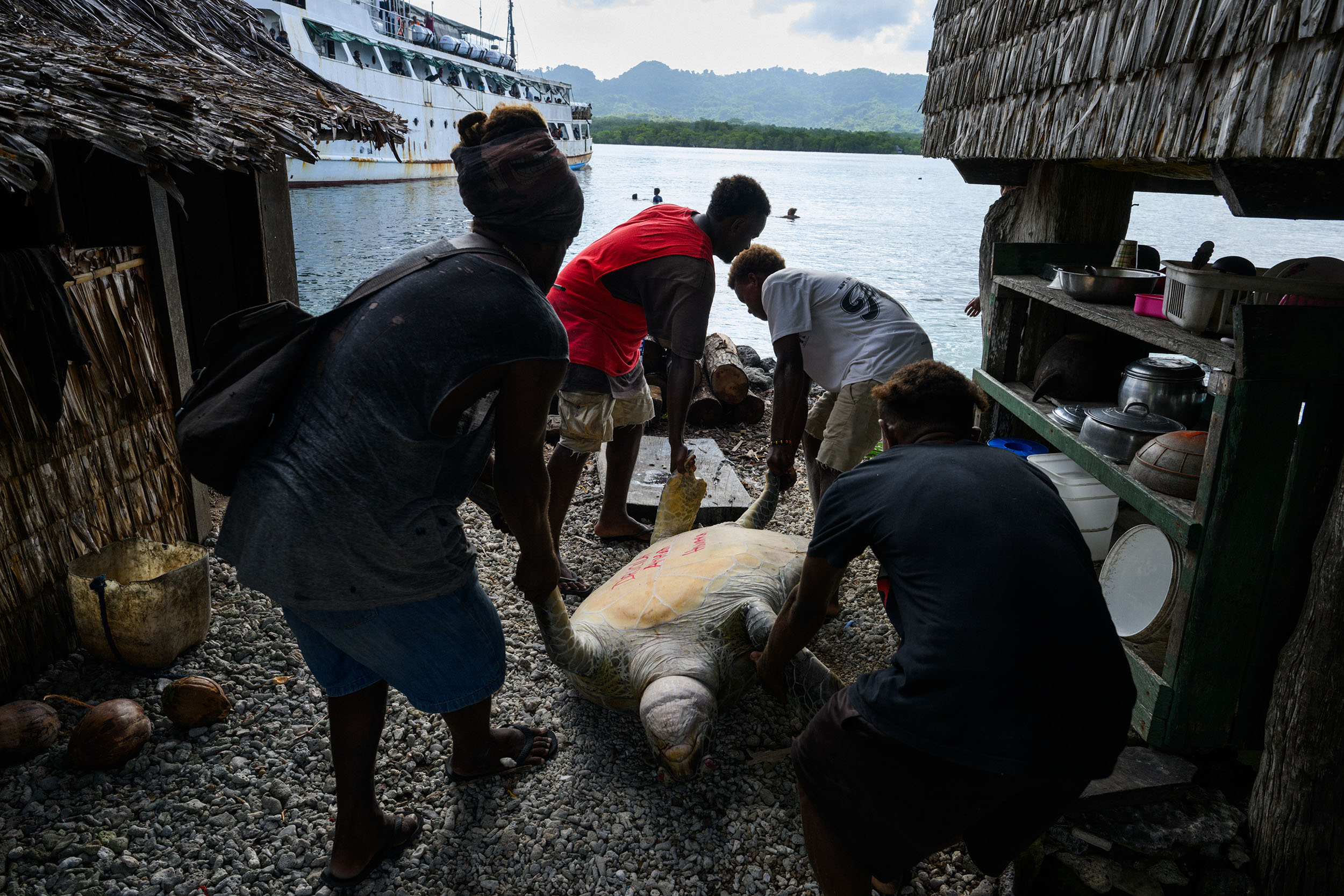
Fanalei Island, South Malaita, Solomon Islands. A live sea turtle, ordered by a resident in Honiara for 1,000 Solomon Islands dollars, is loaded onto a small boat before being transferred to the larger supply ship bound for the capital.
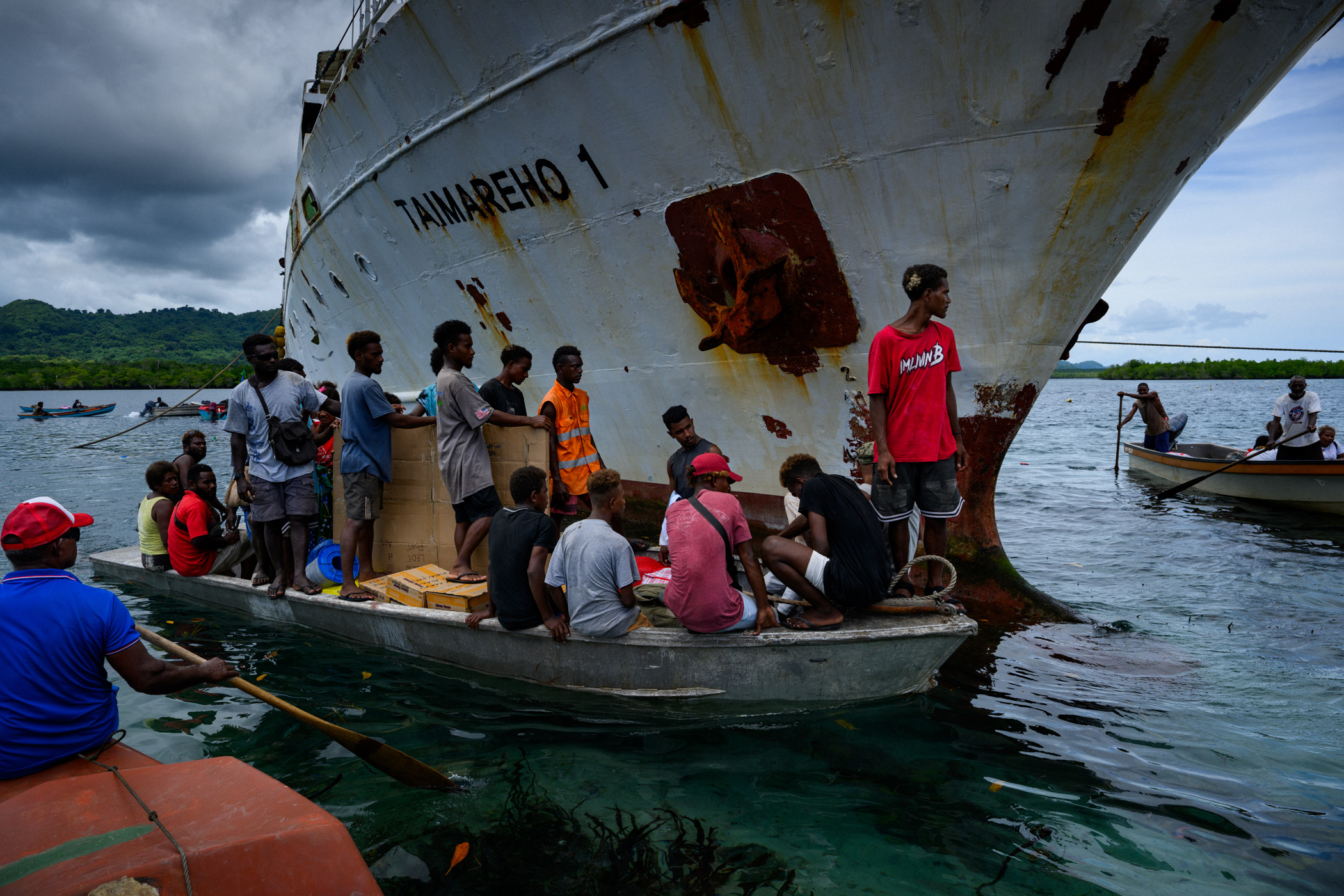
Fanalei Island, South Malaita, Solomon Islands. Passengers and a boat loaded with goods make their way past the supply ship, heading toward Fanalei Island.
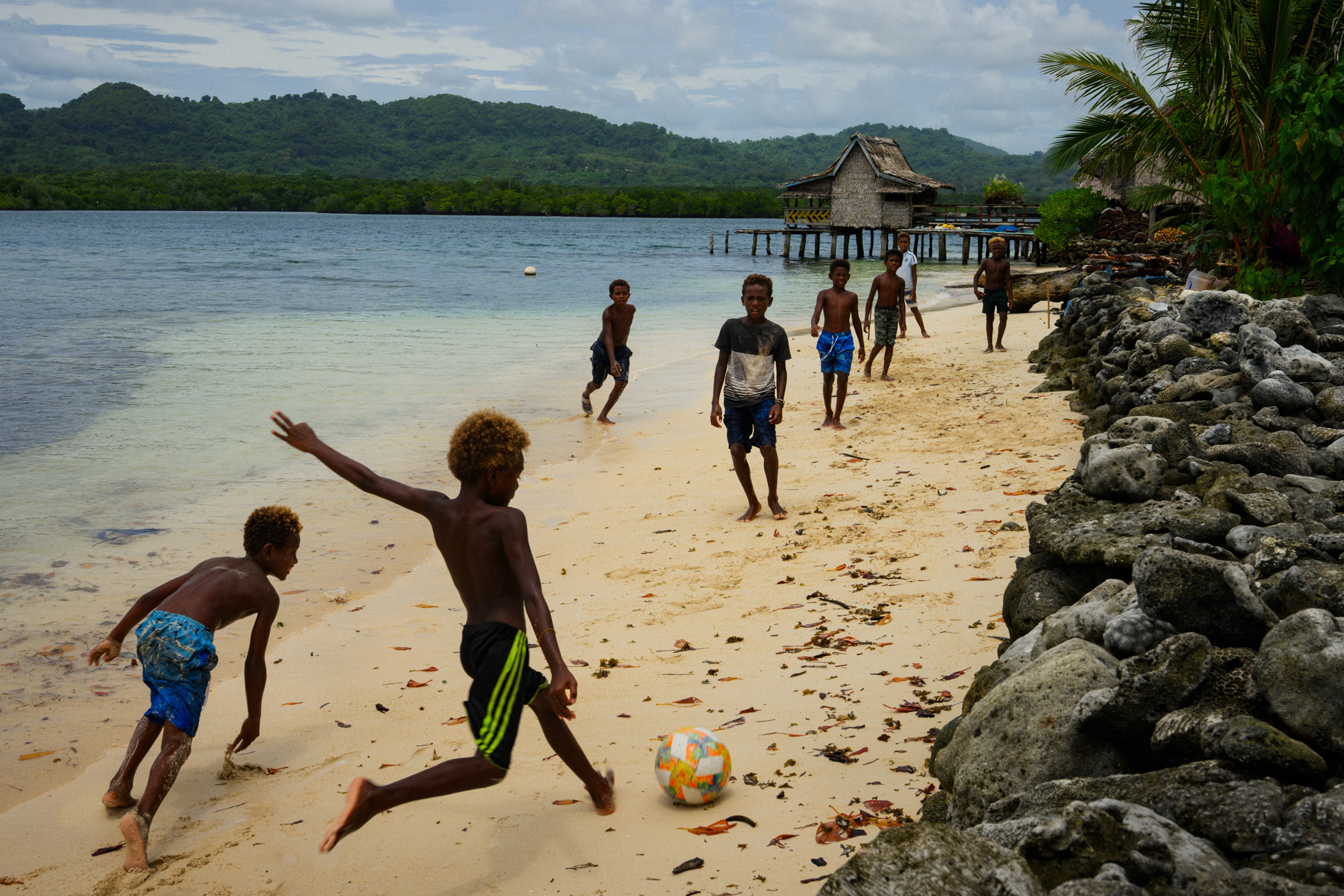
Fanalei Island, South Malaita, Solomon Islands. Young boys play soccer on a narrow strip of sand, exposed only at low tide. Fanalei Island, a small and vulnerable community in the Solomon Islands, is rapidly disappearing due to rising seas. At high tide, most of the island is submerged, forcing villagers to build houses on stilts and construct coral sea walls in a desperate attempt to slow erosion. Many trees have died from saltwater intrusion, and locals believe they have only 5 to 10 years at best before they must leave.
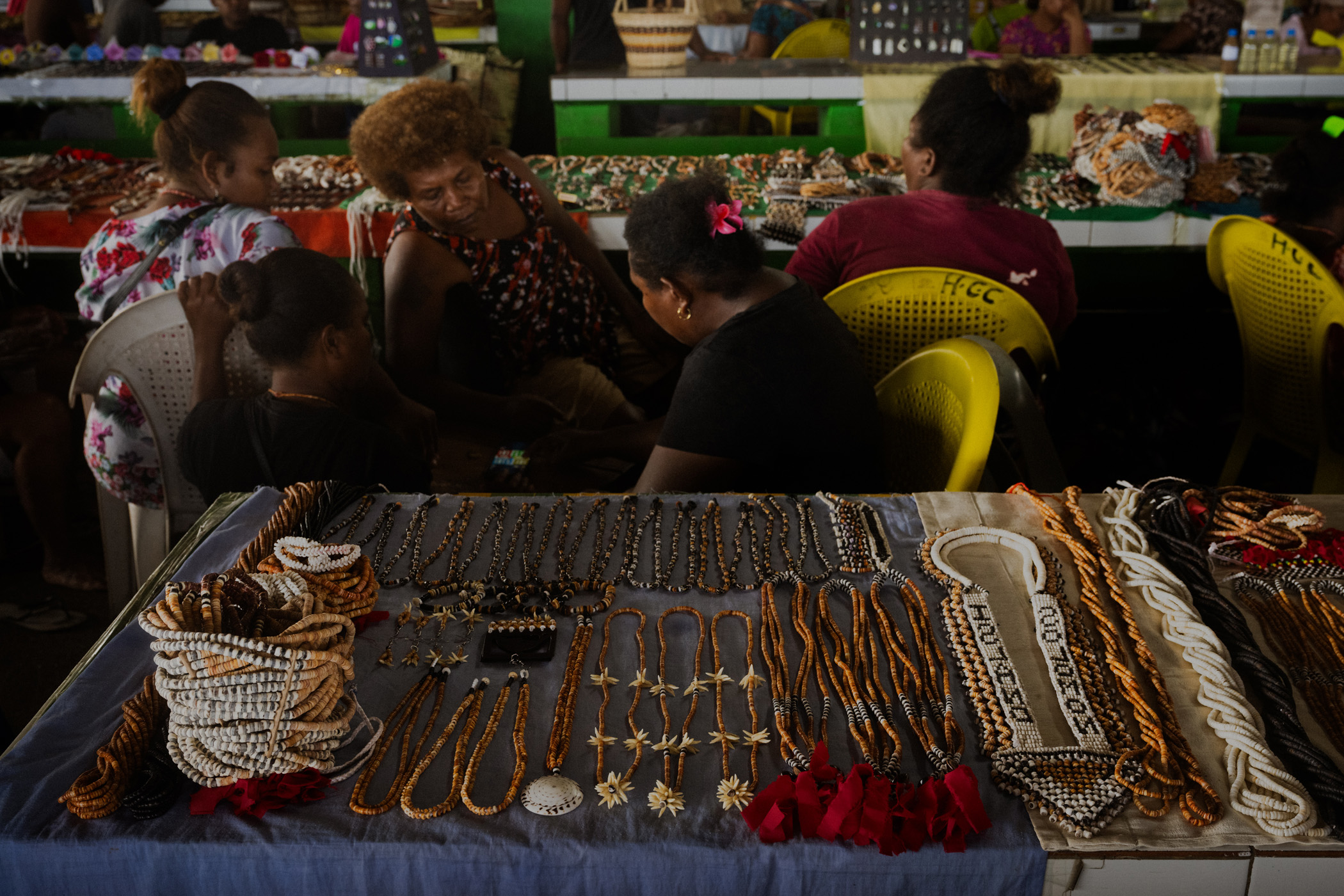
Honiara, Solomon Islands. Dolphin teeth necklaces are sold in Honiara central market for tourists and locals who appreciate the cultural jewellery.
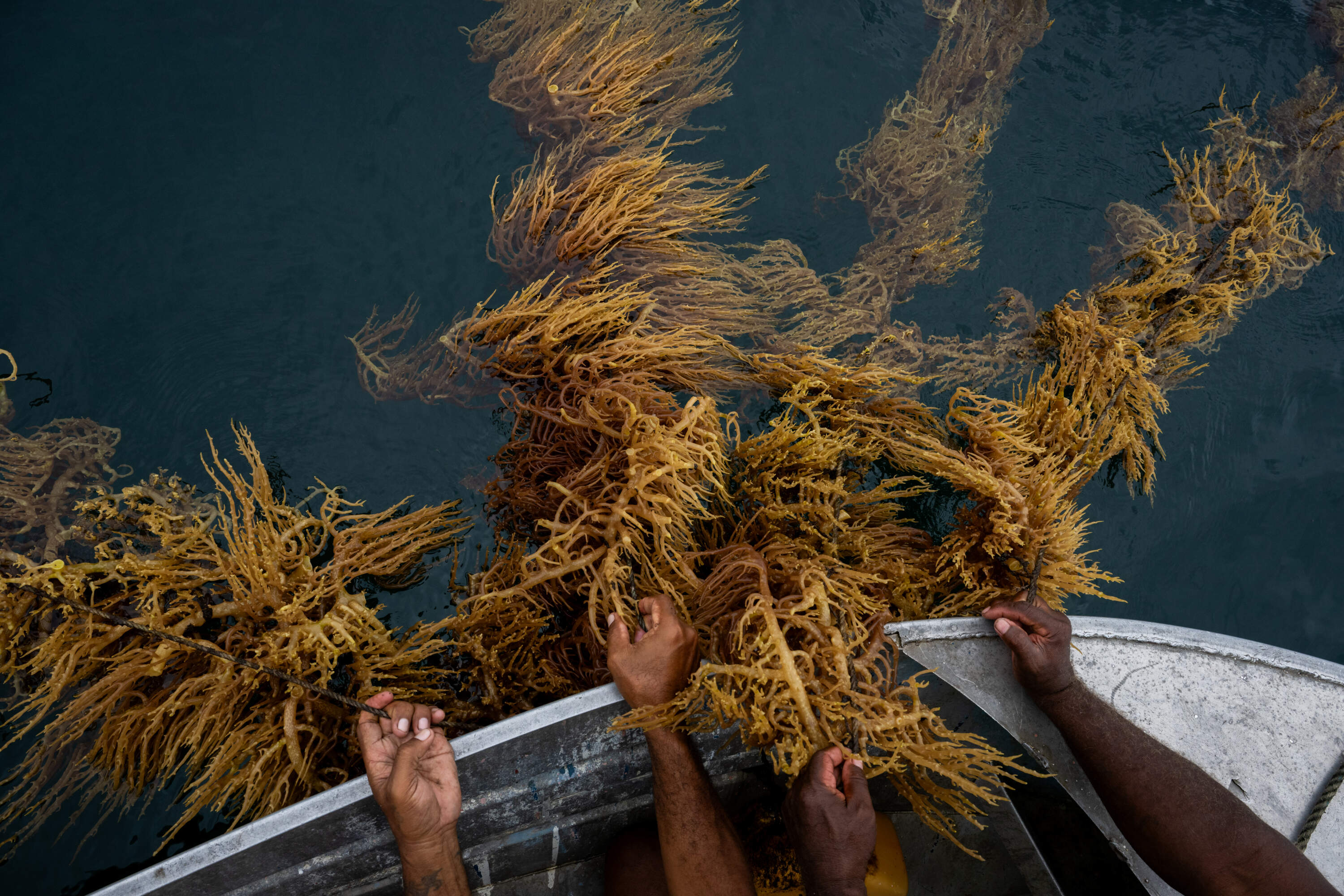
Fanalei Island, South Malaita, Solomon Islands. Seaweed farmers pull in seeweed from within the lagoon, bringing in freshly harvested seaweed to be dried and prepared for sale.
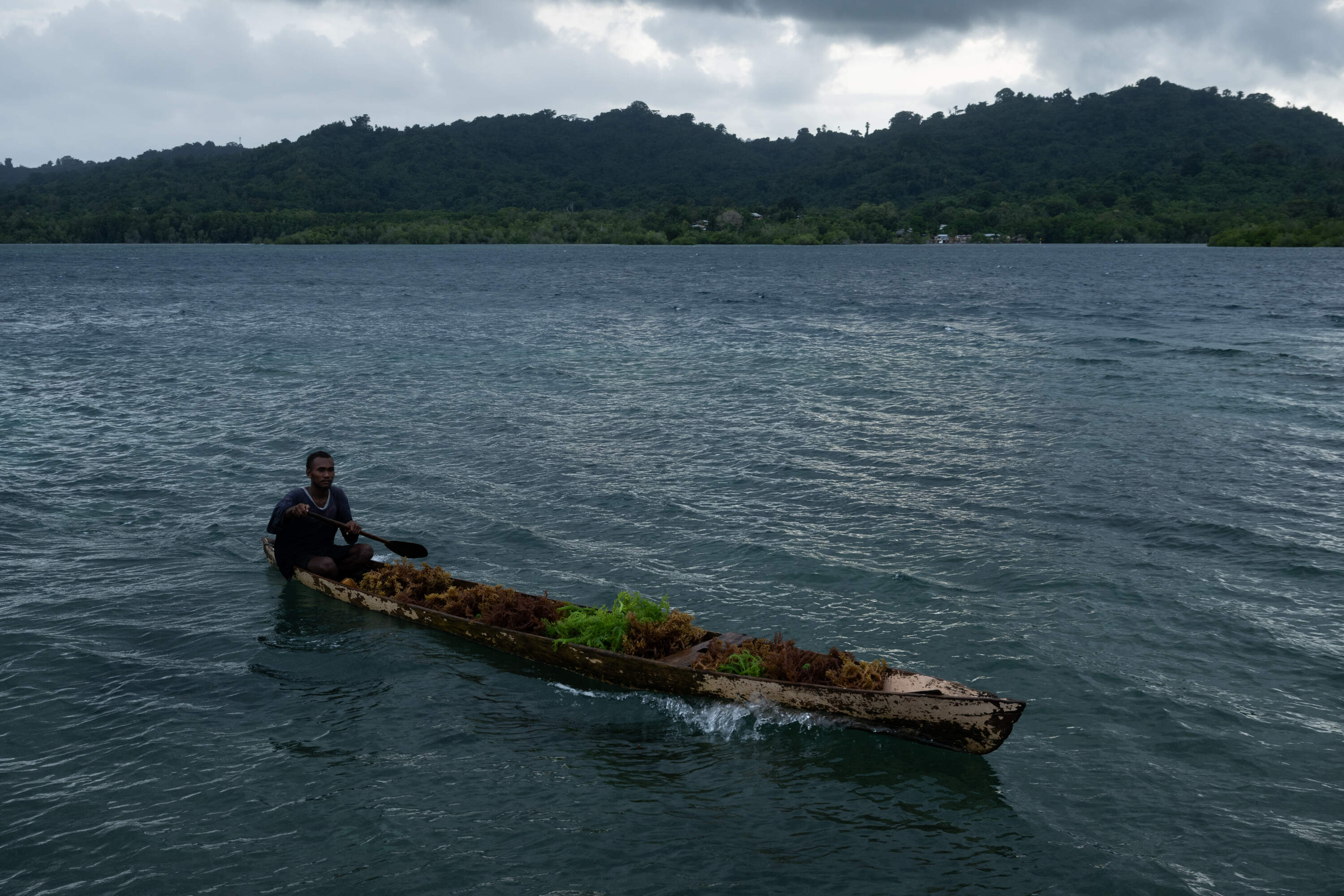
Fanalei Island, South Malaita, Solomon Islands. A man paddles a canoe loaded with seaweed toward Fanalei Island, returning from the lagoon farms that have become an increasingly important source of income for the community.
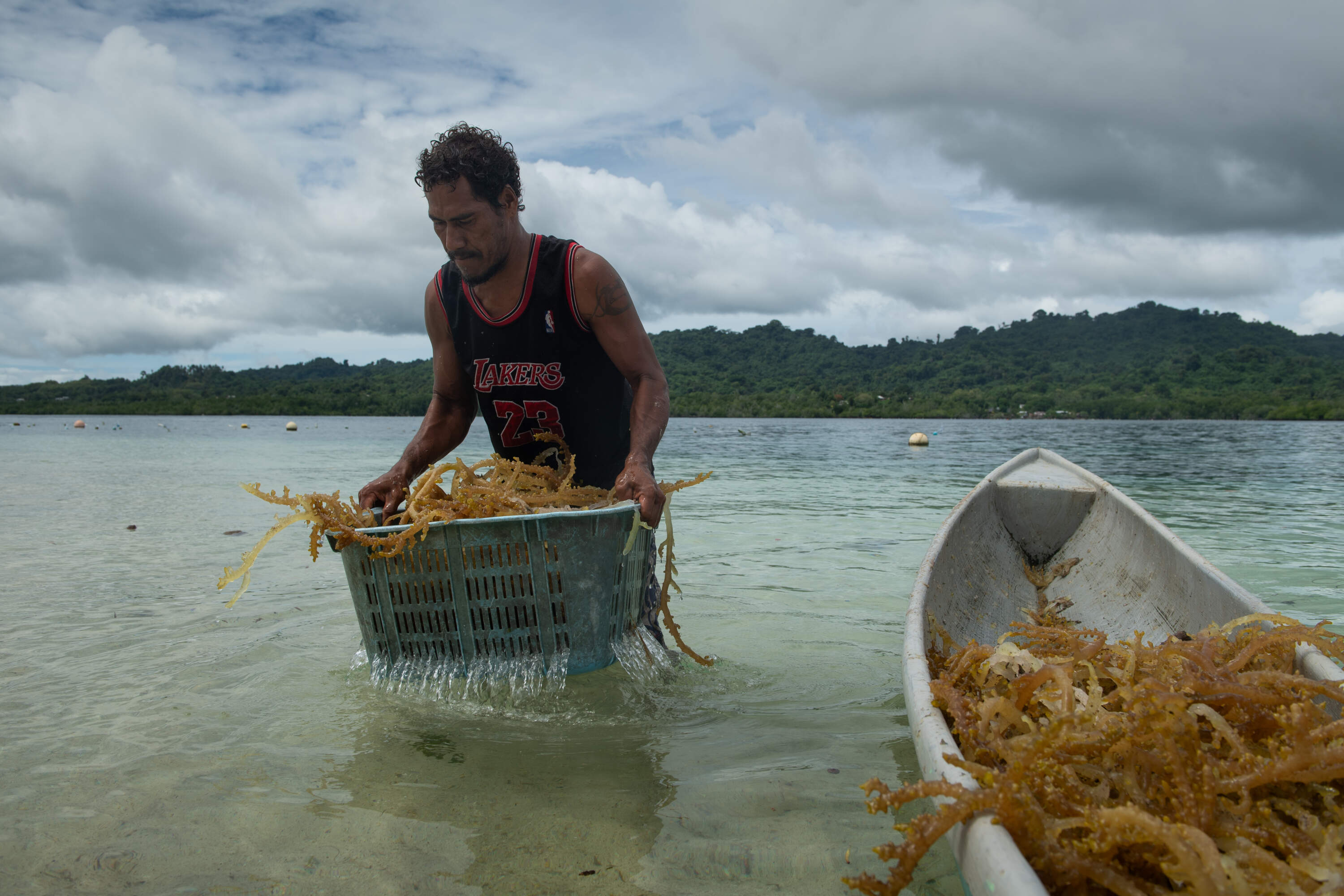
Fanalei Island, South Malaita, Solomon Islands. A resident of Fanalei lifts a basket of freshly harvested seaweed from the lagoon in front of Fanalei Island. A new father, he now spends most of his time tending his seaweed farm rather than joining dolphin hunts, reflecting a broader shift within the community. As rising seas threaten the island and traditional hunting becomes increasingly uncertain, seaweed farming has emerged as a more reliable source of income, linking this remote lagoon to global markets and gradually reshaping life in Fanalei.
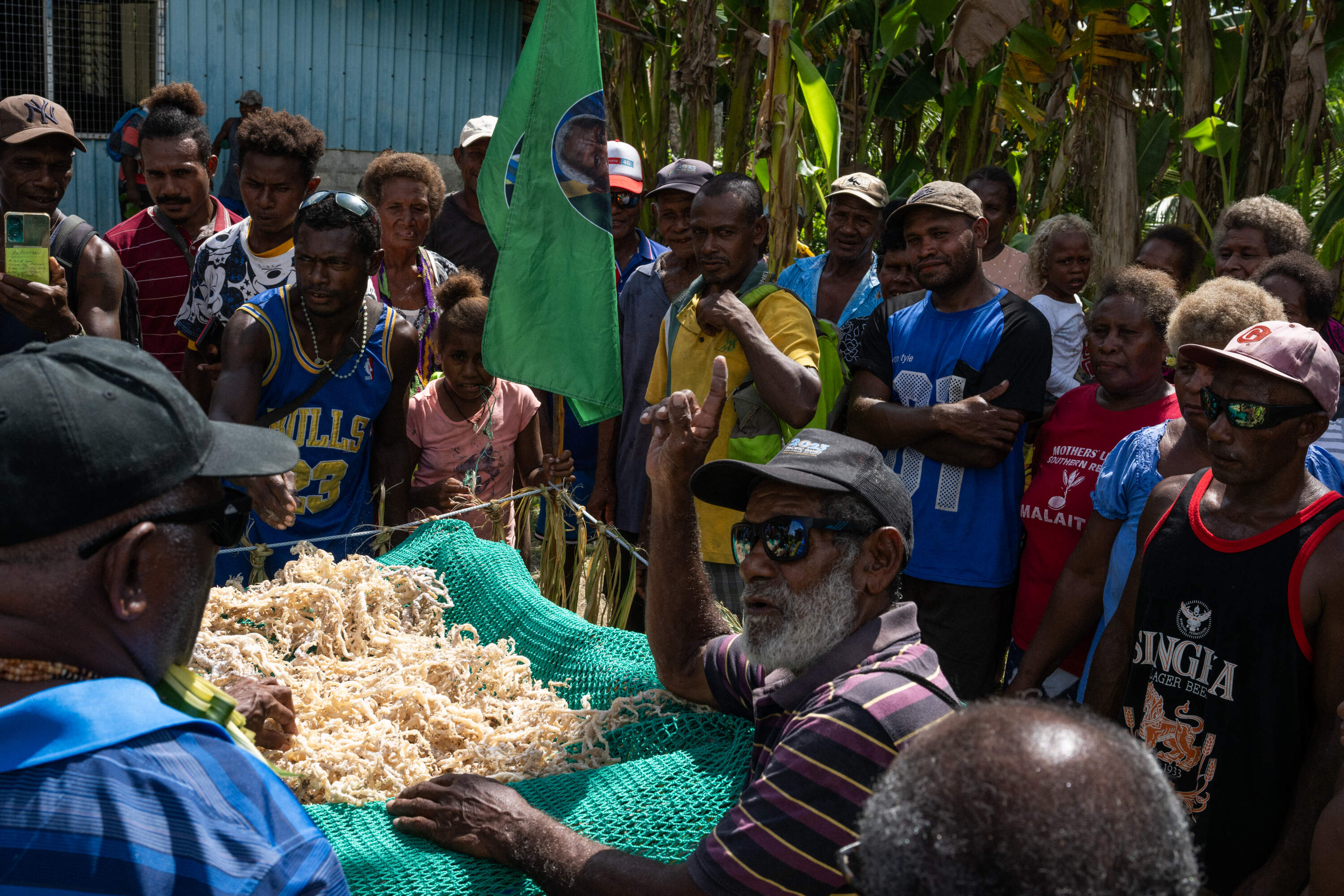
Fouele, South Malaita, Solomon Islands. Crowds gather on the mainland for a seaweed farming demonstration, where the different stages of drying and preparation are shown before the product is sold in Honiara. The growing industry has brought new income to the lagoon communities, reshaping daily life and reducing reliance on traditional practices like dolphin hunting.
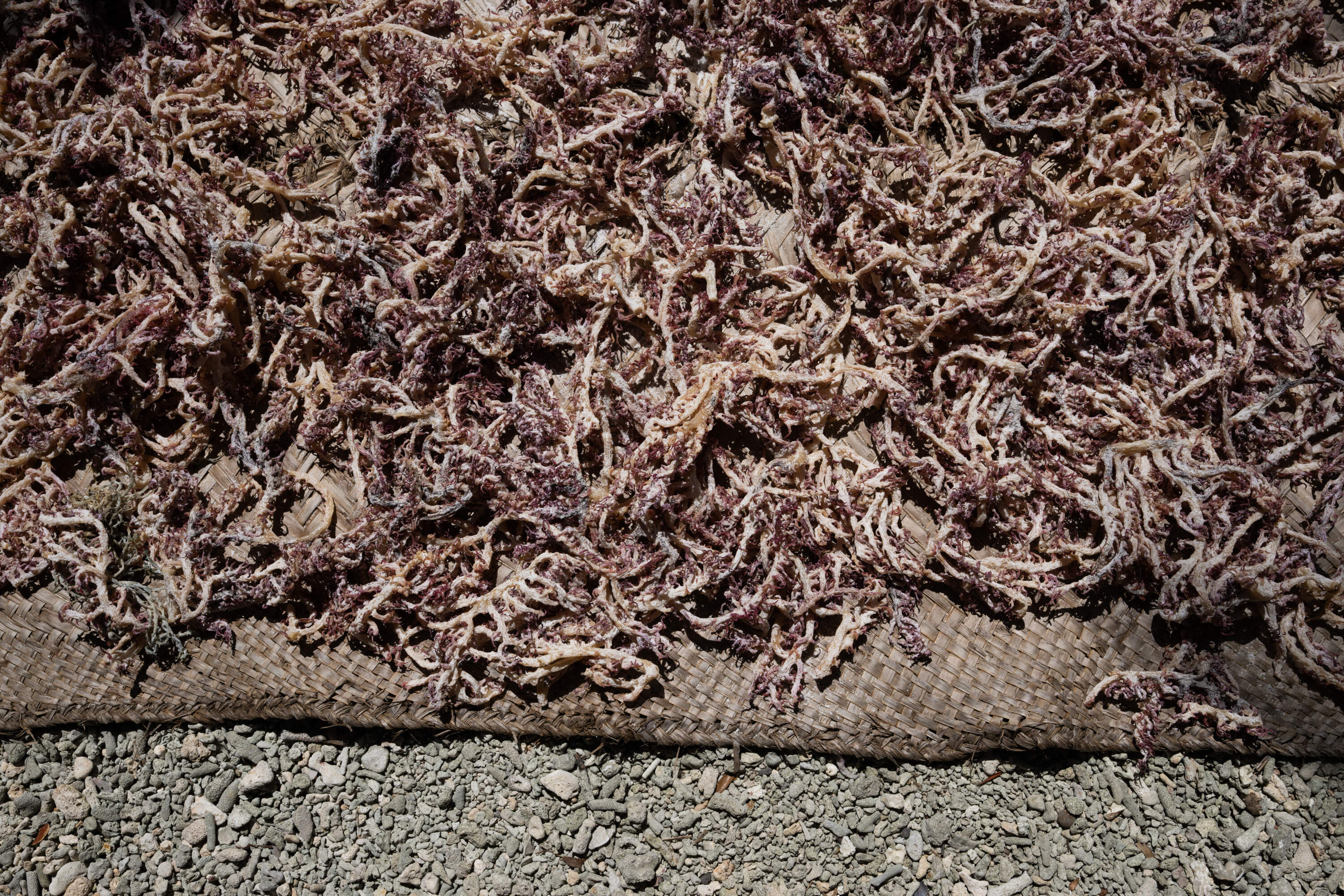
Fanalei Island, South Malaita, Solomon Islands. Freshly harvested seaweed is laid out to dry on a traditional woven mat, a step that prepares it for sale and transport to Honiara.
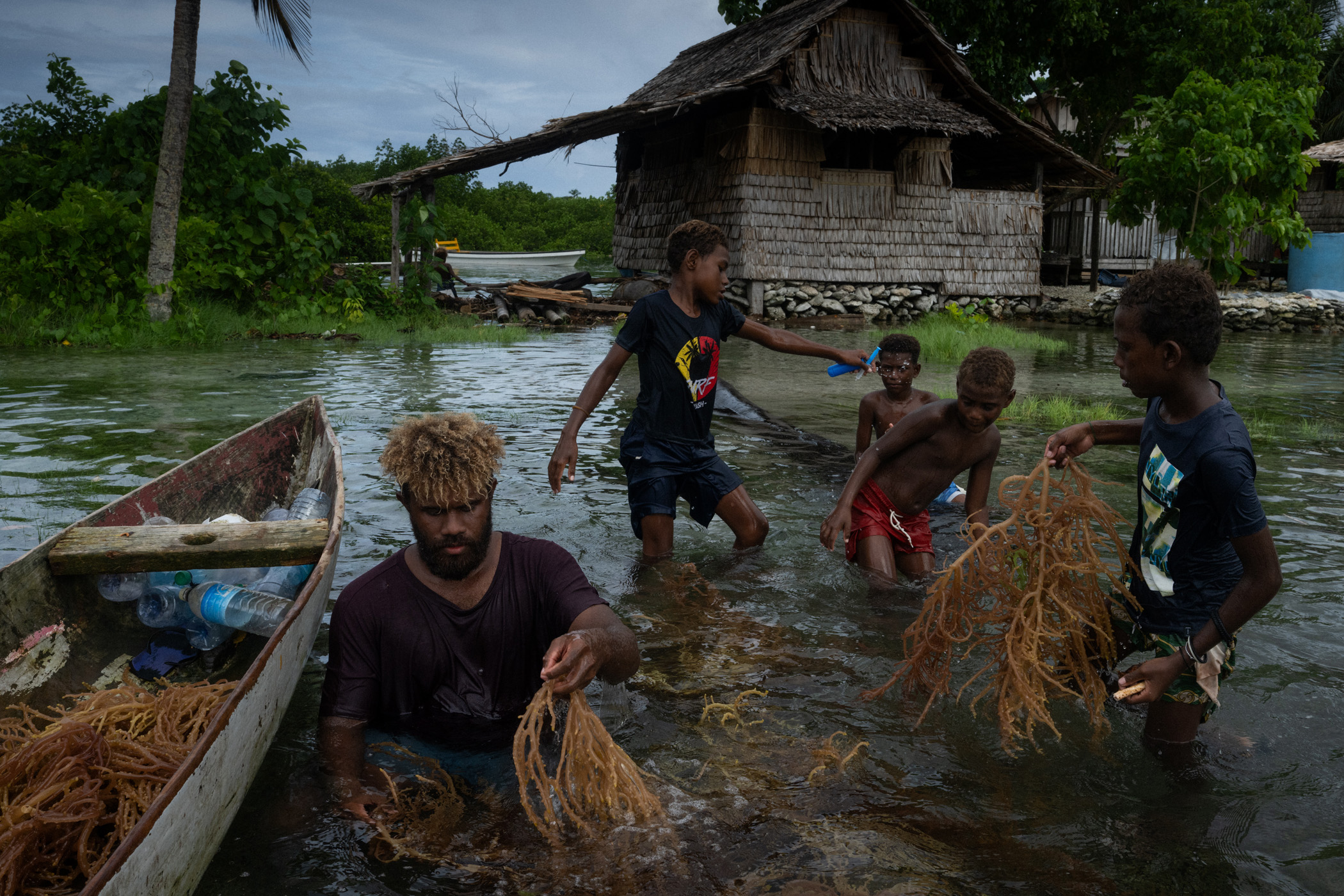
Fanalei Island, South Malaita, Solomon Islands A man and children harvesting seeweed which has recently been introduced to the area as a cash crop.
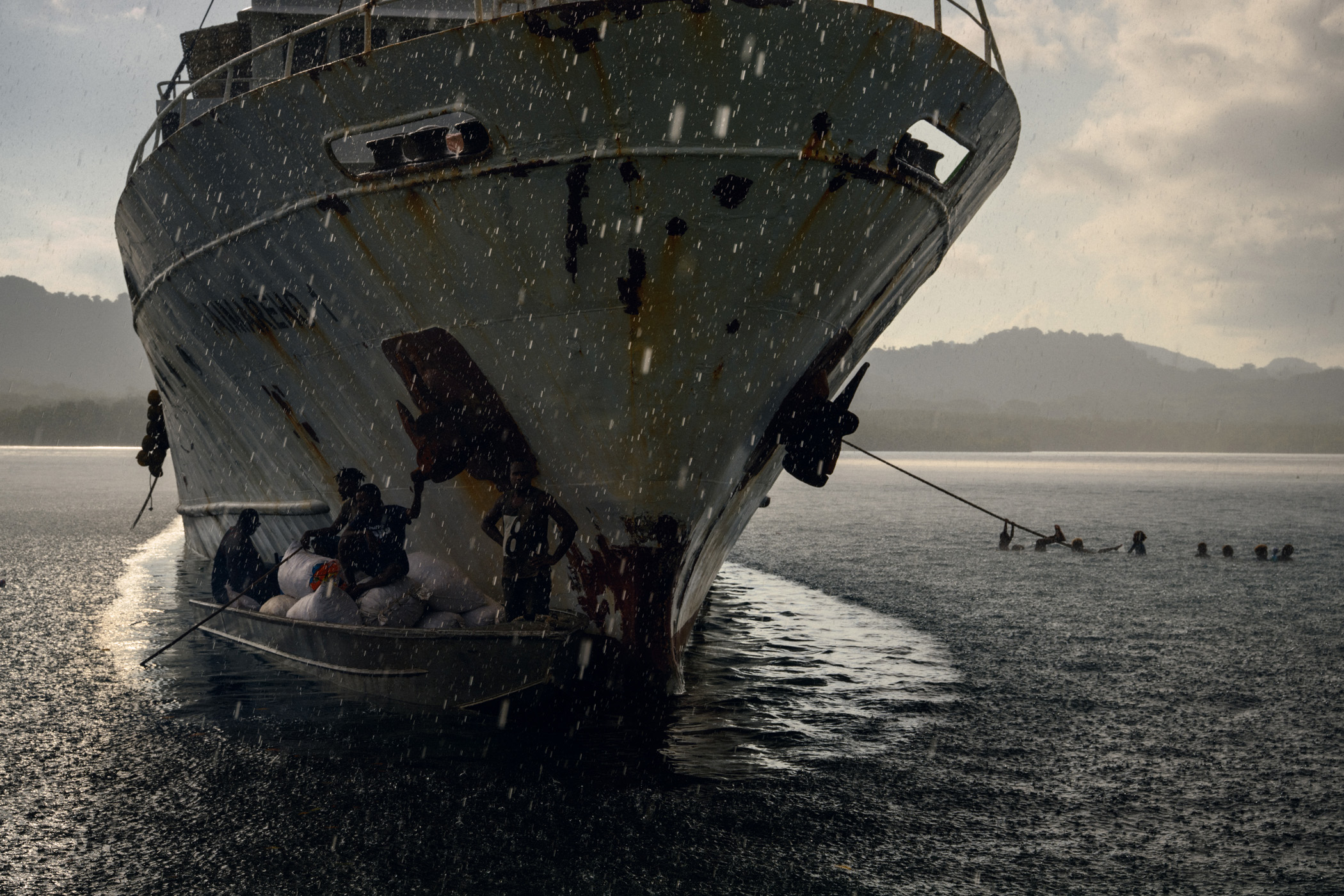
Fanalei Island, South Malaita, Solomon Islands. A small cargo boat, used to ferry goods between shore and ship, shelters beneath a supply vessel during an afternoon storm, protecting bags of dried seaweed from rain. The seaweed must remain dry before it can be sold. From Fanalei, it is transported to Honiara, where it eventually enters global pharmaceutical and cosmetic supply chains. Seaweed farming has brought the biggest shift to life in the lagoon in recent years, with individual families now owning their own plantations and earning $5 per kilogram locally or $7 if they cover transport costs to Honiara. As the industry grows, it is reshaping traditional livelihoods. More men are now dedicating their time to seaweed farming, leaving fewer available for dolphin hunting, a physically demanding and unpredictable practice. Over time, seaweed farming may further reduce reliance on dolphin hunting in the region. At a recent seaweed conference in Fouele, one woman noted the impact on daily life, saying that before seaweed farming, only seven families in the community could afford packets of sugar—now, this small luxury can be found in nearly every household.
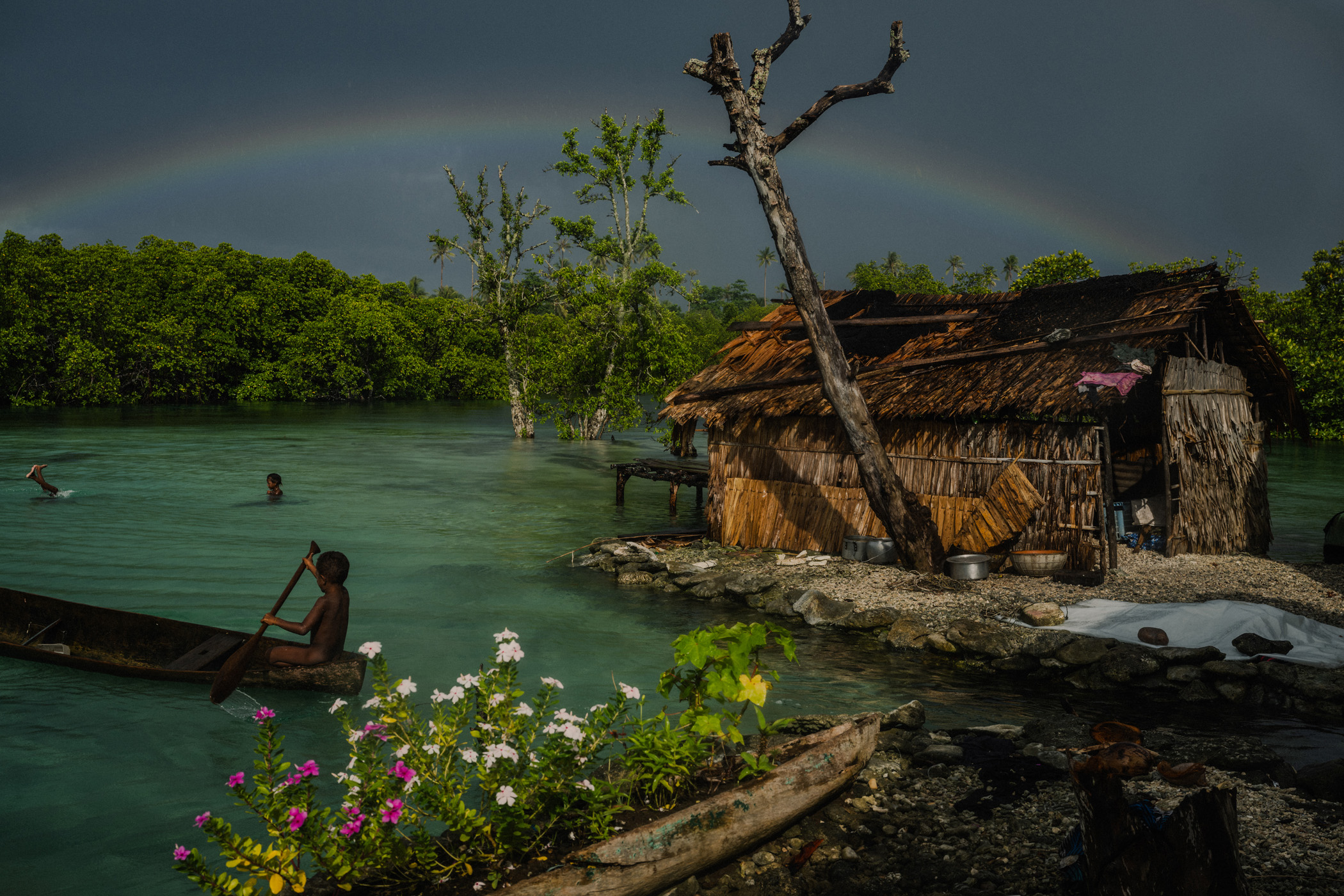
Fanalei Island, South Malaita, Solomon Islands. A man and children harvesting seeweed which has recently been introduced to the area as a cash crop.After a severe storm, children swim and play in canoes among houses surrounded by ocean. For Fanalei’s younger generation, childhood unfolds in a place where daily life continues under the constant threat of disappearance.